AMD's data center revenue grew 107% year over year last quarter. That's the number 24/7 Wall St and half of financial media are using to ask whether AMD is finally closing the AI gap on Nvidia. It's a fair question at the balance-sheet level — and almost the wrong one if you're deciding which GPU to put in your own PC for local AI this month. I ran the numbers on both: the enterprise story, and the RX 9070 XT vs RTX 5060 Ti benchmark. They don't point the same direction.
The enterprise numbers, in context
The Anthropic deal is the part of this story that's hardest to wave off: up to two gigawatts of AMD MI450 GPUs in AMD's Helios rack system, with the first gigawatt going live in 2027. That's a hyperscaler putting real infrastructure money behind AMD as a second source, which matters to companies that don't want to be entirely dependent on one vendor's supply chain. Nvidia, for its part, is leaning on Vera Rubin — claimed at up to 35x the inference throughput of Blackwell — and a pipeline it says is worth $1 trillion in Blackwell and Rubin revenue between 2025 and 2027. Read plainly, AMD is growing faster off a dramatically smaller base. That's a real second-source story. It is not the same claim as 'AMD caught up,' and the nvidia-q2-fy27-earnings-preview-ubs-2026 numbers make the scale gap obvious.
What that actually means for the GPU on your desk
None of the above tells you which card to buy for running models at home, so I went looking for the number that actually does: real tokens-per-second, on a consumer GPU, running a local model.
RX 9070 XT vs RTX 5060 Ti 16GB — local AI
AMD RX 9070 XT
$599–699
vs
Nvidia RTX 5060 Ti 16GB
$479–574
640 GB/s
Memory bandwidth
448 GB/s
~56 tok/s
Tokens/sec, real-world MoE test
~51–58 tok/s
304W
Power draw
180W
750–850W
PSU needed
650W
Improving, ~18-24mo behind
Software maturity (ROCm vs CUDA)
Mature, plug-and-play
XT wins 1wins 4 16GB
That 640 vs 448 GB/s gap is a real 43% bandwidth advantage for AMD, on paper. It should turn into a similarly large tokens-per-second lead. It doesn't, because raw bandwidth only matters if the software stack converts it into throughput efficiently — and CUDA's kernels are more tuned for that today than ROCm's. The result: the two cards land within single digits of each other, and on some runs the RTX 5060 Ti edges ahead despite the smaller number on its spec sheet. ROCm 7.2 did add Windows support for RDNA 4 cards, which is real progress, but some Ollama users on Windows still report needing to manually configure the HIP SDK and ROCBLAS library paths to get there — friction that CUDA on Nvidia simply doesn't have. Linux users see steadier AMD support, for what it's worth. This is the same install-and-go gap that best-gpu-for-local-ai-2026 already flagged for Nvidia's broader lineup.
Total cost of ownership, three years
Card price
RX 9070 XT
$599–699
RTX 5060 Ti 16GB
$479–574
PSU upgrade, if needed
RX 9070 XT
Often required
RTX 5060 Ti 16GB
Rarely required
Electricity, ~4 hrs/day over 3 years
RX 9070 XT
Higher by ~$162–487
RTX 5060 Ti 16GB
Baseline
Driver setup for local AI on Windows
RX 9070 XT
Manual HIP SDK config
RTX 5060 Ti 16GB
Install and go
RX 9070 XT
RTX 5060 Ti 16GB
Card price
$599–699
$479–574
PSU upgrade, if needed
Often required
Rarely required
Electricity, ~4 hrs/day over 3 years
Higher by ~$162–487
Baseline
Driver setup for local AI on Windows
Manual HIP SDK config
Install and go
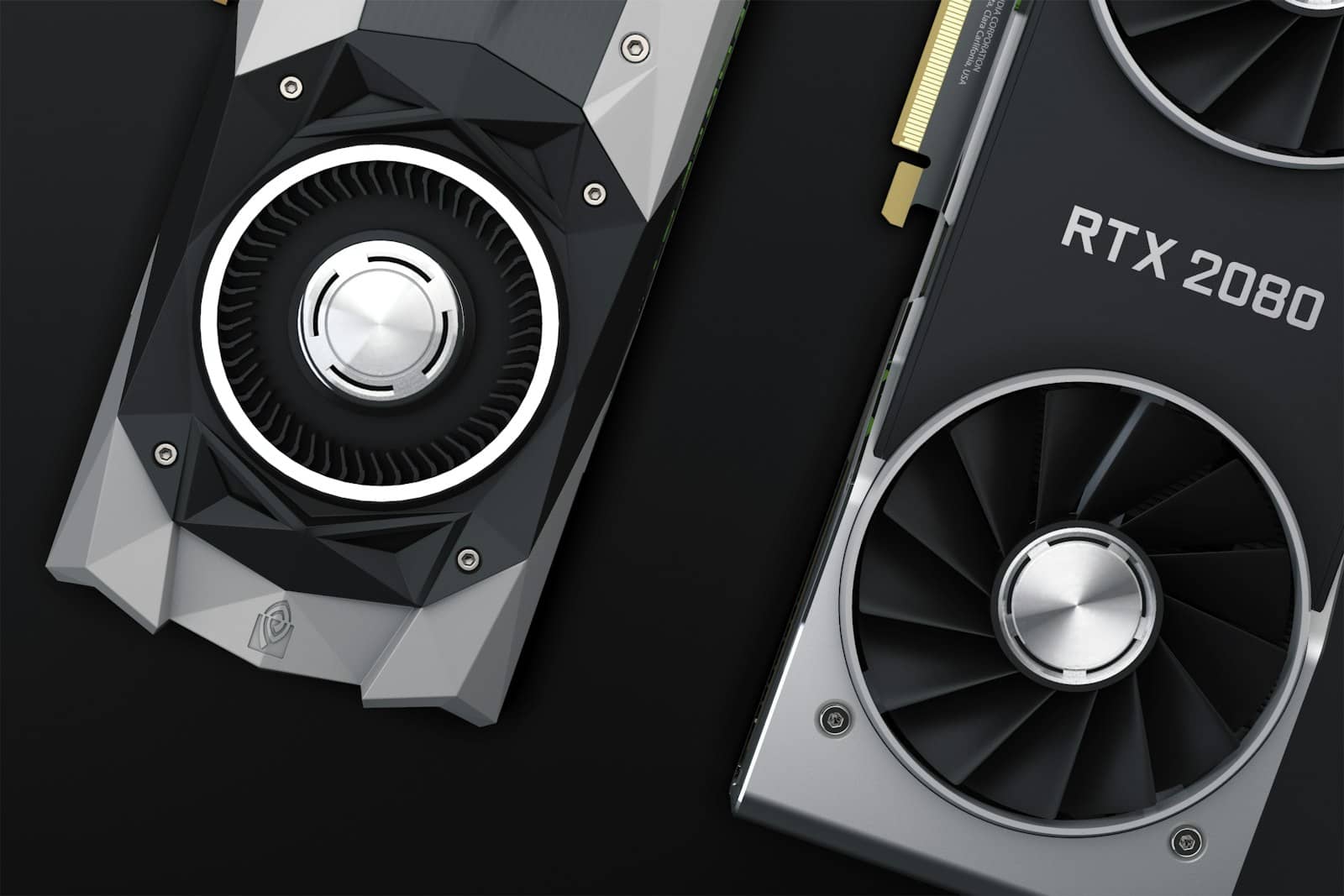
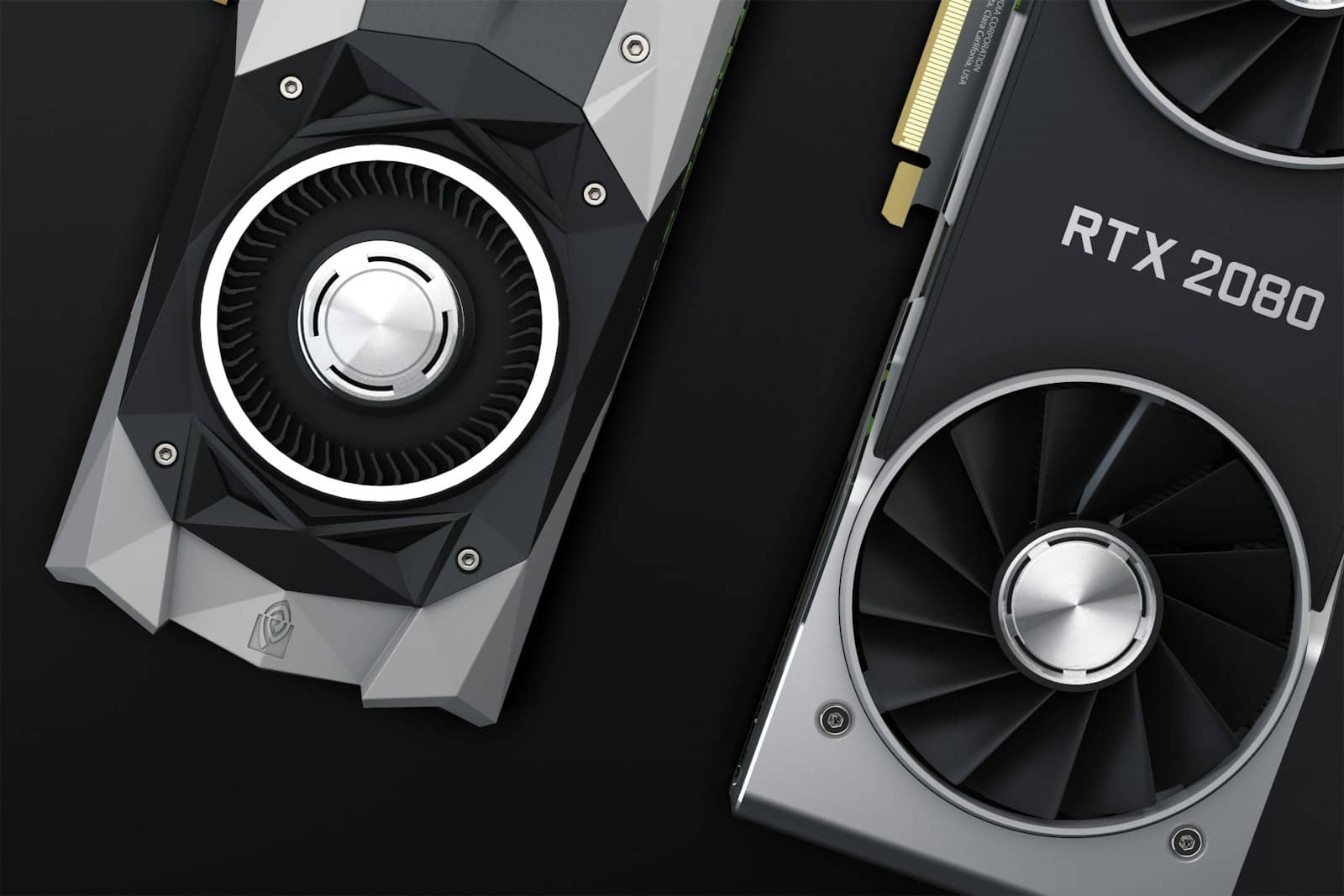
Nvidia's CUDA software stack still converts memory bandwidth into throughput more efficiently than AMD's ROCm, closing what should be a bigger gap. · Unsplash
6/ 10
Verdict
Verdict
AMD's data-center growth is real and its software gap is narrowing, but that trajectory hasn't yet reached the RX 9070 XT's local-AI benchmarks — it still trades blows with, rather than beats, Nvidia's cheaper RTX 5060 Ti 16GB. Buy AMD here for gaming value or Linux comfort, not because the earnings call told you AMD won AI.
Best for: Buyers deciding between a $500–700 AMD or Nvidia card specifically for local AI inference, not gaming
Is AMD actually catching up to Nvidia in AI?
In enterprise data centers, AMD's growth rate is outpacing Nvidia's off a much smaller base, and it now has real hyperscaler commitments like Anthropic's MI450 deal. In absolute scale, Nvidia's Data Center segment is still roughly 11 times larger.
Should I buy an RX 9070 XT or RTX 5060 Ti for local AI?
For most people, the RTX 5060 Ti 16GB — it's cheaper, uses less power, and CUDA support is plug-and-play. The RX 9070 XT is worth considering if you're on Linux and want the bandwidth headroom for bigger models later.
Why doesn't AMD's extra memory bandwidth show up in tokens per second?
Because throughput depends on how efficiently the software stack converts bandwidth into compute. CUDA's kernels are more optimized for this today than ROCm's, so the RX 9070 XT's 43% bandwidth advantage only becomes a 5–10% real-world gap.
Does ROCm work on Windows now?
Partially — ROCm 7.2 added Windows support for RDNA 4 cards, but some users still need to manually configure the HIP SDK and ROCBLAS library paths. Linux support remains more reliable.
Watch the enterprise numbers if you're trading the stocks — that's a real, ongoing story worth tracking. But if you're buying a GPU this week to run models at home, buy for the benchmark in front of you, not the earnings call behind it. And if even $479–574 feels steep right now, rtx-5070-900-worth-it-local-ai-2026 covers where this same logic breaks down at the next price tier up. Right now, the benchmark still says Nvidia, by a nose.