Nvidia's mid-range GPU is up 36% in two months — here's whether it still makes sense for running models at home, or if $900 changes the answer entirely.
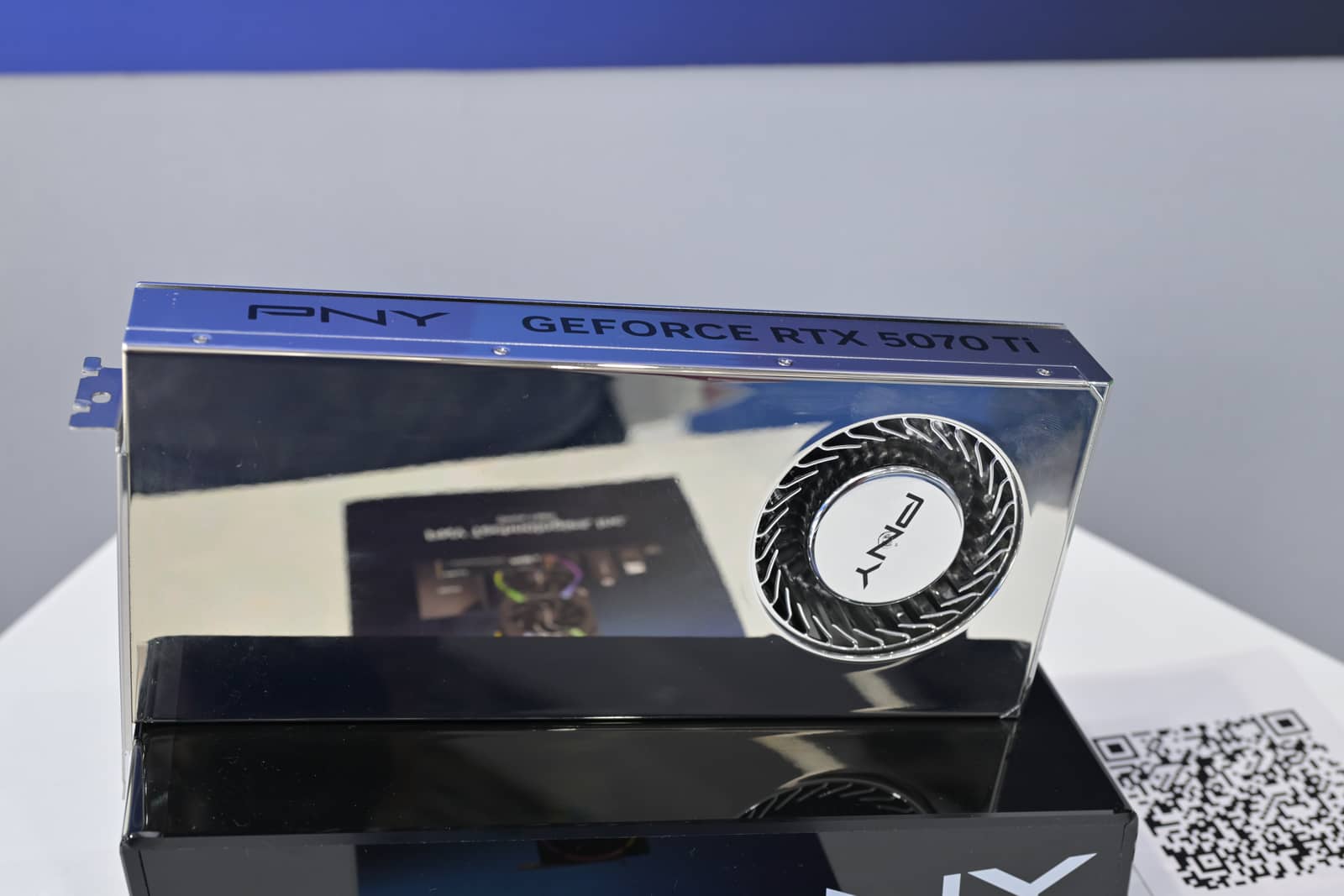
The RTX 5070's median US retail price hit $899.99 this month, according to Newegg listings tracked by Tom's Hardware — up from $659.99 in June. That's a 36% jump in roughly two months, on a card Nvidia launched at $549. I've been telling people the 5070 is the sane entry point into local AI for months. At $900, I had to actually redo the math instead of repeating myself.
Why the price moved, and it's mostly not Nvidia doing it on purpose
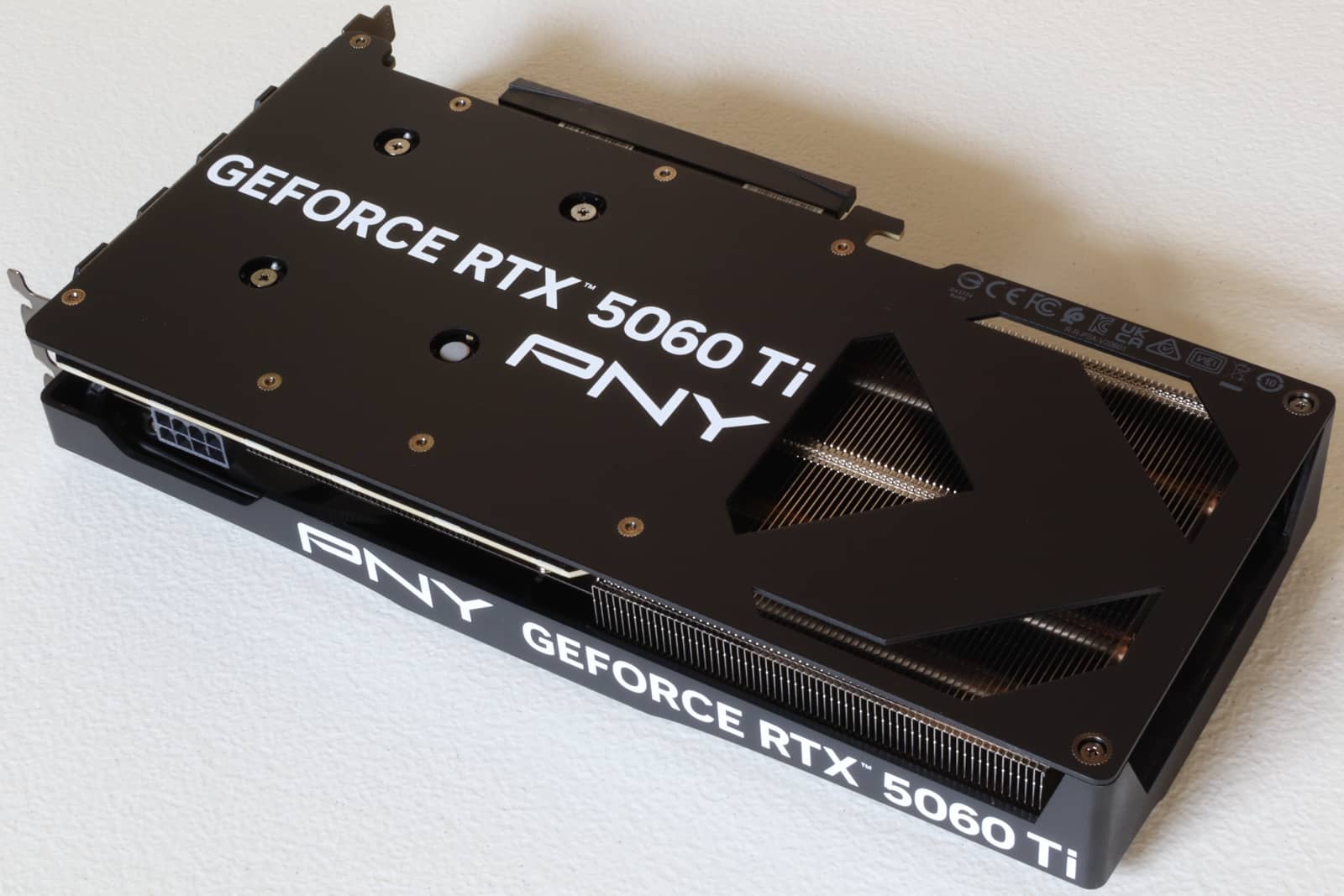
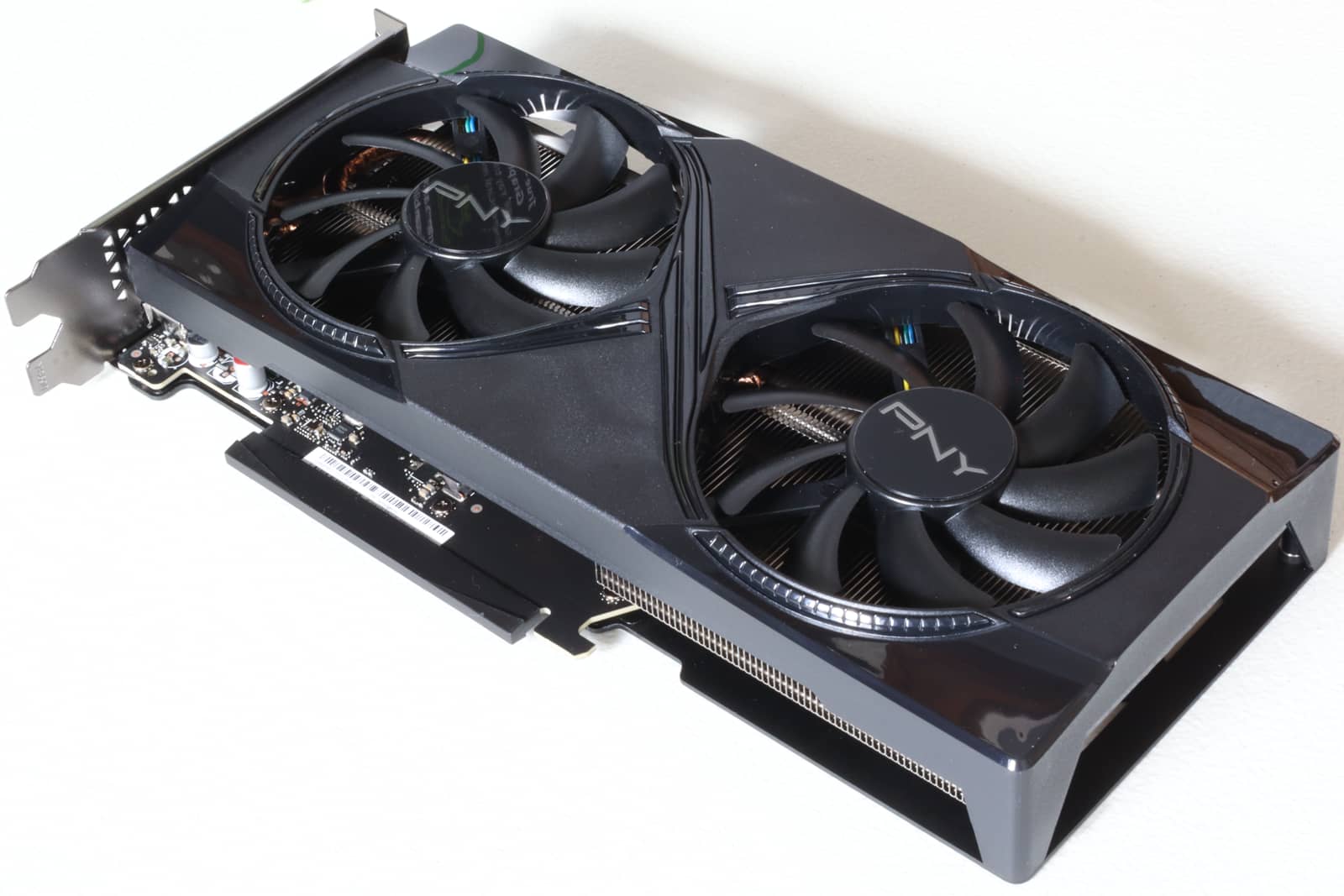
This isn't a scalper story, and it isn't really an Nvidia story either. TechPowerUp's tracking points to rising GDDR7 costs as the driver, with board partners passing along higher wafer, packaging and power-delivery costs on top. The RTX 5060 Ti 16GB actually got hit worse — up 39% to $804.99, about 88% above its original launch price — because it packs more memory chips per card, and memory is exactly what's short right now. The RTX 5090 only rose 9% this round, to roughly $4,700, but that's because it was already 135% over its $1,999 MSRP before this cycle even started. Guru3d's independent retailer check found the same pattern across a separate set of listings.
What $900 buys you today, card by card
RTX 5070
Card
12GB GDDR7
VRAM
672 GB/s
Bandwidth
$899.99
Aug 2026 median price
+64%
RTX 5060 Ti 16GB
Card
16GB GDDR7
VRAM
448 GB/s
Bandwidth
$804.99
Aug 2026 median price
+88%
Arc B580
Card
12GB GDDR6
VRAM
456 GB/s
Bandwidth
~$300
Aug 2026 median price
~+20%
RX 9060 XT 16GB
Card
16GB GDDR6
VRAM
320 GB/s
Bandwidth
~$423
Aug 2026 median price
~+21%
Card
VRAM
Bandwidth
Aug 2026 median price
vs. launch MSRP
RTX 5070
12GB GDDR7
672 GB/s
$899.99
+64%
RTX 5060 Ti 16GB
16GB GDDR7
448 GB/s
$804.99
+88%
Arc B580
12GB GDDR6
456 GB/s
~$300
~+20%
RX 9060 XT 16GB
16GB GDDR6
320 GB/s
~$423
~+21%
Line them up and the RTX 5070 is no longer the obvious pick it was in June. It still has the fastest memory bandwidth of this group by a wide margin, and Nvidia's CUDA stack is still the path of least resistance for anything you copy off Hugging Face. But you're now paying a 64% premium over MSRP for that convenience, while the 5060 Ti — more VRAM, slower bandwidth — is paying an even bigger one. The two budget outsiders, Arc B580 and RX 9060 XT, are both sitting closer to 20% over their launch prices. That gap is basically the whole story.
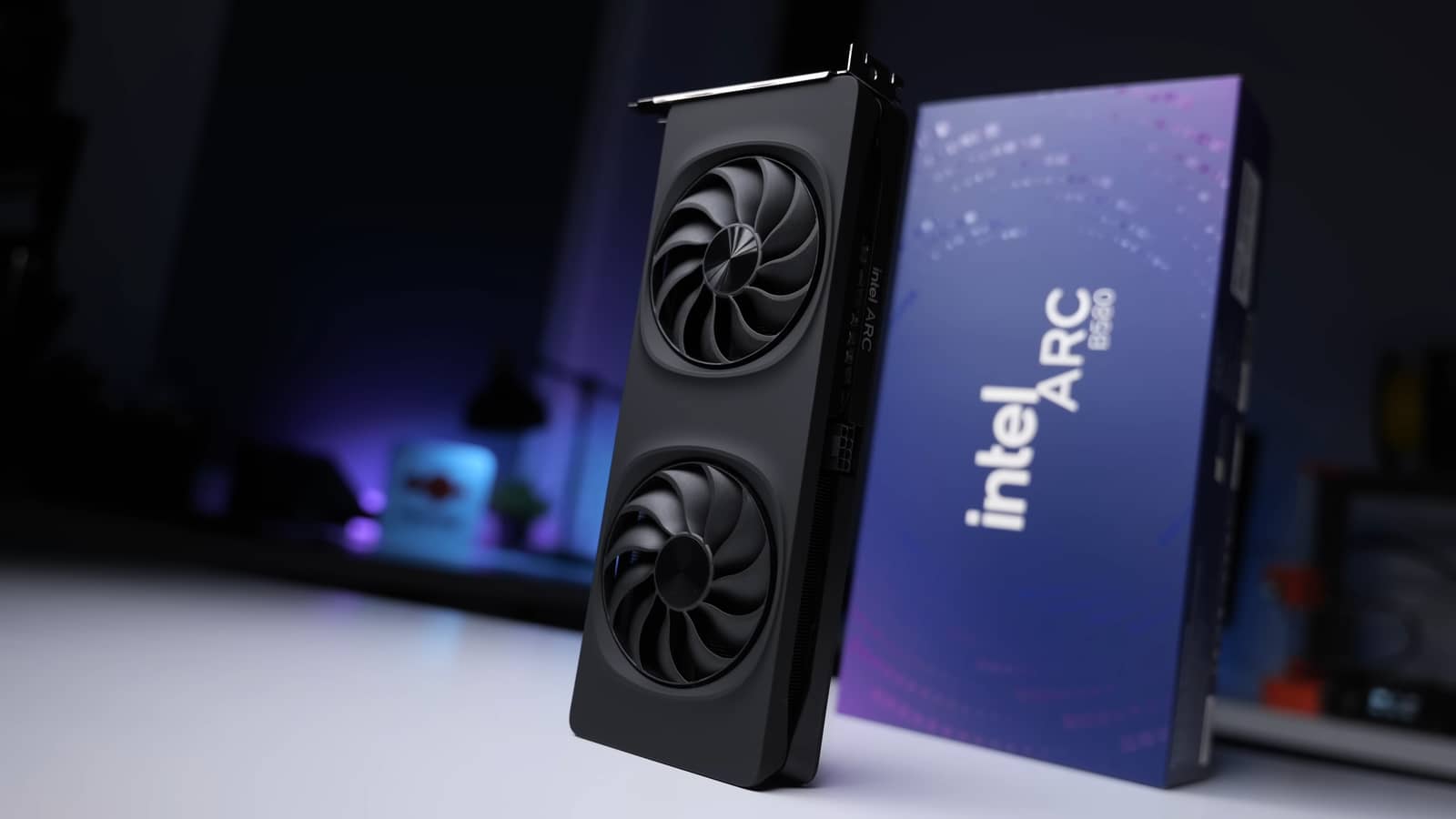
GDDR7 memory chip costs are the primary driver behind the August 2026 GPU price spike, not scalping. · Unsplash
What 12GB and 672 GB/s actually get you in 2026
~70-80 tok/s
Llama 3.1 8B, Q4_K_M
Comfortable, fully on-GPU
~53-80 tok/s
Qwen3.5 9B, Q4
Depends on context length
~7 tok/s
14B models, Q4
Spills into CPU offload — avoid
12GB
VRAM ceiling
13B+ dense models need a 16GB card instead
None of that changed with the price. The 5070 still does about 70 to 80 tokens per second on Llama 3.1 8B at Q4_K_M, and 50-80 tok/s on denser 9B models like Qwen3.5 — genuinely fast, genuinely usable for daily coding-assistant or chatbot work. What changes is the price you're paying per token of that speed. Push past 12GB — a 14B model, a longer context window, an image model bolted on top — and you're offloading to system RAM, and the 5070 becomes a 7 tokens-per-second card instead of an 80 tokens-per-second one. 12GB was already the tight end of comfortable before the price jumped; now you're paying luxury pricing for a card with a real ceiling.
What I'd actually buy at today's prices
Price per GB of VRAM, August 2026
RTX 5070$75.00/GB
$899.99 ÷ 12GB
RTX 5060 Ti 16GB$50.31/GB
$804.99 ÷ 16GB
RX 9060 XT 16GB$26.44/GB
~$423 ÷ 16GB
Arc B580~$25.00/GB
~$300 ÷ 12GB
That math is blunt on purpose, and bandwidth isn't in it — the 5070's 672 GB/s beats the Arc B580's 456 GB/s by a real margin, so this isn't "just buy the cheapest GB." But if what you actually want is headroom to load a 14B or 20B model without falling off a cliff, the RTX 5060 Ti 16GB is the more defensible Nvidia buy right now even at $805, because you're buying VRAM, not raw throughput. And if you can live without Nvidia's CUDA tooling, both the Arc B580 and the RX 9060 XT are pricing far better than either Nvidia card, in a market where everything just got more expensive than it was in June.
6/ 10
Verdict
RTX 5070 at $899.99
Still a genuinely fast local-AI card — 12GB and 672 GB/s aren't going anywhere. But at a 64% markup over its $549 MSRP, it's no longer the default value pick. Buy it only if you specifically need CUDA today; otherwise the 5060 Ti's extra VRAM or the Arc B580's price makes more sense right now.
Best for: Buyers who need CUDA compatibility today and can't wait out the memory shortage
RTX 5070 for local AI — quick answers
Is the RTX 5070 still worth it for local AI at $900?
Only if you need it immediately and CUDA compatibility matters more than price. At $900 you're paying 64% over Nvidia's $549 MSRP for hardware that hasn't changed — the same 12GB VRAM ceiling and 672 GB/s bandwidth it had in June.
Will RTX 5070 prices come back down?
Nobody can promise that. TechPowerUp's tracking shows the entire RTX 50 lineup moving up together through August 2026, driven by GDDR7 memory costs rather than a one-card issue, so there's no clear signal the 5070 reverses first.
What's a better local-AI GPU than the RTX 5070 right now?
For raw value per dollar of VRAM, the RX 9060 XT 16GB or Intel's Arc B580 both price meaningfully better in August 2026. For staying on Nvidia's CUDA stack with more headroom, the RTX 5060 Ti 16GB is the more defensible pick despite its own price jump.
Can the RTX 5070's 12GB run a 14B model?
Not comfortably. At Q4 quantization a 14B model spills past 12GB with any real context window, forcing CPU offload that drops throughput to roughly 7 tokens per second — a big step down from the 70-80 tok/s you get on 7-9B models that fit fully in VRAM.
I don't think $900 is a permanent price, but I also don't think anyone honestly knows when it stops — the DRAM and GDDR7 shortage driving this is a supply problem, not a marketing one, and those don't resolve on a predictable schedule. If your local-AI build can wait a month, wait. If it can't, buy based on what you're actually running, not what card sounded right back when it cost $650.