You can teach an open model your own style, knowledge, or task on a gaming GPU, in under an hour. The tool is Unsloth, the method is QLoRA, and it fits in as little as 8GB.
Yes — and it's more accessible than most people realize. With QLoRA (a memory-efficient fine-tuning method) and Unsloth (a tool optimized for consumer hardware), you can fine-tune an open model like Llama, Qwen3, or Gemma on a single consumer GPU with as little as 8GB of VRAM, in under an hour, using just 500-2,000 examples. Fine-tuning teaches a model your specific style, domain knowledge, or task — turning a general model into one that's genuinely good at your thing. Here's how to do it locally, the tools, and the honest requirements.
Why fine-tuning fits on a gaming GPU now
The breakthrough is not retraining the whole model — that would need a data center. Instead, LoRA (Low-Rank Adaptation) freezes the original model and trains a small set of new parameters (an 'adapter') on top, which is dramatically cheaper. QLoRA goes further by quantizing the base model to 4-bit while training the adapter, cutting VRAM again: full fine-tuning of a 7B model needs 28GB+, but QLoRA brings that down to around 8GB. That's the difference between needing rented cloud GPUs and using the RTX 3060 12GB you already have. On top of that, Unsloth is optimized specifically for single-GPU consumer training and runs 2-5x faster than standard Hugging Face training, so a real fine-tune finishes in under an hour. The catch is single-GPU only for Unsloth's free version — for multi-GPU you'd use Axolotl — but for most people, one card is plenty.
Local fine-tuning at a glance (2026)
Method
Choice
QLoRA (4-bit base + LoRA adapter), rank 16
Tool (single GPU)
Choice
Unsloth — fast, consumer-optimized
VRAM
Choice
8-16GB (8B model in <10GB)
Data
Choice
500-2,000 examples, ChatML format
Base model
Choice
Llama 3 / Qwen3 / Gemma / Mistral
Choice
Recommendation
Method
QLoRA (4-bit base + LoRA adapter), rank 16
Tool (single GPU)
Unsloth — fast, consumer-optimized
VRAM
8-16GB (8B model in <10GB)
Data
500-2,000 examples, ChatML format
Base model
Llama 3 / Qwen3 / Gemma / Mistral
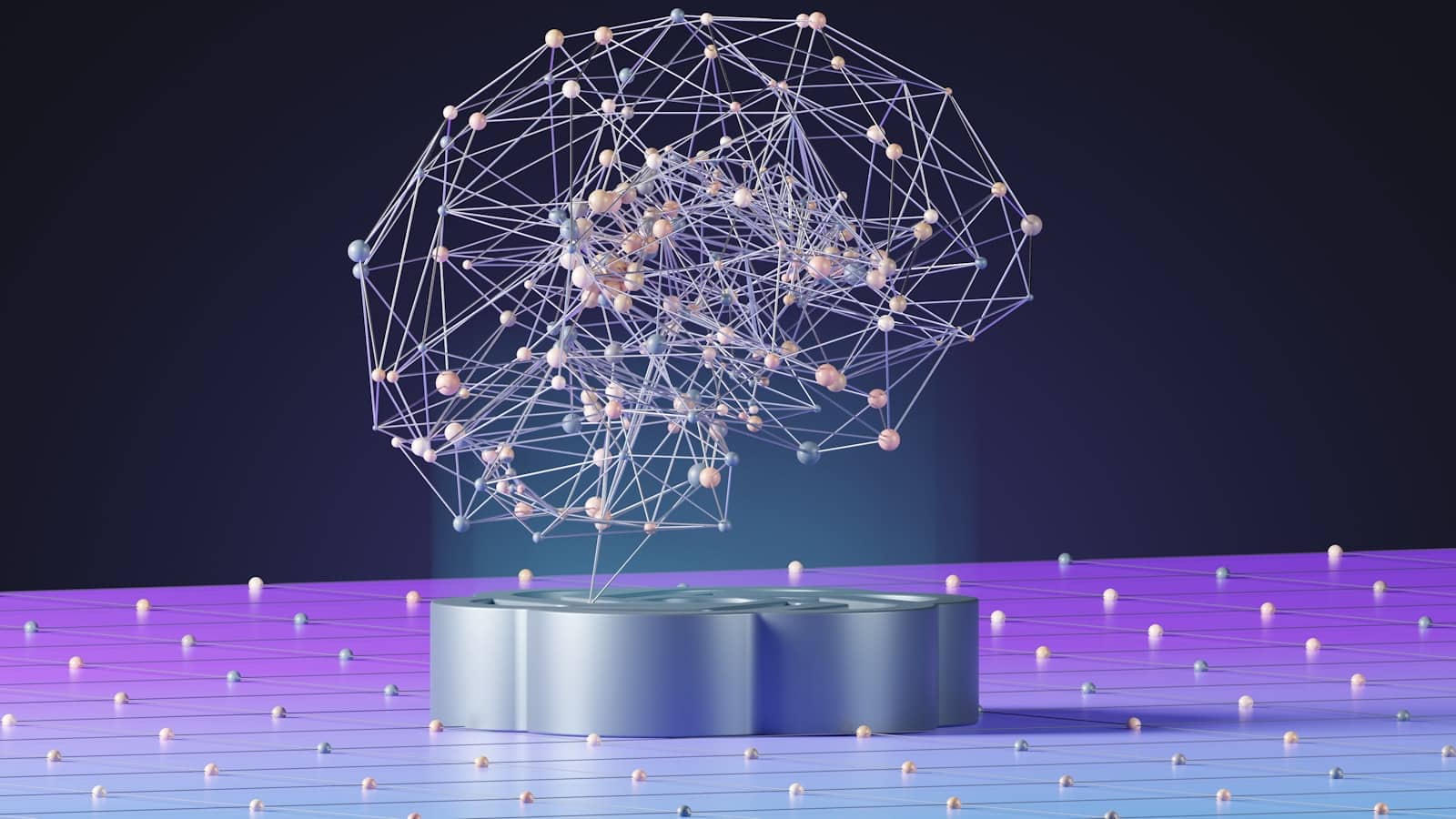
QLoRA + Unsloth fine-tunes an 8B model in under 10GB of VRAM — no data center required. · Unsplash
The honest workflow
Here's what fine-tuning locally actually involves. First, prepare your data — this is the part that matters most. You need 500-2,000 high-quality examples of the behavior you want, formatted as conversations (ChatML format: system/user/assistant turns). Quality beats quantity; a few hundred clean, consistent examples beat thousands of messy ones. Second, pick a base model and method — QLoRA with rank 16 on top of Llama 3, Qwen3, Gemma, or Mistral is the reliable default. Third, run Unsloth — its notebooks make the actual training close to fill-in-the-blanks, targeting all linear layers for the best quality/cost trade-off, and it finishes in under an hour on a consumer GPU. Fourth, test and iterate. The honest truth: fine-tuning is powerful but not magic — it's best for teaching style, format, or a narrow task, not for cramming in new factual knowledge (for that, local RAG is usually the better tool). Used for the right job, though, a local fine-tune on your own data is genuinely transformative — and it's yours, private, forever.
Quick answers
Can I fine-tune an LLM on a consumer GPU?
Yes. Using QLoRA (a memory-efficient method that quantizes the base model to 4-bit and trains a small LoRA adapter) with a tool like Unsloth, you can fine-tune an open model such as Llama 3, Qwen3, or Gemma on a single consumer GPU with as little as 8GB of VRAM. An 8B model can be fine-tuned in under 10GB with the right settings, and training typically finishes in under an hour with 500-2,000 examples. You don't need a data center — a gaming GPU like an RTX 3060 12GB works.
What is the difference between LoRA and QLoRA?
LoRA (Low-Rank Adaptation) freezes the original model and trains only a small set of new 'adapter' parameters on top, which is far cheaper than retraining the whole model. QLoRA adds quantization: it loads the base model in 4-bit while training the LoRA adapter, cutting VRAM use further. Full fine-tuning of a 7B model needs 28GB+, but QLoRA reduces that to around 8GB. QLoRA is the go-to for local fine-tuning on consumer GPUs because it delivers near-full-quality results while fitting in modest VRAM.
Is fine-tuning or RAG better for adding my own knowledge?
For adding factual knowledge (your documents, data, or reference material), local RAG is usually better — it retrieves your content at query time so the AI answers from it directly, and it's easy to update. Fine-tuning is better for teaching a model style, tone, format, or a specific task behavior, rather than facts. A common mistake is fine-tuning to inject knowledge, which works poorly; use RAG for that. Many advanced setups combine both: fine-tune for behavior, and use RAG for up-to-date knowledge.
Fine-tuning on your own data now fits a single gaming GPU — QLoRA + Unsloth, 8GB, under an hour. For adding knowledge instead of behavior, local RAG is often the better tool. See the cost of fine-tuning and size a card in the VRAM calculator. Source: Unsloth and Codersera.