Product photos, UGC ads, video ads and designs — generated for a fraction of a studio, agency or creator. The complete map of AI for e-commerce in 2026, with a deep guide behind each use case.
This post contains affiliate links. If you buy through them, Aliteq may earn a commission — at no extra cost to you. Prices verified at publish time.
Share
AI collapsed the cost of the three most expensive parts of e-commerce: photos, UGC and ad creative. Generated with Higgsfield. · Generated with Higgsfield
If you sell anything online, your real bottleneck isn't the product — it's creative. Every ad test needs a shot, a script, a spokesperson, an edit, and each one used to cost money and days. That's the wall AI just knocked down. This is the map: what AI can actually do for an e-commerce brand in 2026, which tool for which job, and the honest limits — with a deeper how-to guide behind each one.
$150+/clip
Old UGC creator
one reusable AI spokesperson replaces it
20
Ad angles you can test
for the old cost of one
~70% drafted
Video ad from a link
you trim the final 30%
Product photos
Start here
cheapest, fastest ROI
1. AI product photography
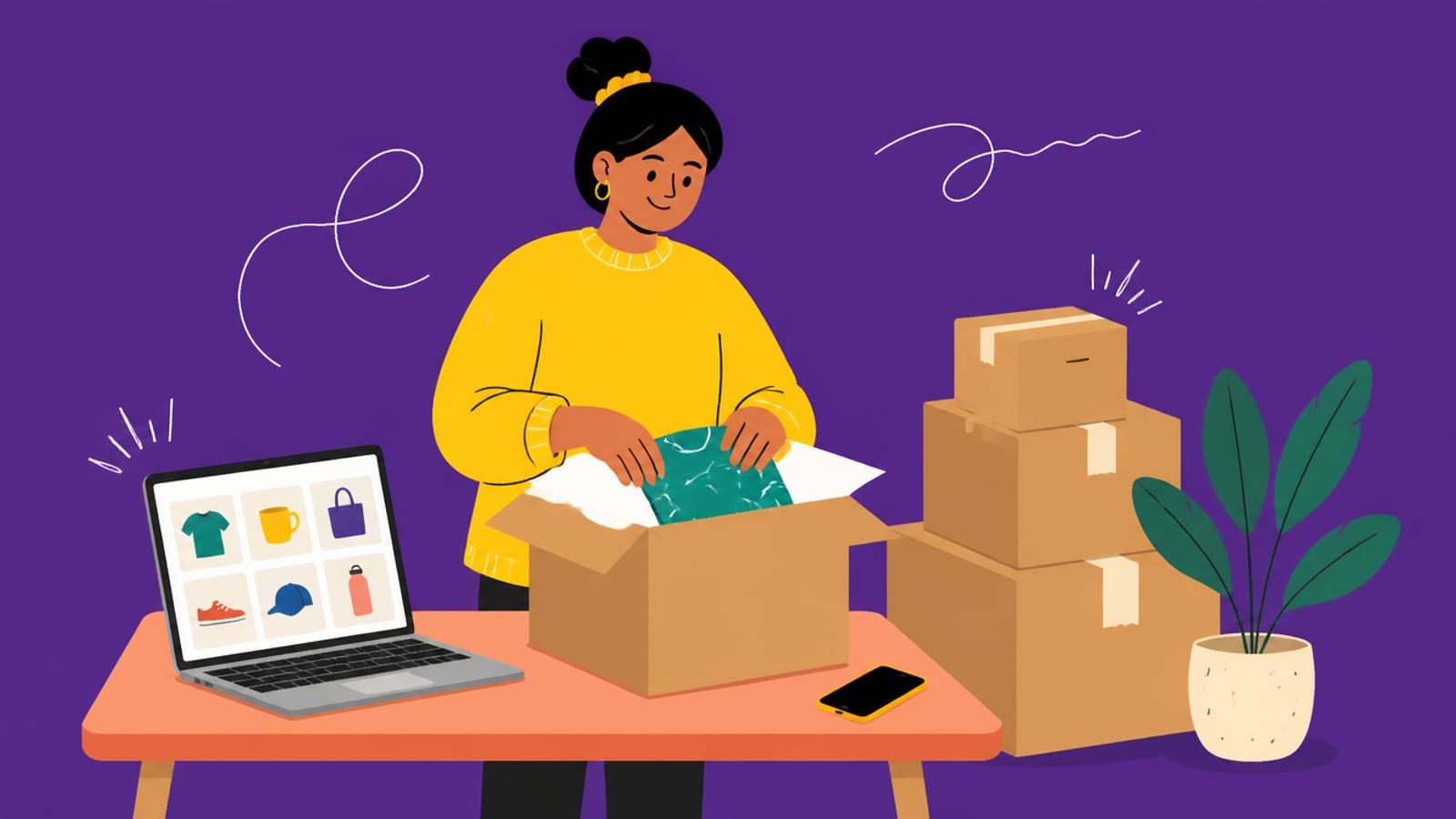
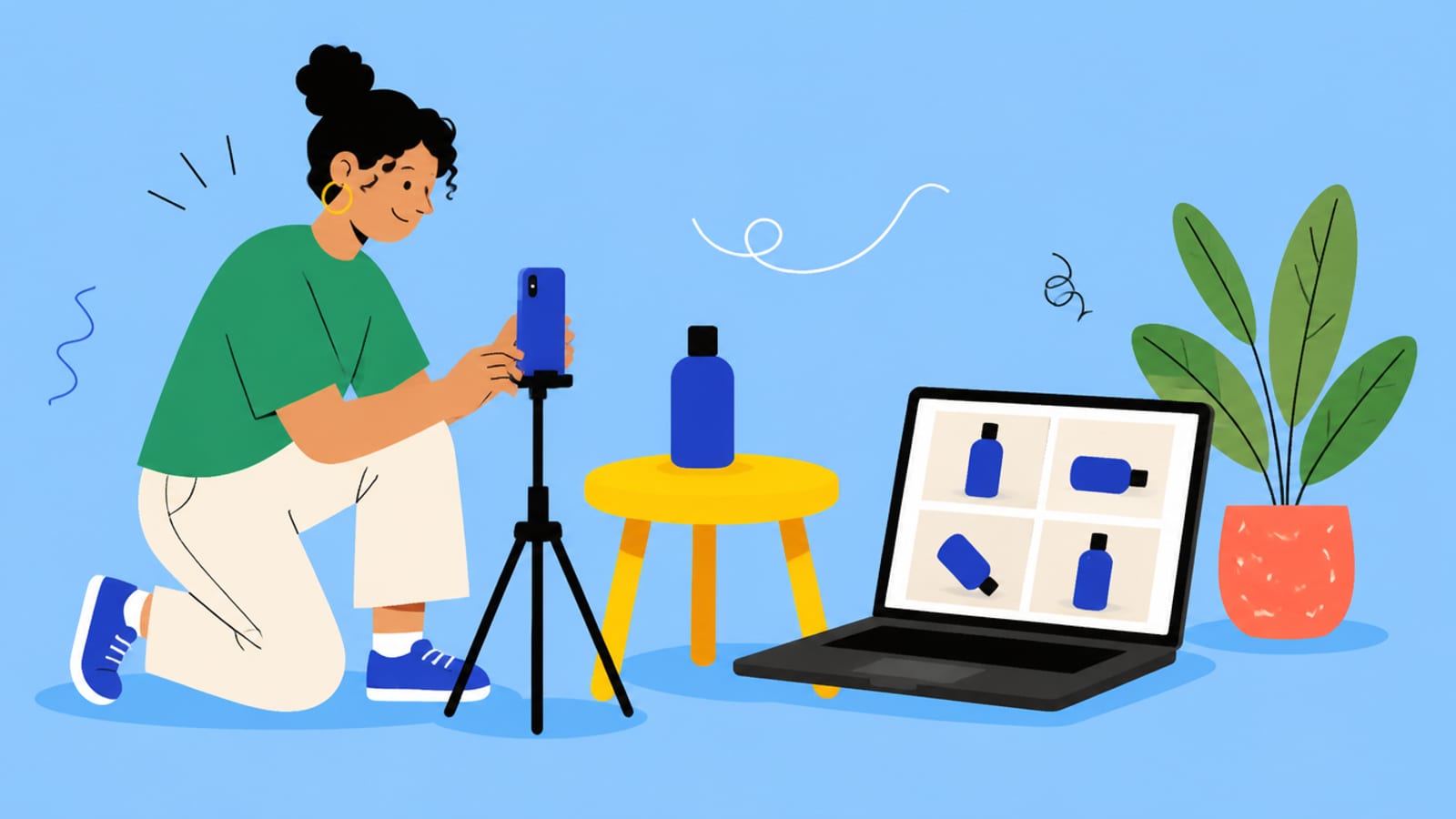
The fastest win. Modern image models re-light a single flat product photo, drop it into any scene, and match a season or mood — the work a product photographer bills a day rate for. Shoot your product once on a plain background, then generate the variations: white-background PDP shot, lifestyle-on-a-counter, holiday version, detail close-up. One source photo becomes a month of feed content. The catch is fine text and logos on labels — check every generation and composite your real label back on when needed. Full workflow: how e-commerce brands make AI product ads.
2. UGC ads with a reusable AI spokesperson
UGC — the authentic 'real person talking to their phone about your product' ad — is the highest-converting format on TikTok and Reels, and it used to be the most annoying to source. The AI version: create one consistent character (a persistent identity), and you own a spokesperson who never reschedules and shows up with the same face in every video. Build her once, spin up 30 hook variations by Friday. The hard part is consistency — same face across shoots — which is the whole craft: how to create a consistent AI influencer.
3. AI video ads: product link in, TikTok ad out
This is the one that feels like cheating: paste a product or landing-page URL and a marketing-studio flow drafts a full vertical video ad — hook, product beats, captions — in the ratios TikTok, Reels and Shorts want, routing the strongest video models (Sora 2, Veo 3.1, Kling 3.0) so you reach for the right one without six subscriptions. The auto-draft gets you ~70% there fast; you still trim it and pick the best six seconds for the hook. Which model wins for which shot: best AI video generators in 2026, compared.
4. The product-specific playbooks
The same tools change the math for specific store types. Physical-goods sellers on Etsy or Amazon lean on print-on-demand and digital products; local and service businesses use AI for promo content. If one of these is you, the deeper guide has the exact workflow and the honest catch (platform AI-disclosure rules matter — several now require it):
For static product shots, almost never — those have been retouched for decades. For UGC and video the tells are hands, teeth and fast lip-sync; keep shots simple. Note that some ad platforms now require you to disclose AI-generated or AI-altered content, so check the current policy where you run it.
Do I need design or technical skills?
No. The hard part is taste — knowing a good hook and a clean shot from a bad one. Generation is 'describe it, feed your product, pick the best result.' If you can write a decent product description, you can do this.
Which AI tool should an e-commerce seller start with?
An all-in-one suite is the sensible starting point because product images, a reusable UGC character and video ads all live in one place — you avoid stitching together five subscriptions. We point at Higgsfield for that specific workflow; see the linked guides for the exact steps.
Is AI product photography allowed on Amazon and Shopify?
Yes for marketing and lifestyle imagery. The rule that matters is accuracy: your main listing image must honestly represent the actual product — don't use AI to add features the product doesn't have. Use AI for scene, lighting and mood, not to misrepresent.
Higgsfield
Sponsored
Generate more scenes and variations as your catalogue grows.
For the bigger picture beyond storefronts — every way people are using AI to create and earn — start at the AI Studio hub. Platform specifics change fast, so check each platform's current AI-content policy (for example, Amazon Seller Central and the FTC's advertising guidance) before you scale.