The store was never the hard part — the photos, the ads and the budget to test were. AI collapsed all three. Here's the honest 2026 playbook: the real money models, the exact AI stack, and where it still needs a human.
This post contains affiliate links. If you buy through them, Aliteq may earn a commission — at no extra cost to you. Prices verified at publish time.
Share
Here's the honest state of Shopify in 2026: the platform isn't the hard part anymore, and it hasn't been for a while. Standing up a store is a weekend. The thing that used to actually gate people — making the store look like a real brand and producing enough ad creative to find a winning product — is the part that just collapsed in cost. That's the shift. The money in e-commerce was never in building the store; it was in the photos, the ads, and the testing. AI took the three most expensive parts of that and made them nearly free.
I run this workflow, so this is a map, not a pitch: what changed, the real ways people make money on Shopify now, the exact AI stack that replaces the studio and the agency, and an honest cost/time breakdown — including where it still needs a human. It is easier than it was two years ago. It is not a button that prints money, and anyone telling you otherwise is selling a course.
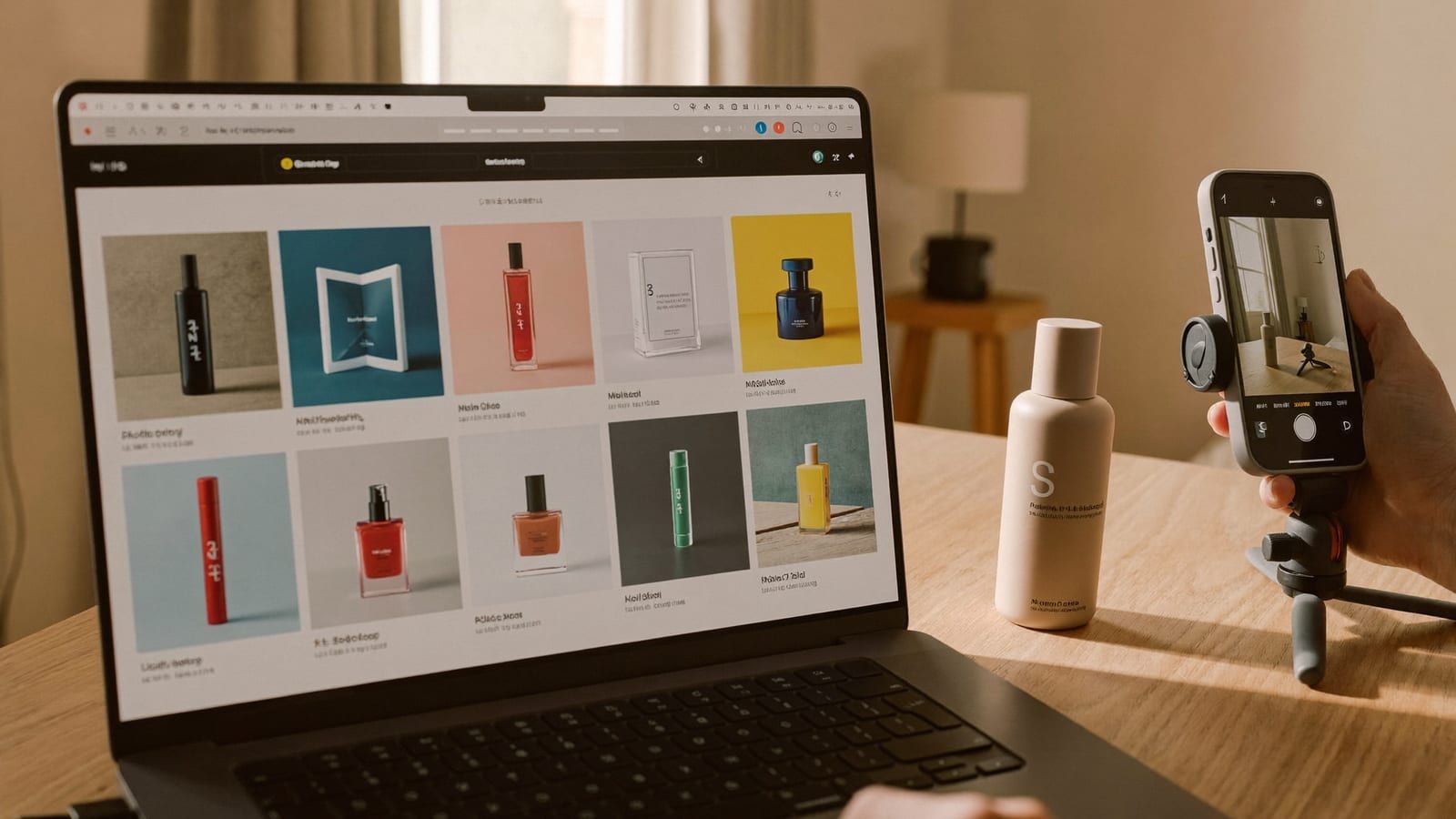
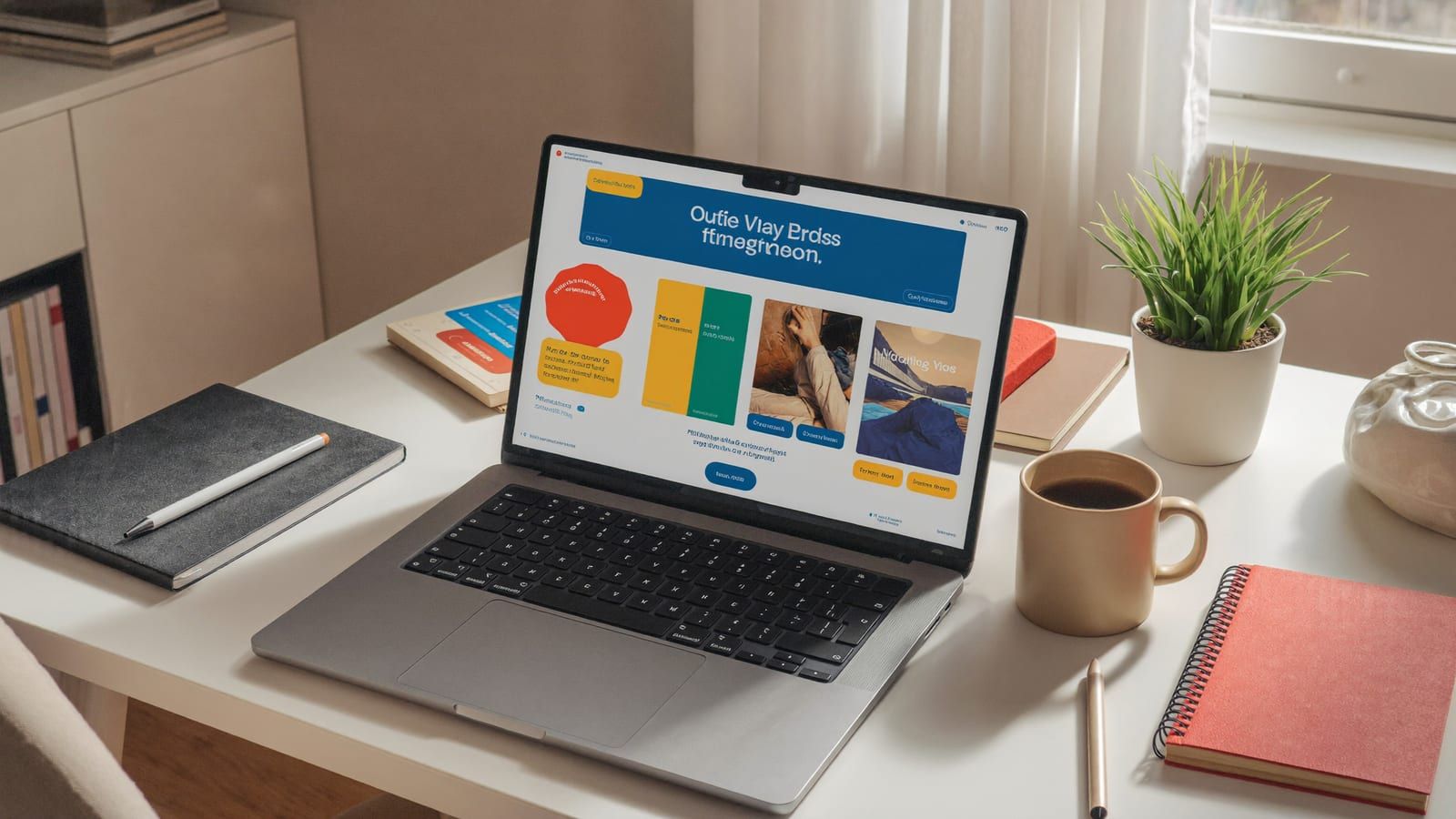
The 2026 Shopify workflow — the store, the photos and the ads all made from one desk. Generated with Higgsfield. · Generated with Higgsfield
What actually changed (and what didn't)
Rewind to 2023. To launch a credible Shopify store you either had a product photographer on call (a day rate, per drop), hired UGC creators at $150–300 a clip and waited a week per ad, or you shot everything on your phone and it looked like you shot everything on your phone. Worse, paid social is a testing game — you don't know your winning ad, you find it by running many — and when each test costs an agency invoice, most people could afford to test three angles and hope. That's why so many decent products died: not a bad product, an unaffordable search for the ad that sells it.
What changed is the cost of a test, not the rules of the game. Good products still win and bad products still lose. But now a single phone photo becomes a full catalog, one AI character becomes fifty ad variations, and a product URL becomes a draft video ad in minutes. You test twenty angles instead of three, so you actually find the winner — and the winner pays for everything else. Read that as the whole thesis: AI didn't make selling easy, it made finding the winner affordable.
The real ways people make money on Shopify in 2026
Private label / branded products — you source a generic product, brand it, and win on marketing and photos. This is where AI creative helps most: your edge is presentation, and presentation just got cheap.
Print-on-demand — no inventory; you sell designs on products a partner prints. AI generates the designs and the mockup imagery. See the full AI print-on-demand playbook.
Digital products — templates, presets, planners, printables: near-100% margin, no shipping. The Etsy/AI digital products guide applies directly to a Shopify storefront too.
Dropshipping — lowest barrier, most competitive; margins are thin, so you live or die on ad creative — exactly the part AI makes testable at scale.
The AI stack that replaces the studio and the agency
Four jobs, four tools' worth of work — most of which now live in one place. Here's what to reach for and, more importantly, the order to do it in.
1. Product photos (start here)
This is the fastest ROI: better product and lifestyle shots lift conversion the day you swap them in, and they're the cheapest generations. Shoot your product once on a plain background in good light, then generate the variations — clean white-background PDP shot, lifestyle-on-a-counter, a seasonal version, a macro detail. One source photo becomes a month of feed. The catch is text: models still garble small print and logos, so composite your real label back on top. Full walkthrough: Shopify product photos with AI.
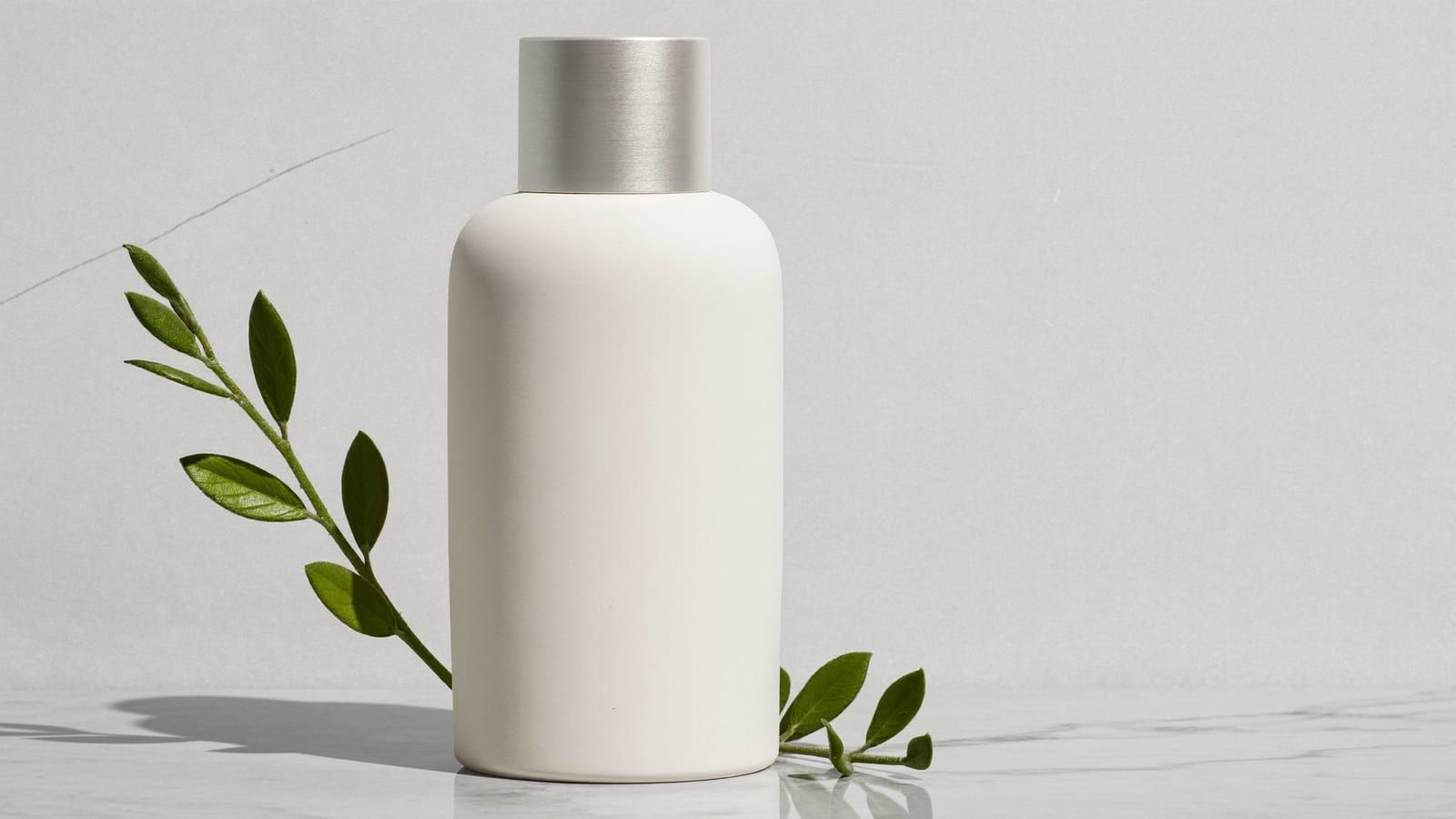
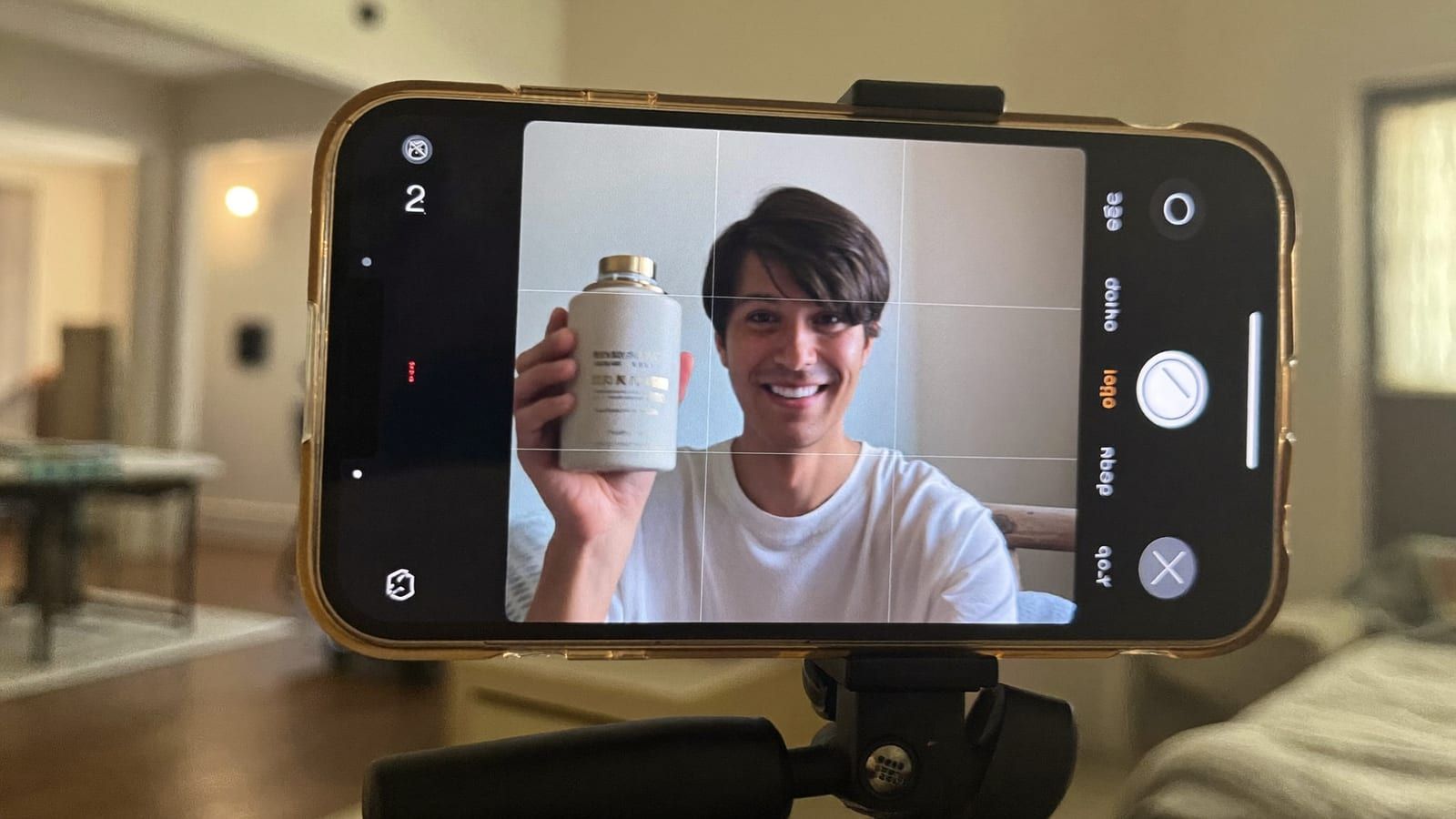
A studio-grade product shot generated from a single phone photo — no photographer, no studio day rate. Generated with Higgsfield. · Generated with Higgsfield
2. UGC & video ads (where the money is found)
UGC — the 'real person talking to their phone about your product' ad — is the highest-converting format on TikTok and Reels, and it used to be the most painful to source. The AI version: build one consistent character (a reusable identity) once, and you own a spokesperson who shows up in every ad with the same face, holding your product, saying your hook. Then a marketing-studio flow turns a product link into a vertical video ad draft. The point isn't which video model — it's that you can test twenty hooks by Friday. Deep dive: Shopify UGC & video ads with AI, and the broader AI ad-creative-for-Shopify breakdown.
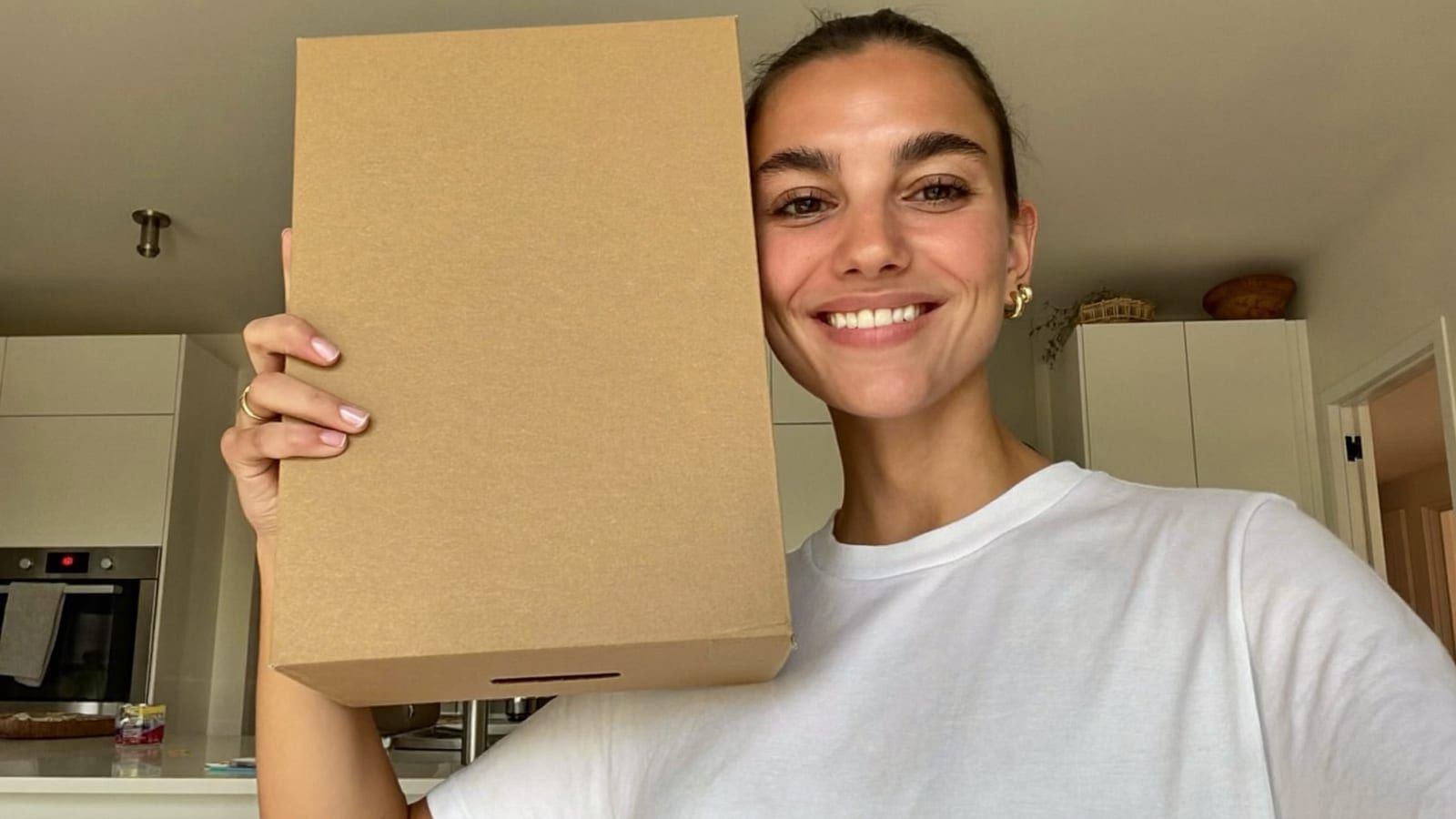
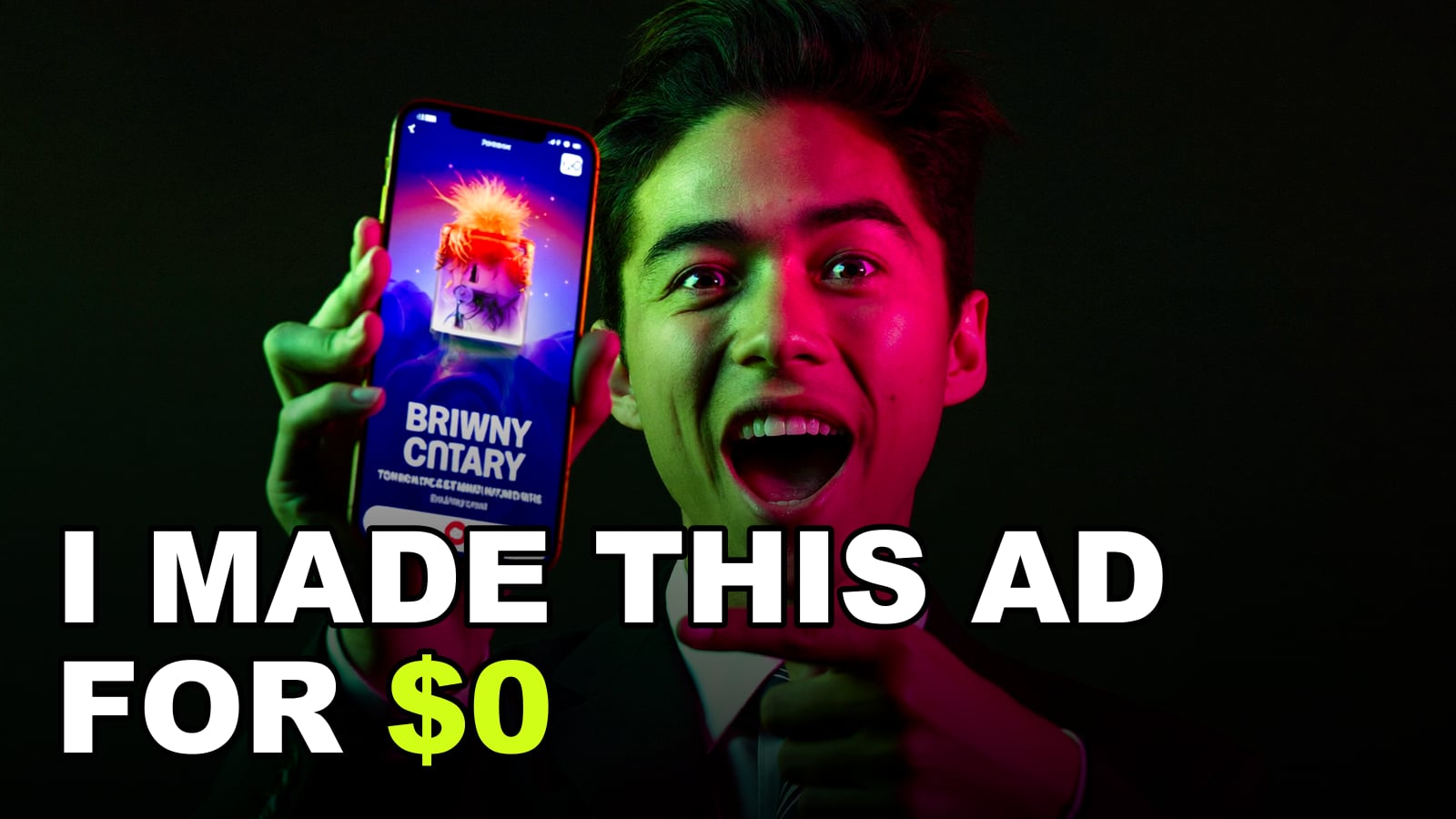
A UGC-style ad frame — one reusable AI spokesperson instead of a $150/clip creator. Generated with Higgsfield. · Generated with Higgsfield
3 & 4. Store copy and the brand look
AI drafts product descriptions, benefit bullets, FAQ answers and email flows in your voice — then you edit for truth (never let it invent a spec or a claim). For the brand look, the same image tools generate a cohesive banner set and social templates. It's the difference between a store that looks like a side project and one that looks like a company — a trust signal that directly affects conversion.
Higgsfield · The whole stack
Sponsored
Higgsfield runs the product-image models, a reusable UGC character, and product-link-to-video ads in one place — so you're not stitching together five subscriptions to make a Shopify store's worth of creative. Free tier to test before you pay.
What it actually takes to go from nothing to a store with real, testable ad creative — the AI way versus the old way. Time assumes you're new and learning as you go.
To a testable store
Store build (Shopify + theme)
Old way
A weekend, ~$1–39/mo
AI way
A weekend, ~$1–39/mo (unchanged)
Product photos
Old way
Photographer day rate, per drop
AI way
Cents per image, an afternoon
One UGC ad
Old way
$150–300 + a week
AI way
Minutes, from a reusable character
Testing 20 ad angles
Old way
Effectively unaffordable
AI way
A day's work
The cost that remains
Old way
Ad spend + a product with margin
AI way
Ad spend + a product with margin
Old way
AI way
Store build (Shopify + theme)
A weekend, ~$1–39/mo
A weekend, ~$1–39/mo (unchanged)
Product photos
Photographer day rate, per drop
Cents per image, an afternoon
One UGC ad
$150–300 + a week
Minutes, from a reusable character
Testing 20 ad angles
Effectively unaffordable
A day's work
The cost that remains
Ad spend + a product with margin
Ad spend + a product with margin
Quick answers
Is it really easier than it used to be?
Yes — but the easy part is the creative, not the selling. Store setup was always doable; product photos, UGC ads and testing budget were the walls, and AI knocked those down. You still need a product people want and a margin to fund ads.
Will customers know my photos and ads are AI?
For static product shots, almost never — those have been retouched for decades. For UGC and video the tells are hands, teeth and fast lip-sync; keep shots simple and it holds up. Some ad platforms also ask you to disclose AI-generated content, so check the current policy where you run ads.
Do I need to be technical?
No. The skill is taste — knowing a good hook and a clean shot from a bad one — not code. If you can write a decent product description, you can run this stack.
Dropshipping, print-on-demand, or private label?
Print-on-demand and digital products are the lowest-risk starts (no inventory). Private label has the best long-term margins if you can fund inventory. Dropshipping is the most competitive and lives entirely on ad creative — which is exactly the thing AI makes testable, so it's viable again if your creative is strong.
What's the single fastest win?
Replace your product photos. Better PDP and feed images lift conversion immediately, they're the cheapest generations, and they make everything downstream (ads, social) look like a real brand.
Make your Shopify store look like a real brand this week
Generate the product shots, build a reusable UGC spokesperson, and draft your first video ads — all in one place, on a free tier. The store's easy; this is the part that used to cost thousands.