In late September, DHH told a room of 1,200 developers that writing code by hand is now the exception. If you build apps by describing them to Lovable or Bolt, here's what actually changed for you — and what didn't.
For about a week at the end of September, the loudest story in software was a slogan: "pencils down." It came from David Heinemeier Hansson — DHH, the creator of Ruby on Rails and co-founder of Basecamp and HEY — and it set off a round of "is hand-coding over?" takes aimed squarely at professional developers. If you're not a professional developer — if you build things by describing them to an AI tool — it's worth understanding what he actually said, because almost none of the coverage was written for you. Here's the news, decoded, with the quotes checked against the original pages.
Who DHH is, and why this was news
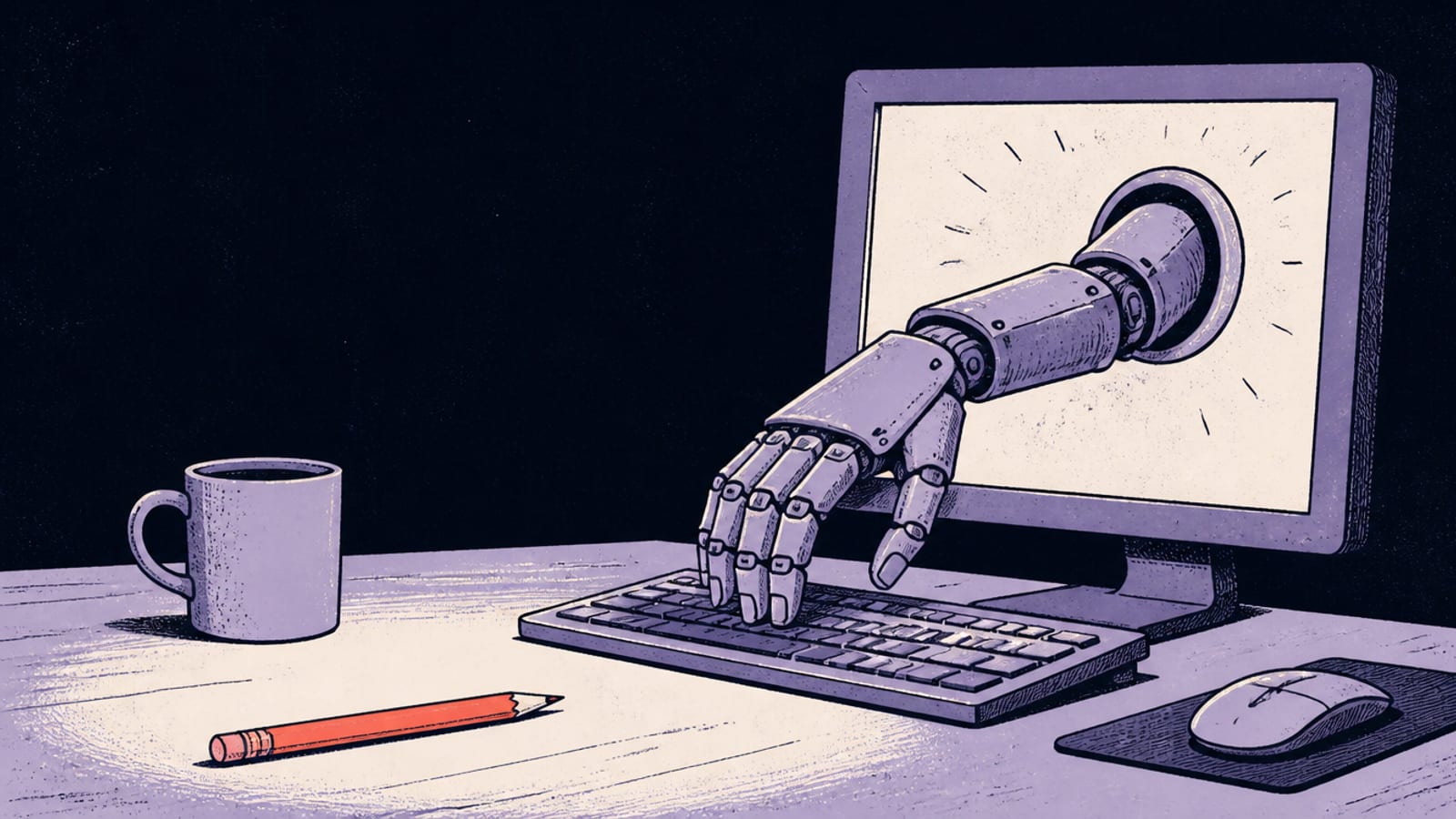
DHH created Ruby on Rails, the framework behind a large slice of the web, and he's spent 2026 very publicly moving his own work onto AI agents. At the Rails World 2026 opening keynote in Austin on 23 September, he made it official for his company. Reporting on the talk, DevOps.com quoted him plainly: "Writing code by hand is now an exceptional state," followed by "This is coming. Get ready." Three days later, the YouTube explainer channel Fireship released a video whose own description sums up the reaction: "DHH told 1,200 Rails developers that writing code by hand is over."
That's the "pencils down" moment. It's a statement about how one influential, highly technical company now writes software — not a decree about everyone.
This is a reversal — and that's the real story
What makes it notable isn't the slogan; it's how fast DHH got there. In January, he was cautious. In his 7 January post "Promoting AI agents", he wrote: "Yet pure vibe coding remains an aspirational dream for professional work for me, for now. Supervised collaboration, though, is here today." That's a careful supervisor talking — someone who hands work to agents but still reads it. Eight months later, the same person is saying hand-writing code is the exception. A skeptic-turned-believer in under a year is a better story than the slogan, and it's the part worth paying attention to: the people most able to write code by hand are choosing not to.
But "pencils down" is written for pros. Here's the translation for Lovable.
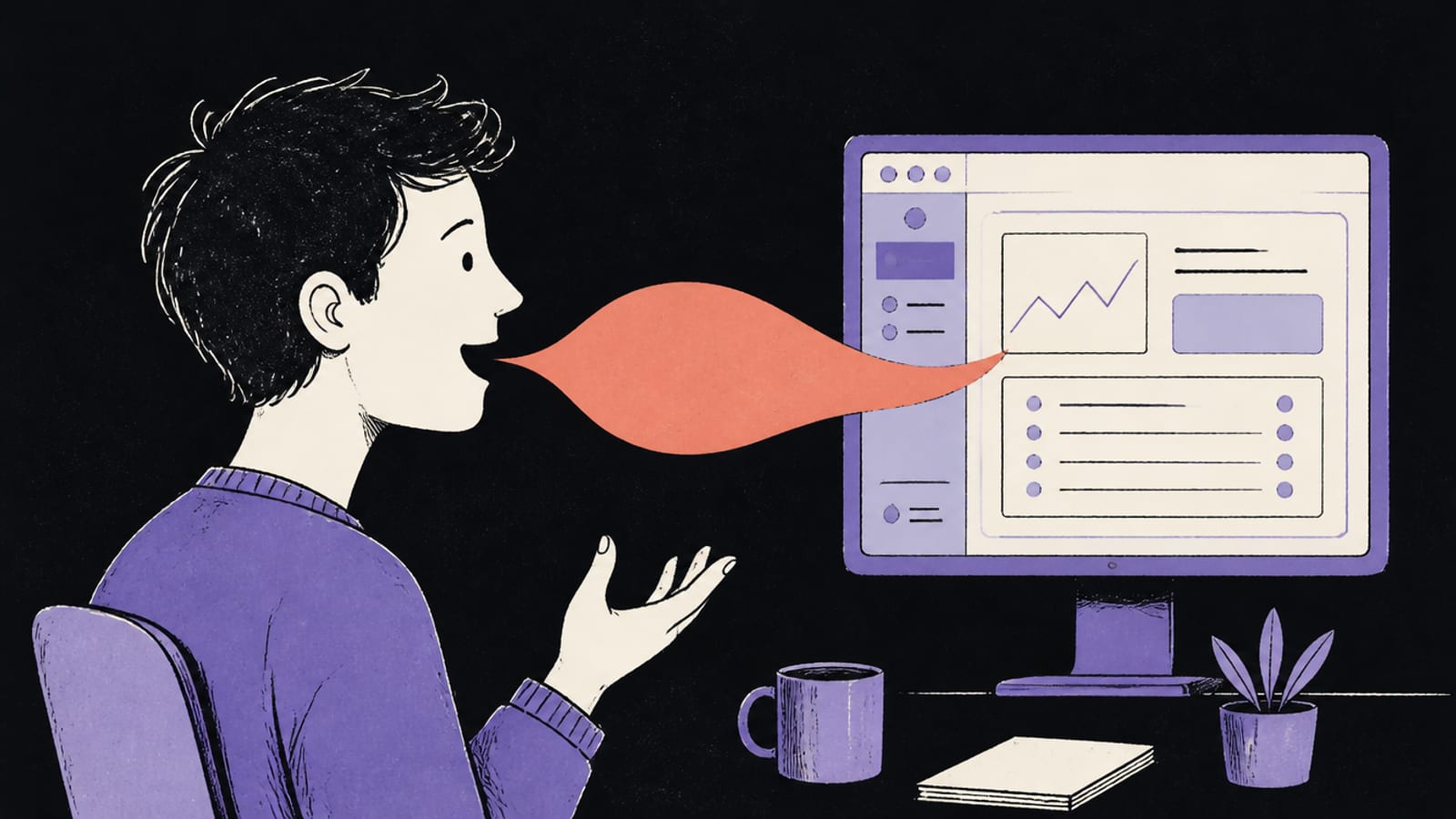
Here's the trap in the headlines: "writing code by hand is over" sounds like it should mean something for you, and mostly it doesn't — because you weren't writing code by hand in the first place. DHH is describing expert programmers moving from typing every line to directing agents that type for them. You started one step past that. So the honest translation, if you build in Lovable or Bolt:
What rose: the ceiling. More of what used to require a developer is now something you can describe and get. That's real, and DHH's enthusiasm is about that ceiling moving.
What didn't move: everything you're responsible for after "it works." You still own the app, the data in it, and the bill when it gets popular. Row Level Security, keys, backups, rate limits — none of that got easier because DHH set his pencil down. The full list is in everything to check before real people use your app.
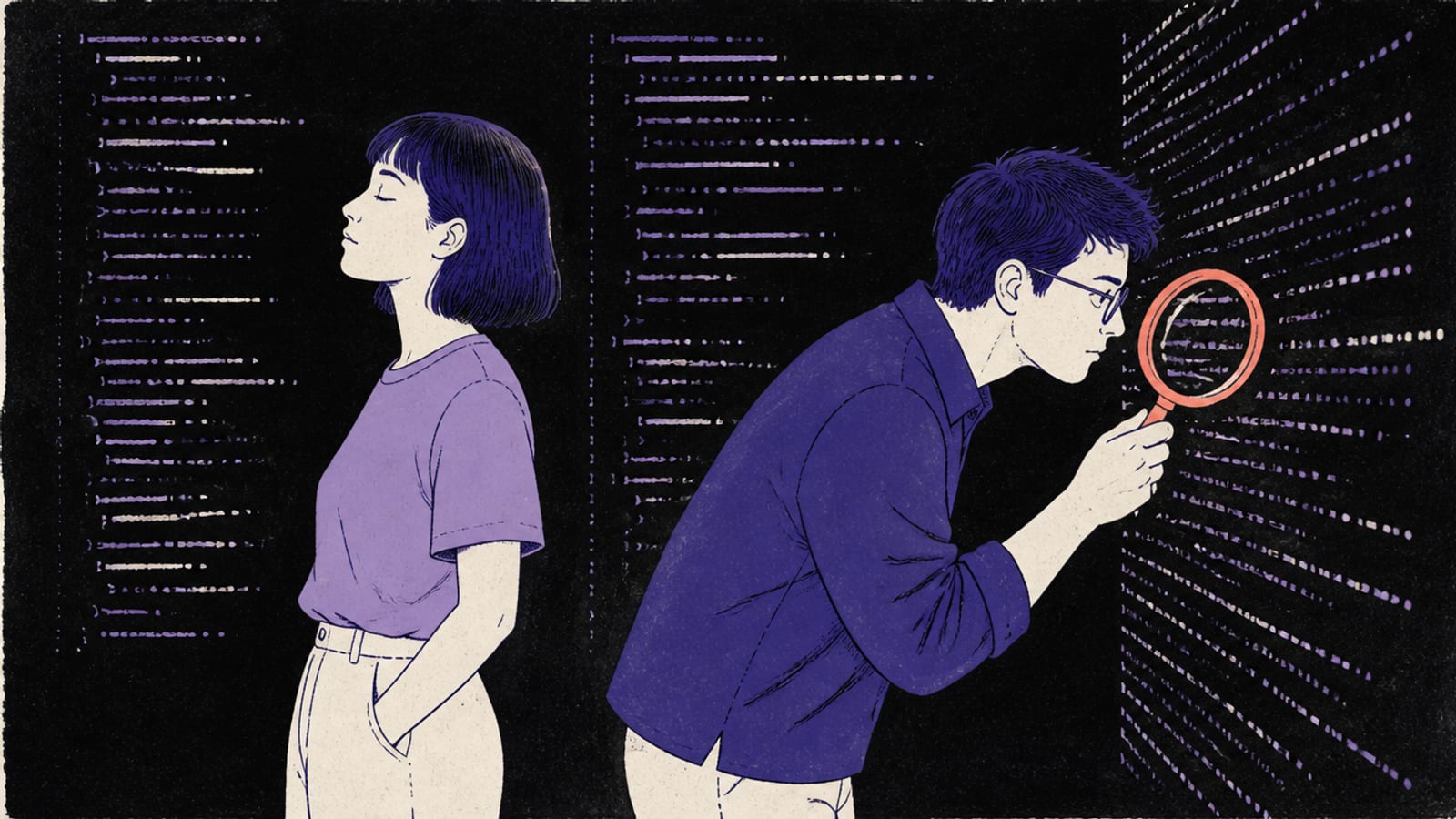
There's an irony worth sitting with. On the Lex Fridman podcast in August, DHH gave the cleanest definition of vibe coding anyone has: "vibe coding, if we define it here, is you tell an agent to build software for you. You do not look at the implementation." He meant it as a boundary — that not looking is what separates vibe coding from programming. And "not looking" is exactly what sinks vibe-coded apps: the ones that leaked their databases in 2026 worked perfectly for their makers, who never looked. So the more the tools can do, the more the one habit that protects you matters: reading and challenging what the AI built, even when you can't write it yourself.
What actually changed for you — and what to do about it
If you take one thing from the "pencils down" week, make it this: the gap between what you can build and what you can safely ship just got wider, which means the checking matters more, not less. Three concrete moves:
Run the six checks. Before you share the link, the security checklist catches the gaps that "it works" never will — the first being Row Level Security.
Not quite. He said hand-writing code is now an exceptional state at his company, and he's enthusiastic about directing AI agents. But on the Lex Fridman podcast he drew a firm line: vibe coding means you "do not look at the implementation," and he treats that as different from programming. The nuance matters.
Does "pencils down" mean I don't need to understand my app?
The opposite. The more the AI writes, the more the safety of your app depends on someone checking it — and if that someone is you, you have to be able to read it. "Pencils down" is about who types the code, not about who's responsible for it.
Is this the same as "agentic engineering"?
Related. "Agentic engineering" is the term experts have adopted for directing agents instead of typing code — and, notably, DHH says he hates the phrase. The difference between that and vibe coding comes down to one thing: whether you read the code, which is its own story.
Should I feel behind?
No. If you're building working things by describing them, you're already doing what the headlines are excited about. The work is in the part the excitement skips: making sure what you built is safe before strangers use it.
This page has no affiliate links or sponsored placements — it's a plain-English read of a news moment, with every quote checked against the page it came from. DHH's larger keynote claims about his own productivity were reported second-hand; where this piece quotes him, it quotes the published transcript or a named report of the talk.