Blaze put Evercade cartridges and the Super Pocket up across the UK and EU. the cause has nothing to do with retro gaming and everything to do with AI datacenters — and this is the corner of the market least able to absorb it.
Blaze Entertainment raised prices on Evercade cartridges and its Super Pocket handheld across the UK and EU this month. On its own, a small hardware company adjusting prices isn't news. What makes it worth a second look is the reason — because it's the same root cause behind a delayed Nvidia graphics card, a $50 Nintendo price rise and a 46% jump in hard drive costs. The retro corner of gaming has been pulled into an AI story.
The mechanism, and why cartridges specifically
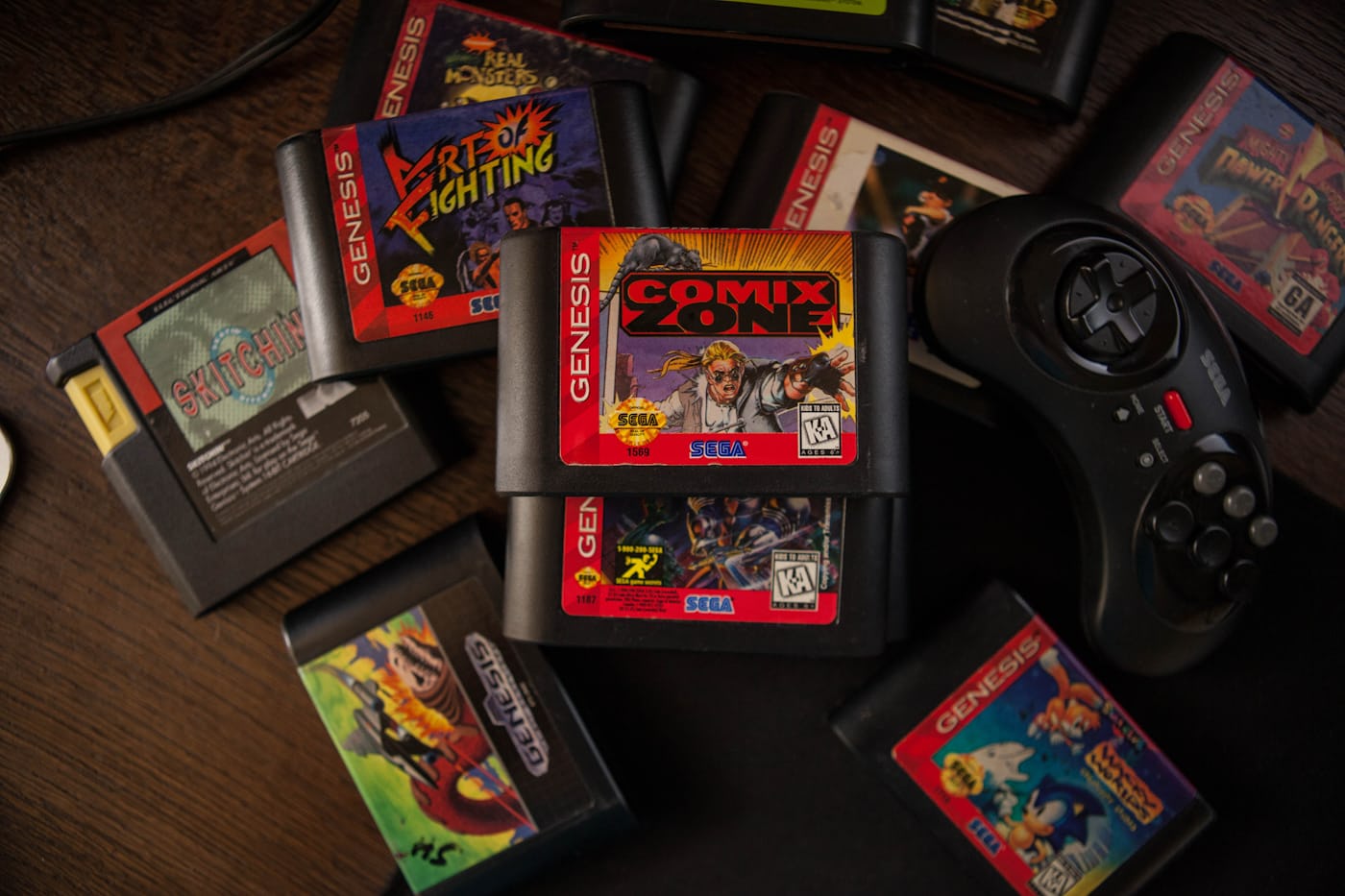
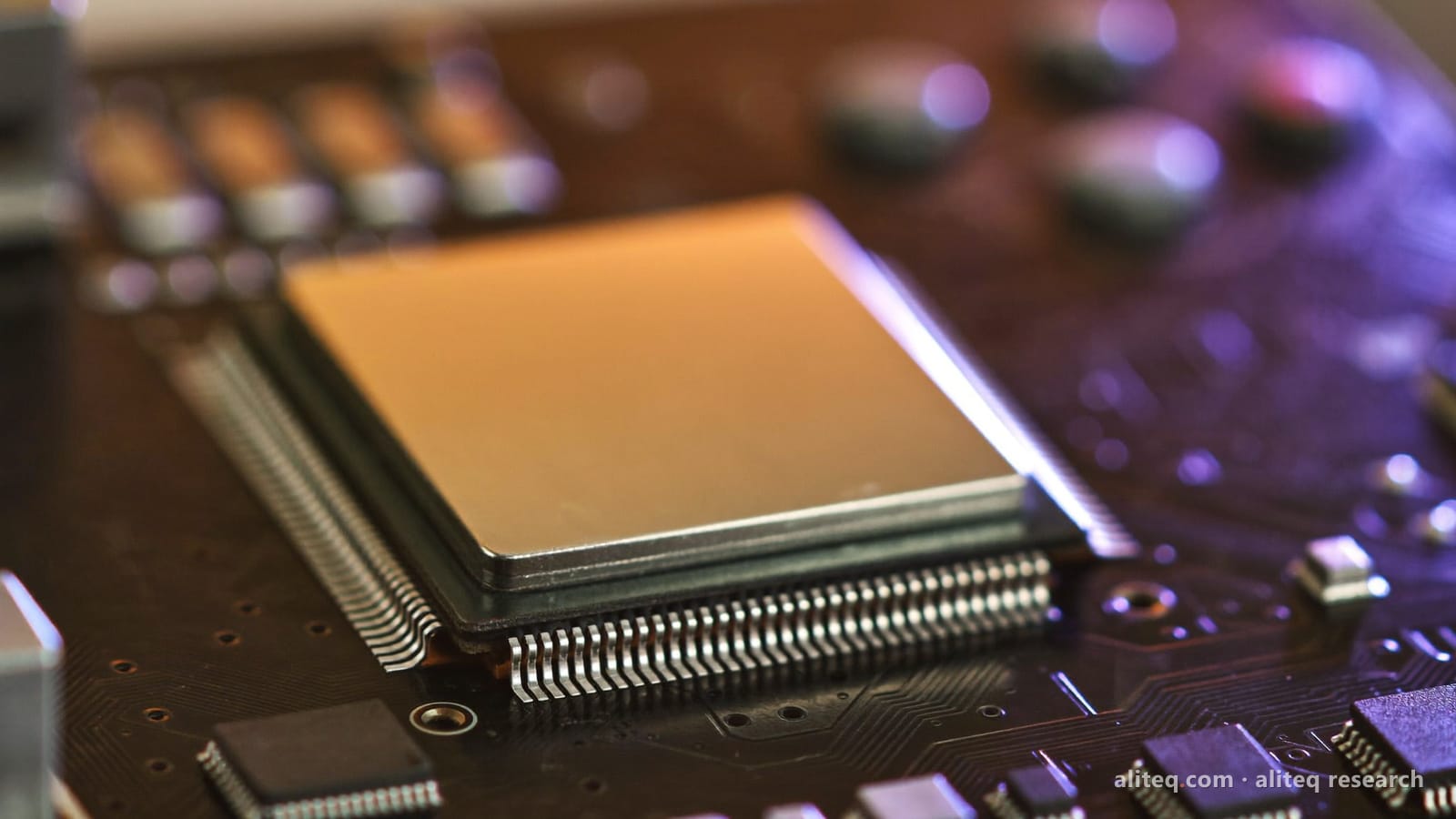
Evercade cartridges and the Super Pocket both depend on commodity memory and flash storage — the same category caught in 2026's price spike as AI datacenter demand pulls supply away from consumer electronics. A game cartridge is, functionally, flash storage in a plastic shell. There's very little else in the bill of materials to absorb a cost increase, so when flash goes up, the cartridge price has almost nowhere to hide.
That's the same structural problem the Raspberry Pi has, for the same reason: when memory is most of what you're selling, a memory shock lands almost undiluted on the customer. Larger products can spread it across a bigger bill of materials. A $25 cartridge cannot.
A cartridge is flash storage in a plastic shell — which is exactly why a memory shortage reaches it. · Unsplash
We have absorbed rising costs across manufacturing, components and freight for as long as possible, but this is no longer feasible.
Andrew Byatt, CEO, Blaze Entertainment
Why the US escaped — for now
Blaze says recent reductions in US import tariffs offset the component cost increase enough to hold American pricing steady. That makes this a regional story today rather than a universal one, but it's worth understanding what it actually means: US pricing is now net-balancing two moving variables — component costs going up, tariffs coming down — instead of one. That's a less stable position than it looks. If tariff relief reverses while memory stays expensive, US prices move too.
What this means if you're buying
If you're in the UK or EU and you've been eyeing a Super Pocket or building an Evercade collection, the increase has already landed — there's no pre-hike window to race. If you're in the US, current pricing is holding but is dependent on a tariff position that could change, so I wouldn't assume it's permanent.
EU cartridges went from €24.99 to €29.99 and UK cartridges from £19.99 to £24.99. The EU Super Pocket moved from €59.99 to €69.99.
Did US prices change?
No. Blaze says reduced US import tariffs offset the component increases, holding cartridges at $29.99 and the Super Pocket at $69.99 for now.
Why would AI affect a retro game cartridge?
Cartridges are essentially flash storage. AI datacenter demand has pushed up DRAM and NAND flash prices, and products where memory dominates the bill of materials feel that most directly.
Will prices come back down?
Not soon. Industry analysts don't expect memory pricing to normalise before late 2027, and small manufacturers have the least ability to absorb costs in the meantime.
Are other retro handhelds affected?
Very likely. The whole budget retro handheld category is built on commodity memory and flash, and most of those companies have thinner margins than Blaze.