General Compute just got the first-ever loan collateralized by AI inference chips instead of GPUs — a quiet signal the market is betting beyond Nvidia.
General Compute just secured a debt facility from lender Upper90 that starts at $100 million and scales up to a $400 million ceiling — and for the first time, the collateral backing a major AI infrastructure loan isn't a stack of Nvidia GPUs. It's SambaNova's SN50 chips, purpose-built silicon that does one job: running already-trained AI models fast and cheap. That's the actual story here, not the dollar figure — what lenders are now willing to bet on.
$400M
Loan ceiling
Scales up from an initial $100M facility
$100M
Starting size
Where the Upper90 facility begins
$15M
Prior seed round
General Compute's raise in May 2026
16x
Claimed speed edge
SN50 vs. typical GPU-based inference clouds
The deal, in plain terms
Who's involved
Borrower
Info
General Compute — founded by CEO Finn Puklowski and CTO Jason Goodison
Lender
Info
Upper90, led by co-founder and CEO Billy Libby
Collateral
Info
SambaNova SN50 inference chips
Loan structure
Info
Starts at $100M, scales to a $400M ceiling
Prior round
Info
$15M seed, May 2026
Info
Borrower
General Compute — founded by CEO Finn Puklowski and CTO Jason Goodison
Lender
Upper90, led by co-founder and CEO Billy Libby
Collateral
SambaNova SN50 inference chips
Loan structure
Starts at $100M, scales to a $400M ceiling
Prior round
$15M seed, May 2026
Why chips-as-collateral is actually the story
Lenders have historically stuck to financing Nvidia GPUs and avoided everything else, because non-Nvidia AI silicon depreciates unpredictably and has almost no resale market if a borrower defaults. Billy Libby knows that history better than most — he was among the first financiers to lend against Nvidia GPUs at all, backing Crusoe back in 2021. That he's now willing to make the same bet one rung down the stack, on inference-specific chips instead of general-purpose GPUs, is the actual signal in this deal. It suggests lenders increasingly see inference — the part of AI that runs every time someone actually uses a model — as durable enough to underwrite on its own, separate from the training compute that gets most of the headlines.
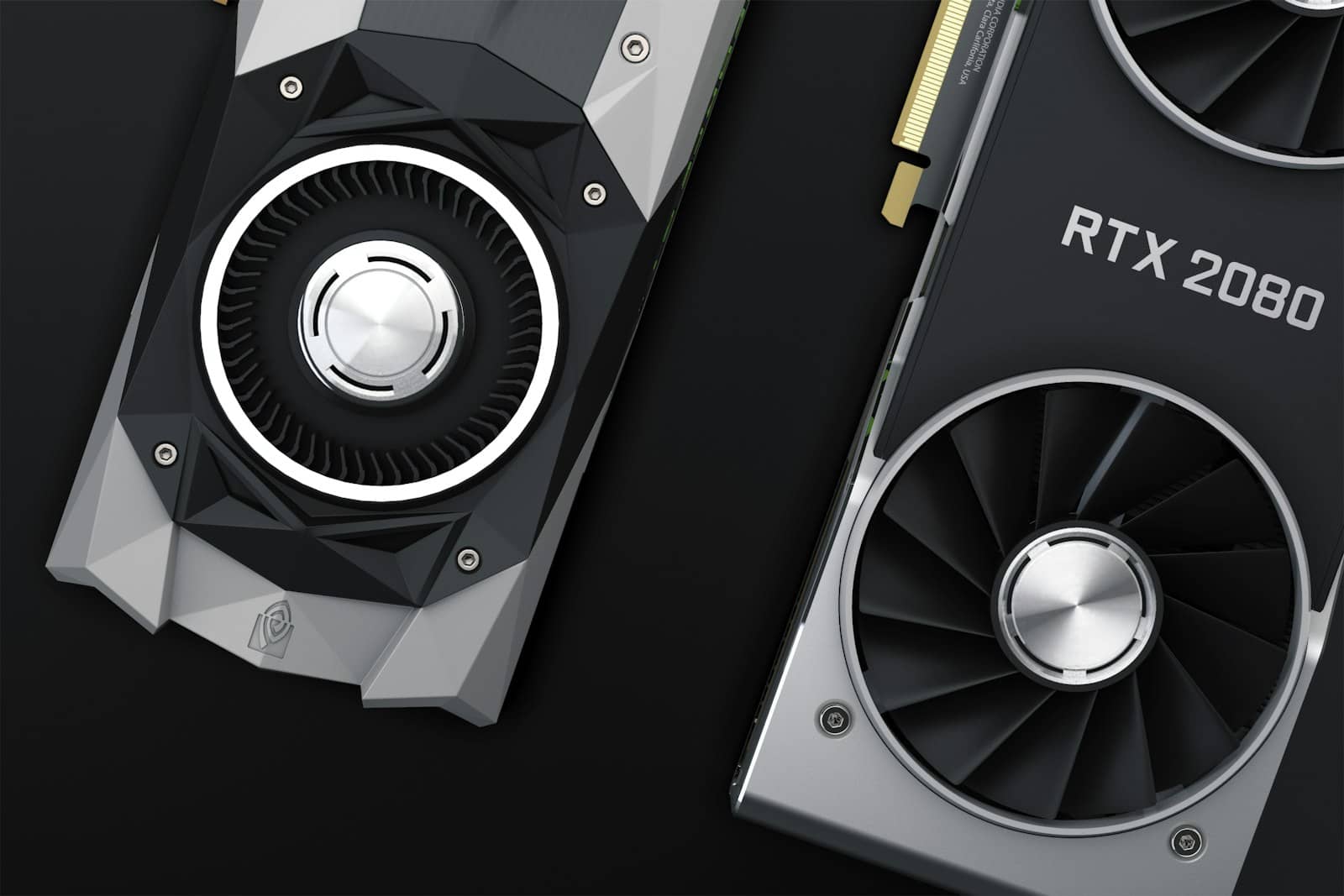
Inference-specific chips are built to run trained models cheaply at scale — a narrower job than the GPUs used to train them. · Unsplash
The claimed speed gap
Typical GPU inference cloud1x baseline
Standard GPU-based inference throughput
SambaNova SN50 (claimed)16x faster
General Compute's claimed inference speed edge
The risk nobody's saying out loud
Every party in this deal has an obvious incentive to talk up how safe it is. What gets said less is that a specialized inference chip has essentially no market outside AI infrastructure. If the GPU trade sours, a Nvidia card can still find a buyer in gaming or crypto mining. An SN50 chip, if SambaNova's ecosystem doesn't keep pace with Nvidia's software moat, has nowhere else to go.
What to watch next
What is General Compute's $400 million deal?
A debt facility from investment firm Upper90 that starts at $100 million and scales to a $400 million ceiling, collateralized by SambaNova's SN50 inference chips rather than Nvidia GPUs.
What makes this the first deal of its kind?
Lenders have historically avoided financing non-Nvidia AI silicon because it depreciates unpredictably and has a thin resale market. This is reportedly the first loan to use inference-specific chips as primary collateral.
What's the difference between training chips and inference chips?
Training chips, typically Nvidia GPUs, build AI models from scratch. Inference chips like SambaNova's SN50 run already-trained models as cheaply and quickly as possible — a narrower, more specialized job.
Is SambaNova the same as Nvidia?
No. SambaNova is an Intel-backed chipmaker building silicon specifically for inference. Its SN50 chips claim up to 16x faster inference than typical GPU-based clouds, without needing water cooling.
Does this affect gaming GPU prices?
Not directly — SN50 chips serve AI data centers, not gamers. But it's part of the same broader story: capital and manufacturing capacity increasingly chasing AI compute, which is a real contributor to this year's consumer GPU price hikes.
Worth watching over the next few months: whether other lenders follow Upper90 into inference-chip-backed debt, and whether SambaNova's SN50 numbers hold up once General Compute's customers are running production workloads instead of a tech preview. If they do, this becomes the template for financing the next wave of non-Nvidia AI hardware. If they don't, it becomes a cautionary tale about how fast 'the next big collateral' can turn illiquid.