On July 16, Moonshot AI, a four-year-old Beijing startup, switched on Kimi K3 — a 2.8-trillion-parameter open-weight AI model — and by the next trading session, Nvidia had lost roughly $590 billion in market value in a single day. Taiwan's stock benchmark fell more than 6%. The Nasdaq slid 1.5%. None of that happened because Kimi K3 beats GPT-5.6 or Claude Fable 5 outright — it doesn't, on most benchmarks. It happened because Moonshot gave the whole thing away for free, and priced the API at a fraction of what the US labs charge.
The model that spooked Silicon Valley
Kimi K3 is a mixture-of-experts model, meaning it doesn't run all 2.8 trillion of its parameters at once. For every token it generates, it routes the work to 16 of 896 specialized expert sub-networks plus two shared ones — about 104 billion parameters active at any moment, per Moonshot's own technical blog. That's the trick that makes a model this size usable outside a hyperscaler's basement; the company recommends running it across 64 or more accelerators. It also ships with a 1-million-token context window and native vision support, reading images as well as text. The full checkpoint, compressed with MXFP4 quantization, is over a terabyte, sitting on Hugging Face under a license that lets anyone — companies, governments, competitors — deploy, modify and sell products built on it without asking Moonshot's permission first.
Price per million output tokens
Anthropic (comparable closed model)$50.00
per Fortune's July 2026 pricing survey
Kimi K3 (Moonshot)$15.00
open weights, free to self-host
Z.ai GLM-5.2$4.40
DeepSeek V4-Pro$0.87
cheapest frontier-class model on the market
The benchmark scores explain part of the reaction — Kimi K3 posted a 57 on the Artificial Analysis Intelligence Index, the best result any open-weight model has hit, and blind arena testers picked it over both US labs on front-end coding tasks, according to Fortune's reporting. But the number that actually moved markets was the price tag. If a Chinese lab can give away a model this capable and still turn a profit at $15 per million tokens, every dollar Nvidia sells in GPUs to train the next generation of expensive, closed, US-built models starts to look a little less certain. That's the trade that got unwound on July 17: Nvidia down roughly $590 billion in a session, Japan's Nikkei off about 4%, chip stocks across Asia bleeding with it.
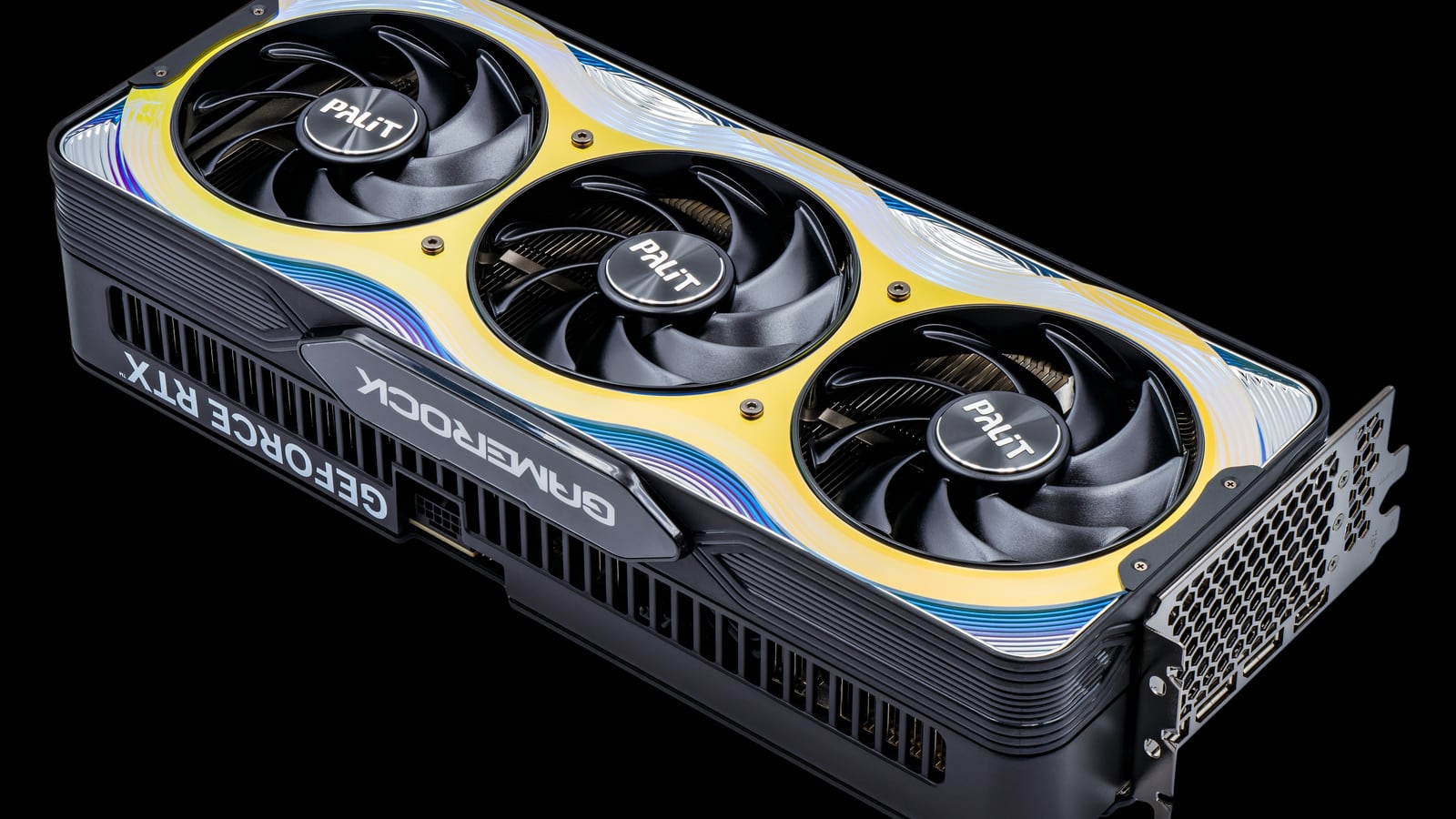
Nvidia lost roughly $590 billion in market value in a single trading session after Moonshot released Kimi K3. · Unsplash
Who's actually using it
This isn't only a benchmark-chart story — real companies switched real workloads. Cursor built its Composer 2 coding model on top of Kimi's foundation. Coinbase CEO Brian Armstrong says the company halved its AI spending by pushing employees toward Kimi and Z.ai's GLM models. DoorDash's CTO, Andy Fang, now routes what he calls lower-level work to Kimi. Airbnb is running Alibaba's Qwen for customer service. Zoom out further and the shift is bigger than any one company: during one week in July, Chinese-built models accounted for 57% of all tokens US firms processed through OpenRouter, the marketplace most startups use to compare model providers.
Better quality, cheaper cost.
Andy Fang, DoorDash CTO, on moving workloads to Kimi
My honest take
Can you actually run this yourself?
Realistically, no — not on anything you'd call a home setup. Even at 104 billion active parameters, a checkpoint this size needs serious multi-GPU infrastructure to serve at usable speed; this is a data-center model that happens to be downloadable, not a laptop model. If you want to run something locally, the smaller open models built for consumer hardware are the more honest starting point — and it's worth remembering Moonshot's own K3 was reportedly trained on GPU clusters assembled around export-control workarounds, so the openness doesn't erase how it got built. What you can do today is hit Moonshot's API directly, or route through OpenRouter, and pay a fraction of what OpenAI now charges after its own 80% price cut three weeks ago — a cut that, in hindsight, reads like a company that saw this coming.
Kimi K3, answered
Is Kimi K3 free to use?
The model weights are free to download and self-host under Moonshot's license, which permits commercial use. Using Moonshot's hosted API costs $3 per million input tokens on a cache miss (or $0.30 on a cache hit) and $15 per million output tokens.
Is Kimi K3 better than GPT-5.6 or Claude?
Not outright — Moonshot's own benchmarks say it trails both Claude Fable 5 and GPT-5.6 Sol overall. But it beat both companies' prior-generation models on coding and agent tasks, while costing far less to run.
Why did Kimi K3 hurt Nvidia's stock?
Not because it needs fewer chips to build — reports suggest Moonshot trained it on a large Nvidia cluster. It hurt Nvidia because a cheap, capable open model threatens the assumption that only expensive, closed frontier models justify continued massive GPU spending.
Can I run Kimi K3 on my own PC?
Not practically. Moonshot itself recommends 64 or more accelerators to serve it, and the checkpoint is over a terabyte even quantized. It's built for cloud and enterprise self-hosting, not consumer hardware.
Watch what Anthropic and OpenAI do next, not what they say. Insisting the capability gap is real doesn't hold a price line when a CFO can point to a spreadsheet showing 70% savings. If the next 90 days bring a real US price response rather than another benchmark chart, that's the tell this wasn't a one-day story.