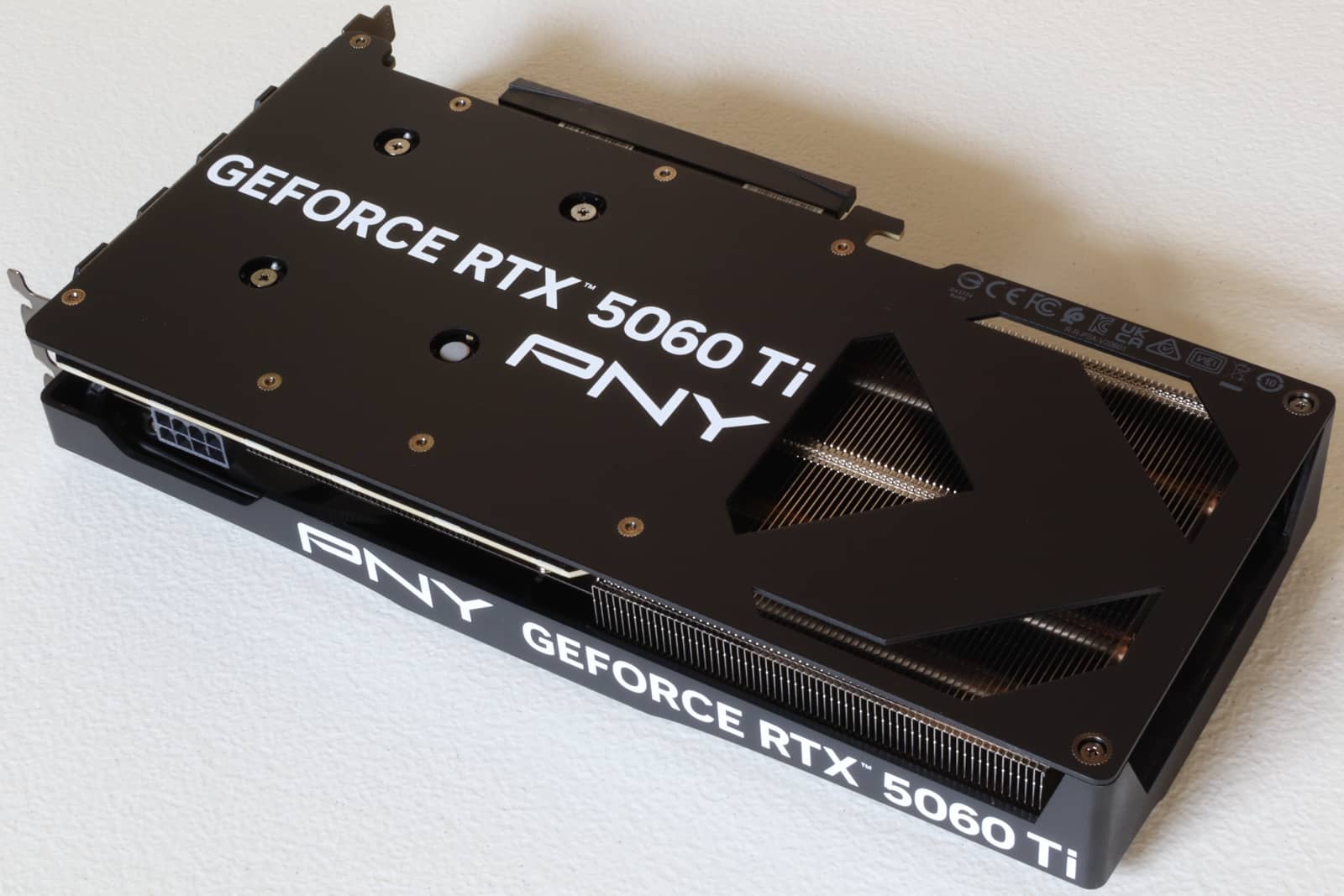
A third price hike in one year is reportedly coming for the RTX 50 series — and if you're buying VRAM for local AI, not frame rates, the calculation isn't the same as 'wait for a sale.'
Nvidia is reportedly about to raise GeForce RTX 50-series prices for the third time in 2026, this time by as much as 20 to 30 percent. The report traces back to Taiwan's Economic Daily News and has been picked up by TechPowerUp, Tom's Hardware, and BigGo Finance — Nvidia itself hasn't confirmed a word of it. But two hikes have already landed this year, and if you're buying a GPU to run models locally rather than to hit 240fps in a shooter, the 'just wait for a sale' instinct doesn't actually apply here. So let's do the math properly.
What's actually driving this
The reported cause isn't Nvidia margin-chasing on its own — it's the same memory shortage that's been eating into GPU supply chains all year. GDDR7 modules are reportedly running around $20 each now, and TSMC's wafer costs have climbed alongside them, so board partners are paying close to a third more for the GPU-and-memory bundle than they were in January. We've already tracked this exact mechanism delaying Nvidia's own 24GB RTX 50 Super lineup to 2027 — this is the same shortage showing up as a price hike instead of a cancellation.
MSRP vs street price, August 2026
RTX 5090
Card
$1,999
MSRP
~$4,300-4,800
Street price now
32GB
RTX 5080
Card
$999 official / ~$1,499 launch street
MSRP
~$1,499-2,099 (model dependent)
Street price now
16GB
RTX 5070 Ti
Card
$749
MSRP
~$960-1,050
Street price now
16GB
Used RTX 3090 (secondary market)
Card
n/a — discontinued
MSRP
~$800-1,100
Street price now
24GB
Card
MSRP
Street price now
VRAM
RTX 5090
$1,999
~$4,300-4,800
32GB
RTX 5080
$999 official / ~$1,499 launch street
~$1,499-2,099 (model dependent)
16GB
RTX 5070 Ti
$749
~$960-1,050
16GB
Used RTX 3090 (secondary market)
n/a — discontinued
~$800-1,100
24GB
Why this hits local-AI buyers differently than gamers
A gamer waiting out a price hike loses nothing but a few frames per second in the meantime. A local-AI buyer is usually up against a hard VRAM cutoff: a model quantized to fit in 16GB either loads on your card or it doesn't, and there's no settings slider that fixes an out-of-memory error. That's the actual reason 'just wait' is worse advice here than it is for gaming hardware — see our quantization breakdown for how much VRAM headroom actually changes what you can run, and our current GPU picks for where the value sits today.
The used-market escape hatch
This is where the RTX 3090 keeps earning its reputation. It's a discontinued card, so Nvidia raising new-card prices doesn't touch it directly, and used units are trading for roughly $800 to $1,100 depending on condition, per pricing trackers — for 24GB of VRAM, that undercuts a brand-new 16GB RTX 5070 Ti at today's inflated street price. It's not the only budget option, either: we've separately covered whether a used Tesla P40 makes sense for buyers who want even cheaper VRAM and can tolerate the tradeoffs.
VRAM per $100 spent, current prices
RTX 5090 (new)0.7 GB
RTX 5080 (new)0.9 GB
RTX 5070 Ti (new)1.6 GB
Used RTX 30902.5 GB
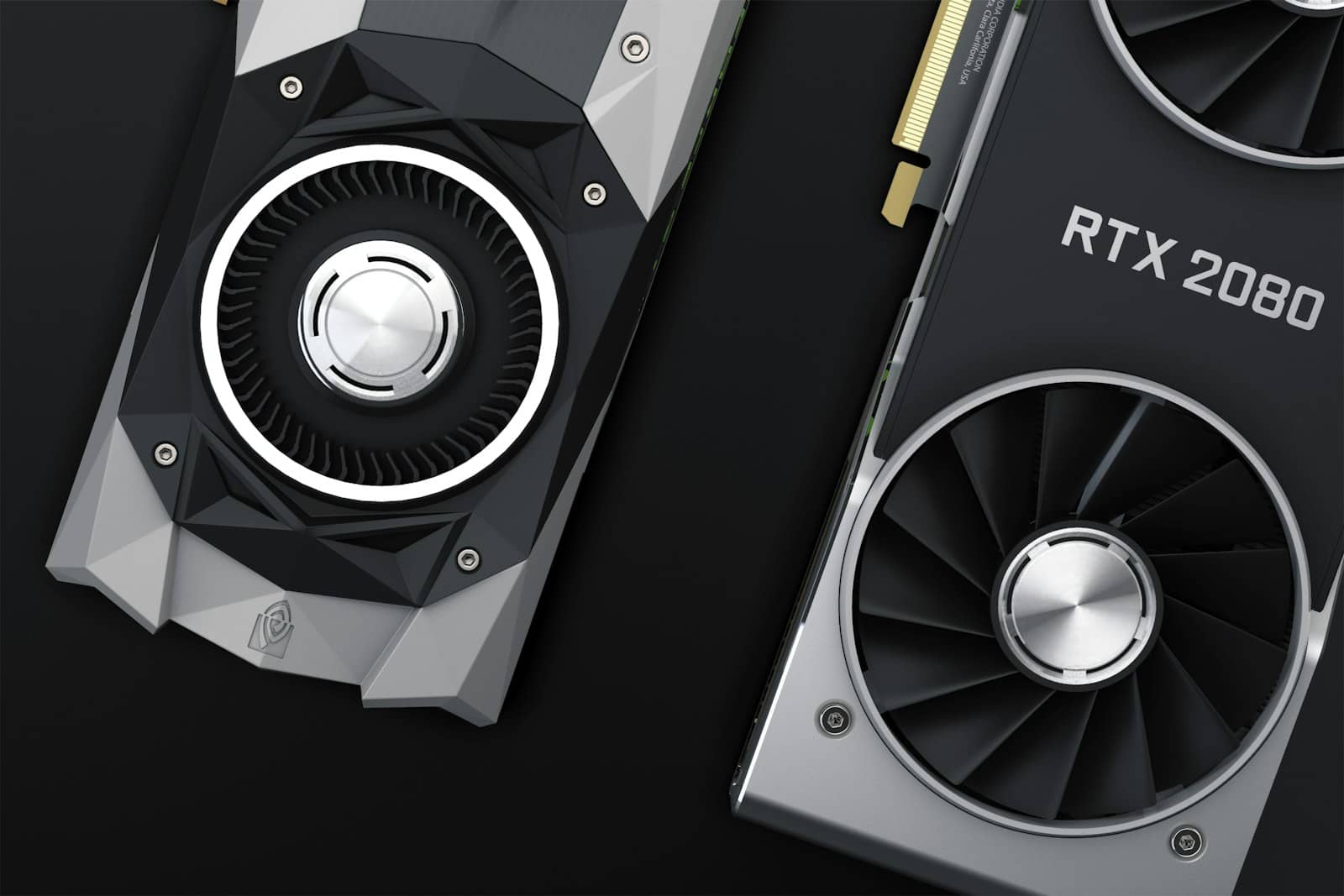
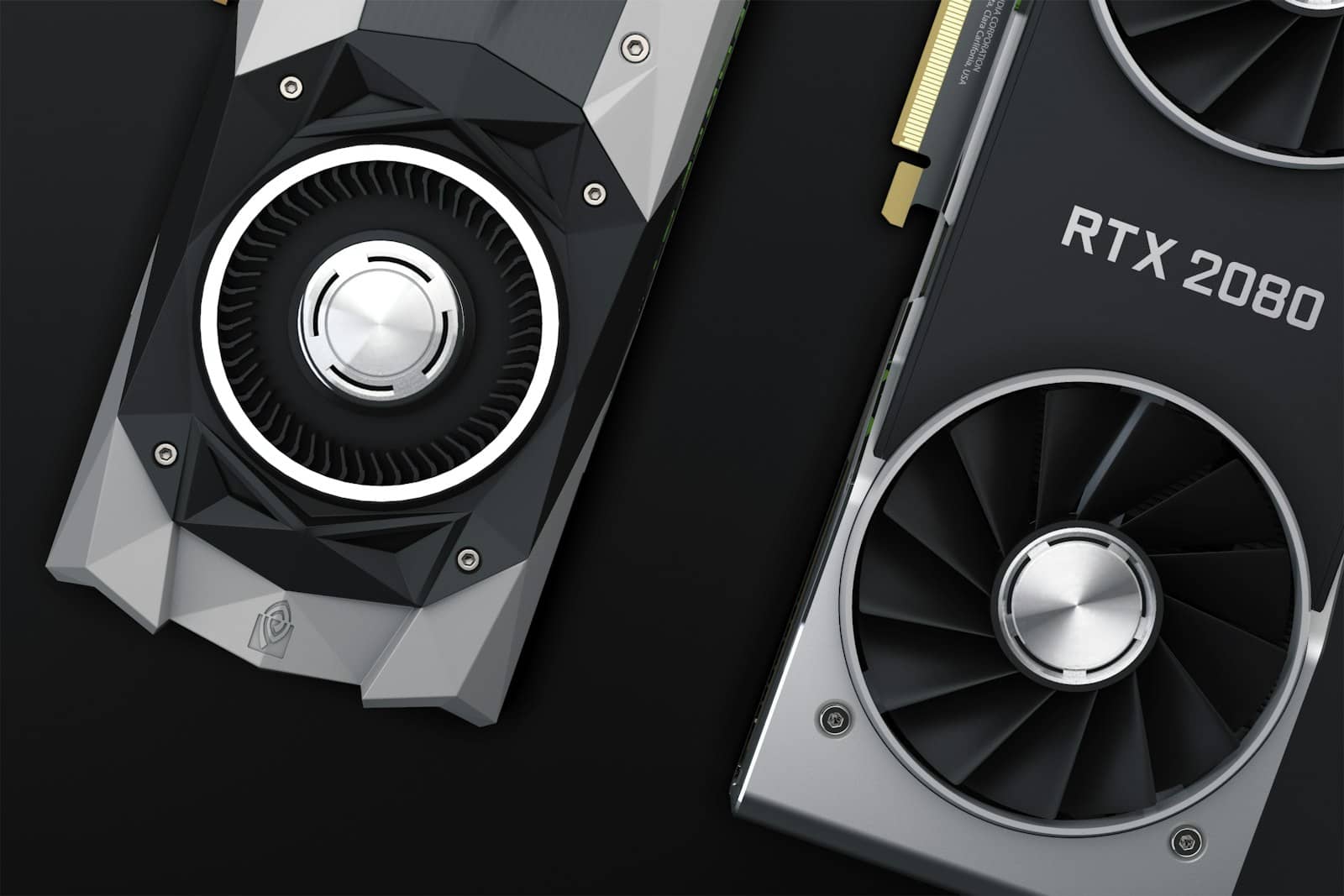
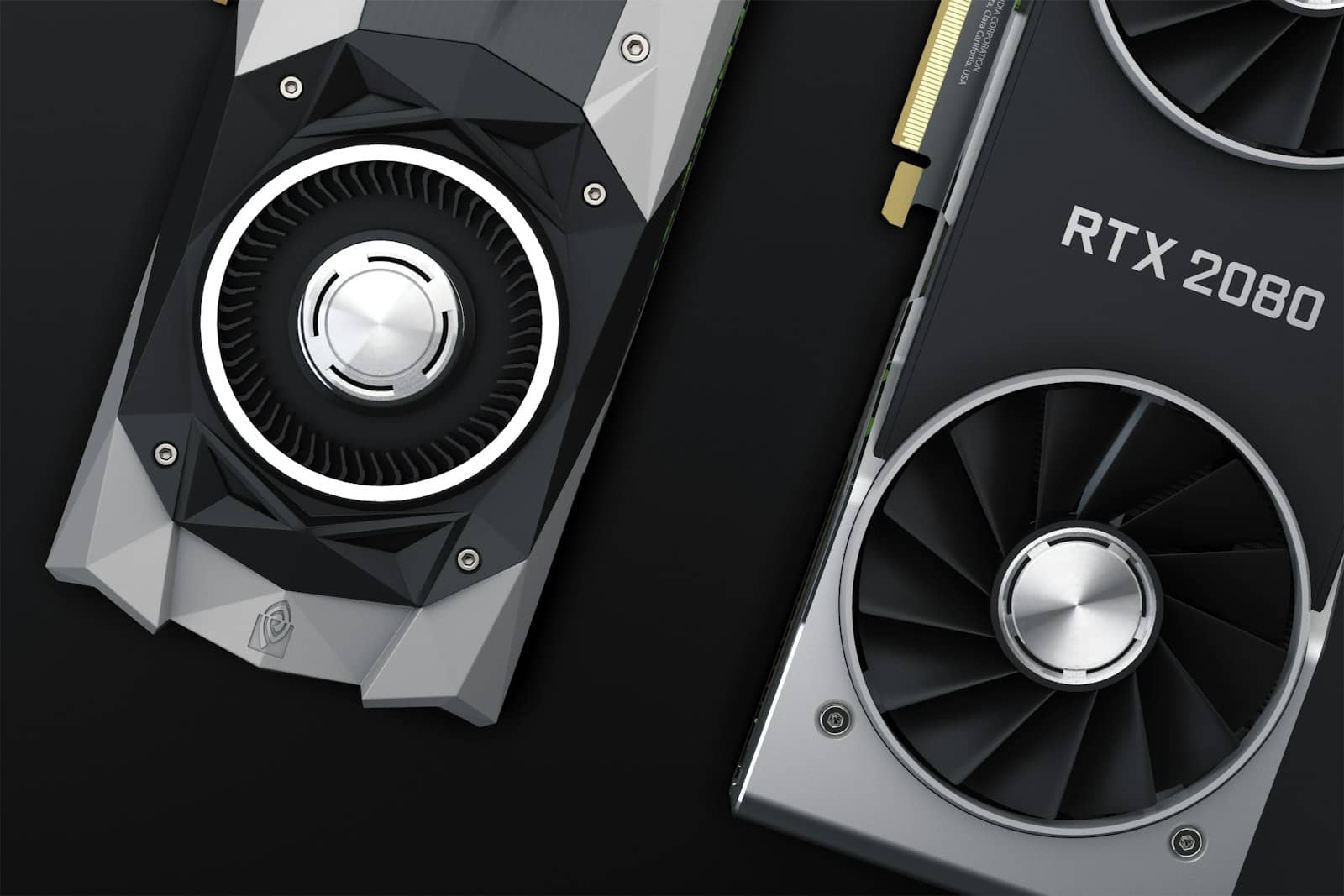
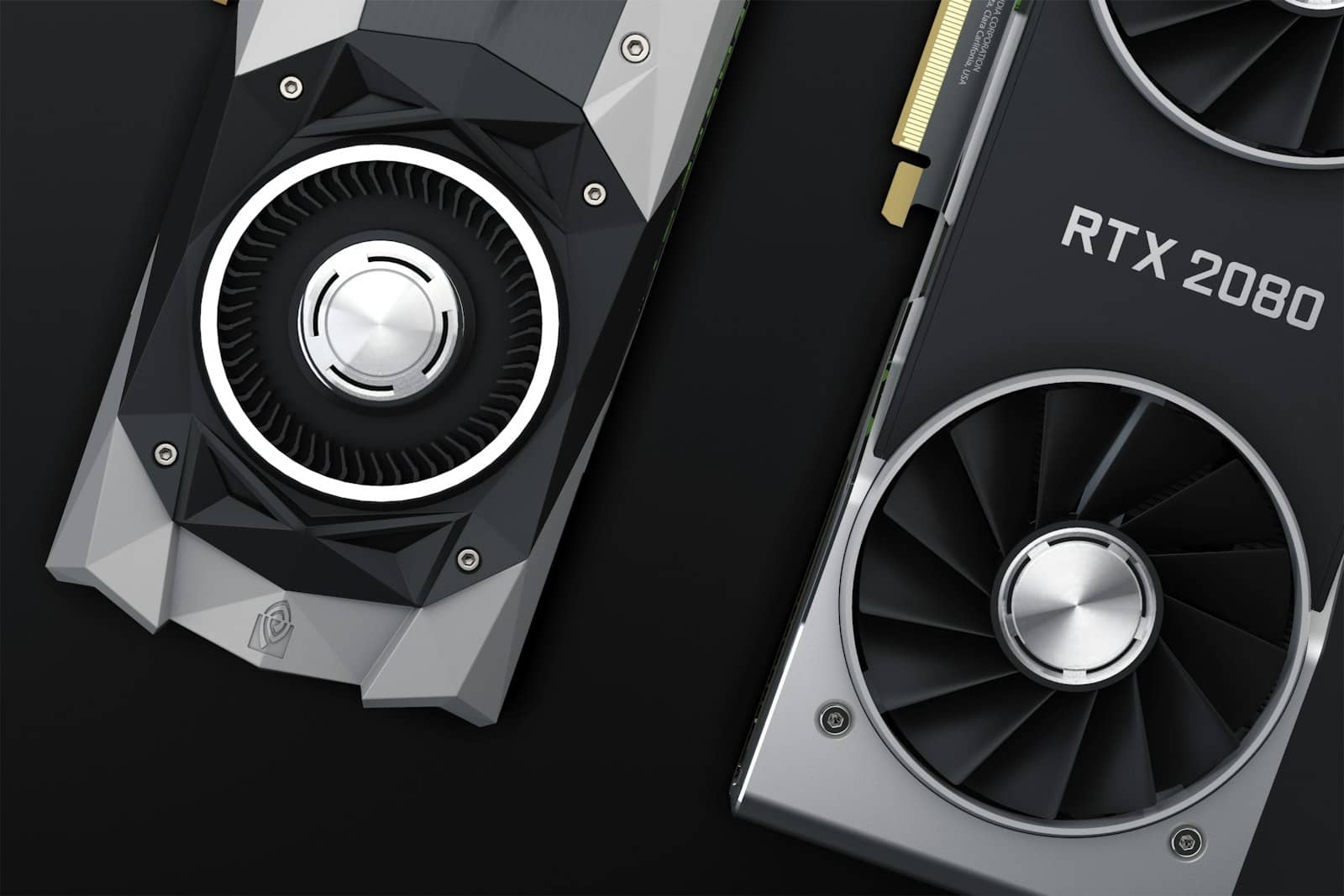
The RTX 5070 Ti's $749 MSRP is already a memory: street prices are running 25-40% over it. · Unsplash
So — buy now, or wait?
Verdict
Buy now if you need the VRAM today
If a model you actually want to run needs more VRAM than your current card has, and a new RTX 50-series card is genuinely your best option for it, buying ahead of a credible (if unconfirmed) 20-30% hike is defensible risk management, not panic buying. If you're not VRAM-constrained right now, or a used RTX 3090 covers what you need, waiting costs you nothing — the hike, if it lands, mostly affects new silicon, and the used market has its own supply that isn't tied to Nvidia's pricing decisions.
Best for: Buyers with a specific model and VRAM number in mind, not gamers shopping on FPS-per-dollar.
Has Nvidia confirmed the 20-30% price hike?
No. The reporting traces back to Taiwan's Economic Daily News and has been picked up by several outlets, but Nvidia hasn't issued any statement confirming or denying it as of early August 2026.
Why are GPU prices going up if demand for gaming cards hasn't changed?
It's a memory supply problem, not a demand problem. GDDR7 modules are reportedly running around $20 each, driven by AI data centers buying up memory production capacity — the same shortage that pushed Apple to raise Mac Studio prices and cut its top RAM tier this year.
Does a used RTX 3090 still make sense in 2026?
For local AI specifically, yes — 24GB of VRAM at $800-1,100 used beats a new 16GB card at inflated 2026 street prices on a pure VRAM-per-dollar basis, even though it's older Ampere-generation compute.
Will this hike affect AMD's RX 9000 series too?
The reporting is specifically about Nvidia's GDDR7-equipped cards, but AMD's cards use the same memory supply chain, so a broader memory shortage tends to pressure the whole market, not just one vendor.
Nothing here is certain until Nvidia actually moves a price tag, and rumors like this one don't always land exactly as reported. But the underlying memory shortage is real and it's already shown up twice this year — once as a price hike, once as a canceled product line. If you've been sitting on a GPU purchase for local AI and you actually need the VRAM, that's the signal worth acting on — not the rumor itself.