the 30-year Treasury hit its highest yield since 2007 on August 18, and the stocks that actually cratered were the memory makers, not the AI chip leader everyone worries about.
On August 18, the yield on the 30-year US Treasury bond touched roughly 5.33%, its highest level since 2007, and AI-linked stocks took a beating within hours. The Nasdaq Composite fell 1.33%, the Philadelphia Semiconductor Index dropped about 5%, and a cluster of chip and memory names — SanDisk, Micron, Western Digital, Intel, Marvell, ARM, Coherent, Teradyne — lost 7% or more apiece. Nvidia, the stock everyone assumes is the fragile one in an AI selloff, barely moved. That's the actual story here: the bond market found the AI trade's weak spot, and it wasn't the GPU maker.
What actually happened on August 18
The headline number is the 30-year Treasury yield — what the US government pays to borrow for three decades — crossing roughly 5.33% intraday, a level last seen in 2007. Two things pushed it there at once. Persistent inflation and heavy federal deficit spending have kept long-term rates elevated all year, and that same week, an unidentified projectile struck a cargo ship in the Strait of Hormuz right after a US-Iran truce expired, sending Brent crude toward $91 a barrel. Add a bond market that's increasingly competing with the AI industry itself for capital — Yahoo Finance points out AI companies' hunger for debt now rivals actual nation-states — and you get a rate spike that ripples straight into equity valuations.
5.33%
30-yr Treasury yield
highest since 2007
-5%
PHLX Semiconductor Index
Aug 18, 2026
-9%
SanDisk (SNDK)
worst single-day mover
-7%
Micron (MU)
-7.4%
Western Digital (WDC)
Why a bond yield can crash a chip stock
This isn't intuitive if you don't follow rates, so here's the mechanism. Growth stocks like AI and chip names get priced on profits investors expect years from now, and when a genuinely risk-free 30-year bond pays over 5%, those far-off profits get discounted harder in every valuation model. At the same time, a 5%+ risk-free yield is real competition for capital that used to flow into speculative tech. AI infrastructure specifically runs on debt — data centers, GPU clusters and memory fabs get financed with loans, and every basis point the 30-year moves raises the cost of that debt directly. Rising yields don't just make investors nervous. They make the entire AI buildout more expensive to finance, today, not hypothetically.
The names that actually bled
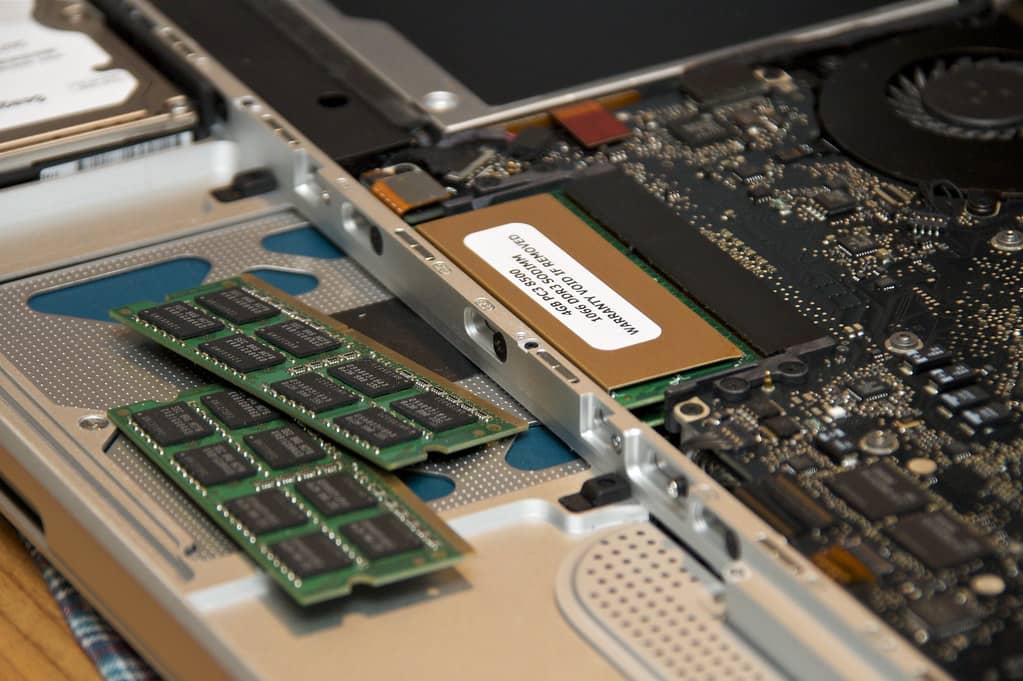
Here's the part that should surprise you if you assumed an 'AI stock selloff' means Nvidia getting clobbered. It didn't. The stocks that fell hardest were memory and storage names — SanDisk down about 9%, Micron down about 7%, Western Digital down 7.4% — plus a wider group of chip suppliers including Intel, Marvell, ARM Holdings, Coherent and Teradyne, all down 7% or more. Memory makers are already living through a squeeze: DRAM and NAND prices have roughly doubled this year as AI data centers outbid consumer electronics for the same fabs, the same shortage that's been driving up console and phone prices all summer. Stack a rate shock on top of a supply-demand shock, and memory stocks had nowhere to hide.
Nvidia's cushion — and who doesn't have one
Analysts split AI-adjacent stocks into two buckets after the selloff, and the split says a lot. Nvidia and Broadcom got filed under 'resilient' — both throw off enough free cash flow to fund their own growth without leaning on debt markets, so a rate spike barely touches their cost structure. On the other side: CoreWeave, Nebius, Applied Digital and, notably, Oracle — companies whose AI infrastructure buildouts depend on borrowed money, which gets more expensive every time the 30-year moves. Oracle was specifically called out as more vulnerable than Microsoft or Alphabet for exactly that reason — its cloud AI expansion runs on debt-financed capacity in a way Microsoft's and Google's doesn't need to.
who actually moved on Aug 18
SanDisk-9%
Western Digital-7.4%
Micron-7%
PHLX Semi Index-5%
Nasdaq Composite-1.33%
Memory and storage makers, not GPU leaders, took the biggest hit. · Unsplash
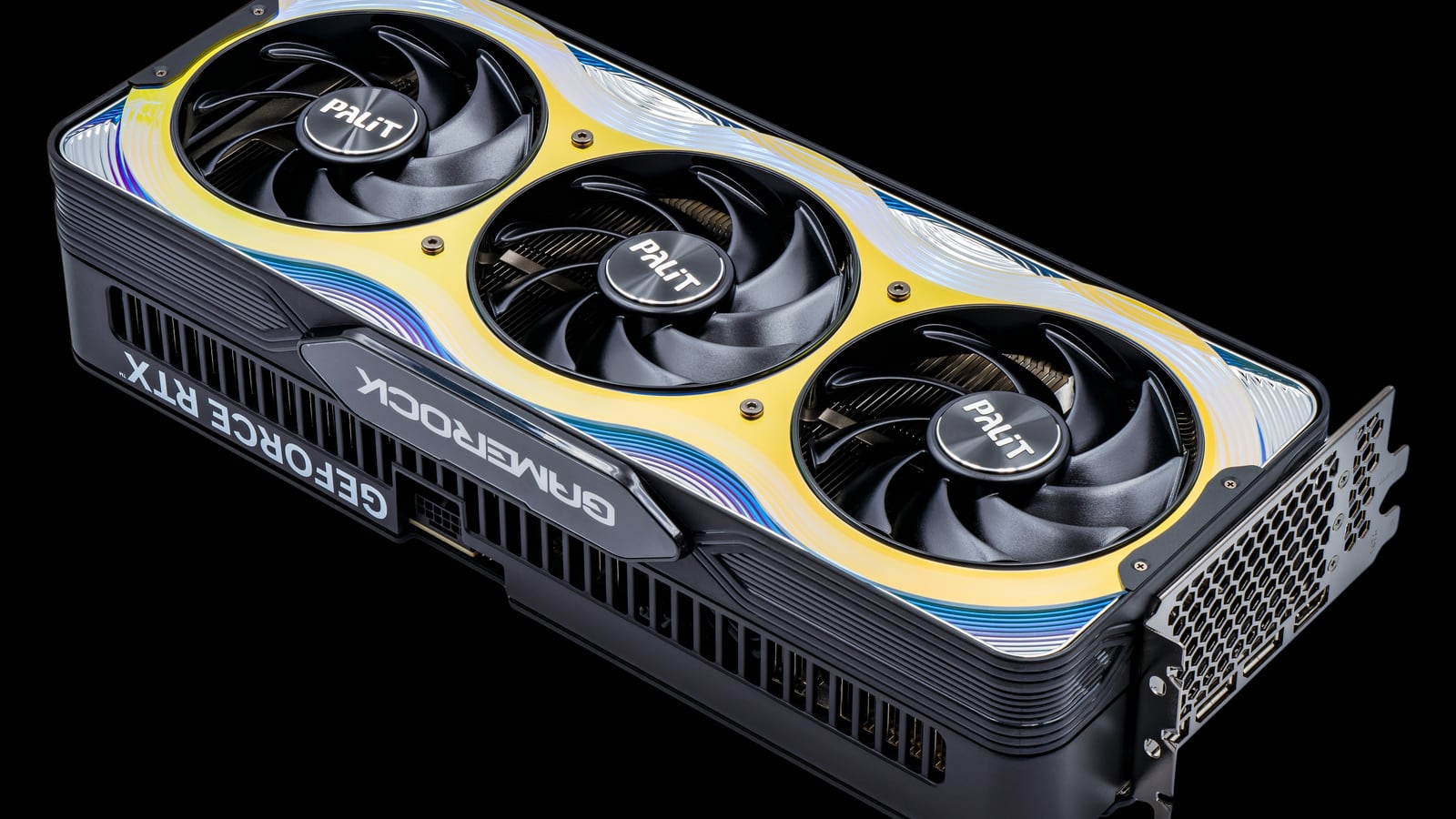
This isn't happening in isolation, either. Memory prices have already been reshaping what regular people pay for hardware all year — GPU prices have climbed as DRAM costs spiked, and Xiaomi just raised the price of its next flagship phone over the same memory shortage. A rate-driven stock selloff on top of a physical supply shortage is a genuinely unusual double squeeze, and it's the memory makers eating both ends of it.
Did Nvidia stock actually fall on August 18?
Nvidia dipped modestly along with the broader Nasdaq, but analysts specifically flagged it as one of the more resilient AI names — its cash flow means it doesn't need to borrow to fund growth the way some AI infrastructure companies do.
Why does a Treasury yield affect tech stocks at all?
A higher risk-free government bond yield makes future company profits worth less in today's dollars, and gives investors a safer place to put money instead of growth stocks.
Is this connected to the memory chip shortage?
Yes, indirectly — memory makers were already under pressure from AI data centers buying up DRAM and NAND supply, which is part of why memory stocks had less room to absorb an extra rate-driven shock.
What should I actually watch next?
Nvidia's next earnings report and guidance will show whether the AI capex story still holds up under higher borrowing costs — that's the real test, not one day's stock chart.
None of this means the AI trade is over — a single day of rate-driven selling isn't a verdict on the technology, and Nvidia's balance sheet genuinely is different from a company like CoreWeave's. But it's a useful stress test: when yields spike, the market didn't punish the company building the chips. It punished the companies that borrowed the most to buy them. Nvidia reports earnings soon, and that's when we'll find out if 5%+ borrowing costs actually change anyone's AI spending plans, or just their stock charts for a week.