For a decade, building saved you hundreds. In 2026, with component prices sky-high, prebuilts caught up. Here's the honest math on prebuilt vs building your own gaming PC.
Is it still worth building your own gaming PC in 2026?
It depends more than it used to. Building your own gaming PC in 2026 saves roughly $150-400 versus an equivalent prebuilt — real money, but far less than the big savings that made DIY a no-brainer for a decade. The gap narrowed because RAM and GPU prices spiked (AI demand), and large builders bought components in bulk before the surge, so some prebuilts are actually competitive on price now. So: build if you value control and want to save that $150-400 and enjoy the process; buy prebuilt if you want a warranty, tested reliability, and zero hassle. Here's the honest breakdown.
Why the gap closed
For years, the DIY pitch was simple: build it yourself and pocket the assembly markup. That's still true, but the margin shrank. The reason is the same memory crunch driving up everything — RAM is far pricier than it was, thanks to AI infrastructure demand, and GPU prices are elevated too. Meanwhile, big prebuilt makers ordered components in bulk before prices spiked, so retailers like Costco have prebuilts with solid specs at prices you literally cannot match buying the parts individually today. A DIY 1440p build — Ryzen 7, RTX 5070, 32GB DDR5-6000, 2TB Gen4 — runs about $1,300-1,600 in parts, and once you add a Windows license (~$139) and your own labor, an equivalent prebuilt is closer than it's ever been. The savings are real but modest now: roughly $150-400.
Prebuilt vs build your own (2026)
Cost (1440p tier)
~$1,300-1,600 parts
Build your own
~$150-400 more
Warranty
Per-part
Build your own
Single, sometimes lifetime
Time / effort
Hours of work
Build your own
Plug and play
Upgradeable
You know how
Build your own
You'll learn
Component control
Full
Build your own
Limited
Build your own
Prebuilt
Cost (1440p tier)
~$1,300-1,600 parts
~$150-400 more
Warranty
Per-part
Single, sometimes lifetime
Time / effort
Hours of work
Plug and play
Upgradeable
You know how
You'll learn
Component control
Full
Limited
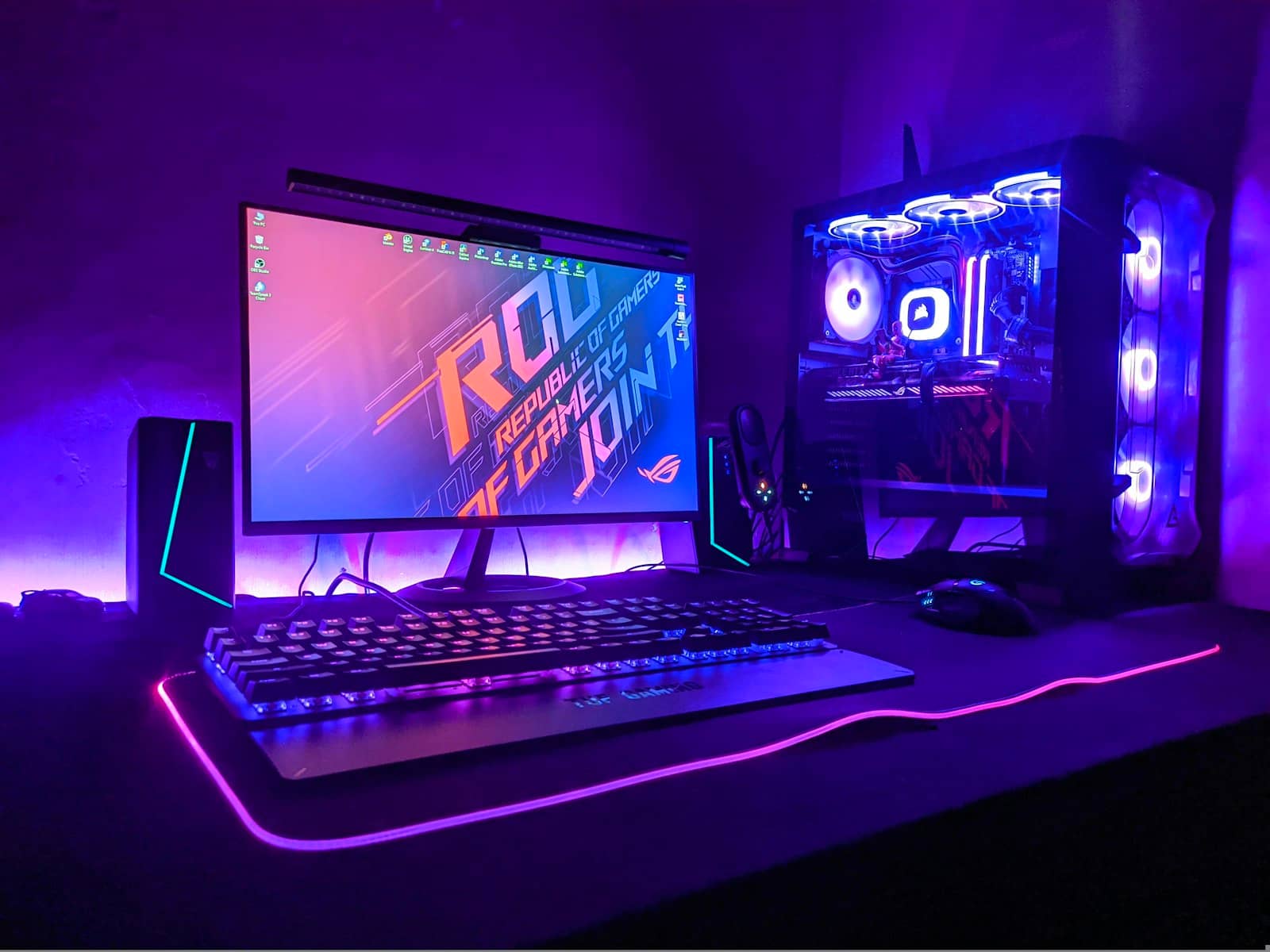
Building still saves money in 2026 — just $150-400, not the hundreds it once did. · Unsplash
So which should you do?
My honest advice splits by who you are. Build your own if you enjoy the process, want full control over every component (so you get quality parts, not the cheap PSU and RAM budget prebuilts sometimes hide), value per-part warranties, and want the skills to upgrade and repair it yourself later. That last part is underrated — a builder can swap a GPU in three years instead of buying a whole new machine. Buy a prebuilt if you'd rather not spend an evening cable-managing, you want one warranty to call (some builders offer lifetime parts-and-labor), and the $150-400 saving isn't worth the effort and risk to you. Both are valid in 2026 — the gap is small enough now that it's genuinely about your temperament, not just money. If you go DIY, our guide to how much to spend sets the tiers.
8/ 10
Verdict
Prebuilt vs build 2026
Building your own still saves money — but only ~$150-400 now, not the hundreds it once did, because component prices spiked and prebuilts bulk-bought early. Build for control, per-part warranties, and upgrade skills; buy prebuilt for a single warranty and zero hassle. It's closer than ever, so choose on temperament.
Best for: Anyone deciding between assembling a PC themselves or buying one ready-made.
Quick answers
Is it cheaper to build your own gaming PC in 2026?
Yes, but by less than before — building your own saves roughly $150-400 versus an equivalent prebuilt, not the hundreds it once did. The gap narrowed because RAM and GPU prices spiked due to AI demand, and large prebuilt makers bought components in bulk before the surge, so some prebuilts are now genuinely price-competitive. A DIY 1440p build runs about $1,300-1,600 in parts before a Windows license and your labor. Building still saves money, but the margin is modest now.
Should I buy a prebuilt or build a gaming PC?
Build your own if you want full component control, per-part warranties, the savings (~$150-400), and the skills to upgrade later — and if you enjoy the process. Buy a prebuilt if you'd rather avoid the assembly, want a single warranty (some offer lifetime parts and labor), and value tested reliability over the modest savings. In 2026 the price gap is small enough that it comes down to temperament: builders build for control, everyone else can reasonably buy a reputable prebuilt.
How much does a good gaming PC cost to build in 2026?
A solid 1440p gaming build — a Ryzen 7 CPU, RTX 5070, 32GB DDR5-6000, and a 2TB Gen4 SSD — costs roughly $1,300-1,600 in parts, before a Windows license (~$139) and your own time. A build that used to come in under $1,000 now pushes closer to $1,250, because RAM and GPU prices are historically high. Budget entry-level 1080p builds start around $800-1,000, and high-end 4K builds run $2,000 and up.