Nvidia's own MSRP for the RTX 5070 Ti hasn't officially moved. Its board partners' prices have. MSI's distributor sheet for the Gaming Trio OC model jumped from ¥8,199 to ¥9,699 in a single update — an 18.3% week-over-week increase — and Colorful's premium configurations are now landing as much as 59% above Nvidia's original China launch price. Neither company is quoting US or EU retail yet. Distributor sheets in China move first, and on this GPU generation, they've been an accurate preview of what shows up on Best Buy and Amazon a few weeks later.
It's worth being precise about what actually changed here, because it's easy to read '59% over MSRP' as a retail sticker shock that hasn't happened. MSI and Colorful sell to distributors, not directly to you. What moved is the wholesale input cost — the number a retailer pays before it adds its own margin and puts a card on a shelf. That's not the same as a price tag changing overnight. It is, historically, the thing that predicts one.
What actually moved
RTX 5090 D v2 Ventus 3X OC (MSI)
Card / partner
¥22,999 (~$3,396)
Before
¥25,999 (~$3,839)
Now
+13%
RTX 5080 Gaming Trio OC (MSI)
Card / partner
¥10,999 (~$1,624)
Before
¥12,999 (~$1,919)
Now
+18.2%
RTX 5070 Ti Gaming Trio OC (MSI)
Card / partner
¥8,199 (~$1,210)
Before
¥9,699 (~$1,432)
Now
+18.3%
RTX 5070 Ti Vulcan W OC (Colorful)
Card / partner
Nvidia China MSRP baseline
Before
up to 59% over MSRP
Now
highest premium tier
Card / partner
Before
Now
Change
RTX 5090 D v2 Ventus 3X OC (MSI)
¥22,999 (~$3,396)
¥25,999 (~$3,839)
+13%
RTX 5080 Gaming Trio OC (MSI)
¥10,999 (~$1,624)
¥12,999 (~$1,919)
+18.2%
RTX 5070 Ti Gaming Trio OC (MSI)
¥8,199 (~$1,210)
¥9,699 (~$1,432)
+18.3%
RTX 5070 Ti Vulcan W OC (Colorful)
Nvidia China MSRP baseline
up to 59% over MSRP
highest premium tier
Why this always starts in China
Distributors reprice on a weekly cadence tied to spot memory costs, with none of the marketing commitments or inventory buffers a US retail chain builds into its pricing calendar. But GDDR7 in a China-bound card is the same GDDR7 in a US-bound one — memory is a global commodity, not a regional one. We've tracked this exact mechanism twice already this year: Nvidia's RTX 5080 already costs more than the RTX 5090's launch price, and the RTX 5060 saw the same distributor-first pattern a few weeks earlier. Both times, US retail followed within about a month.
What this means if you're buying for local AI, not gaming
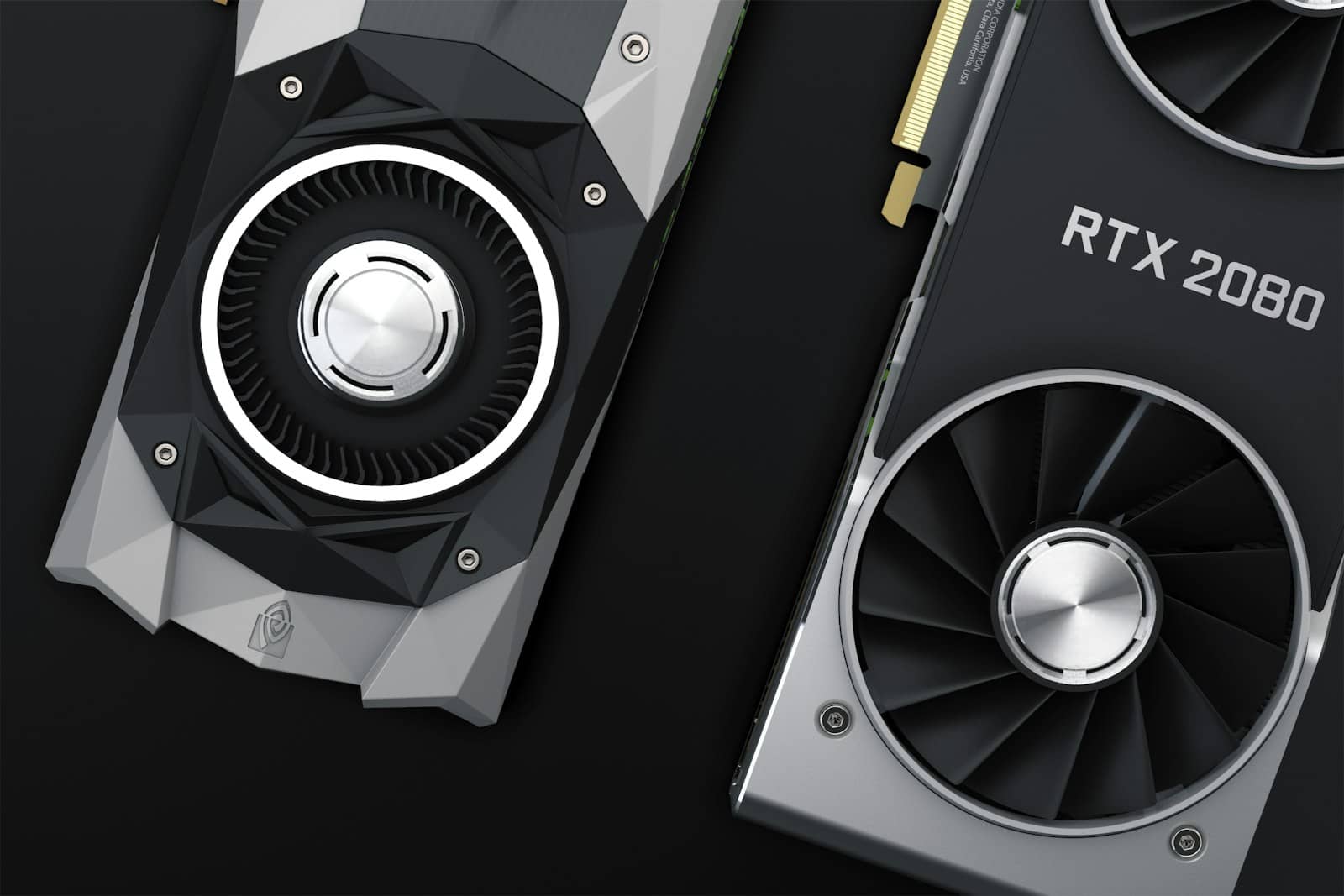
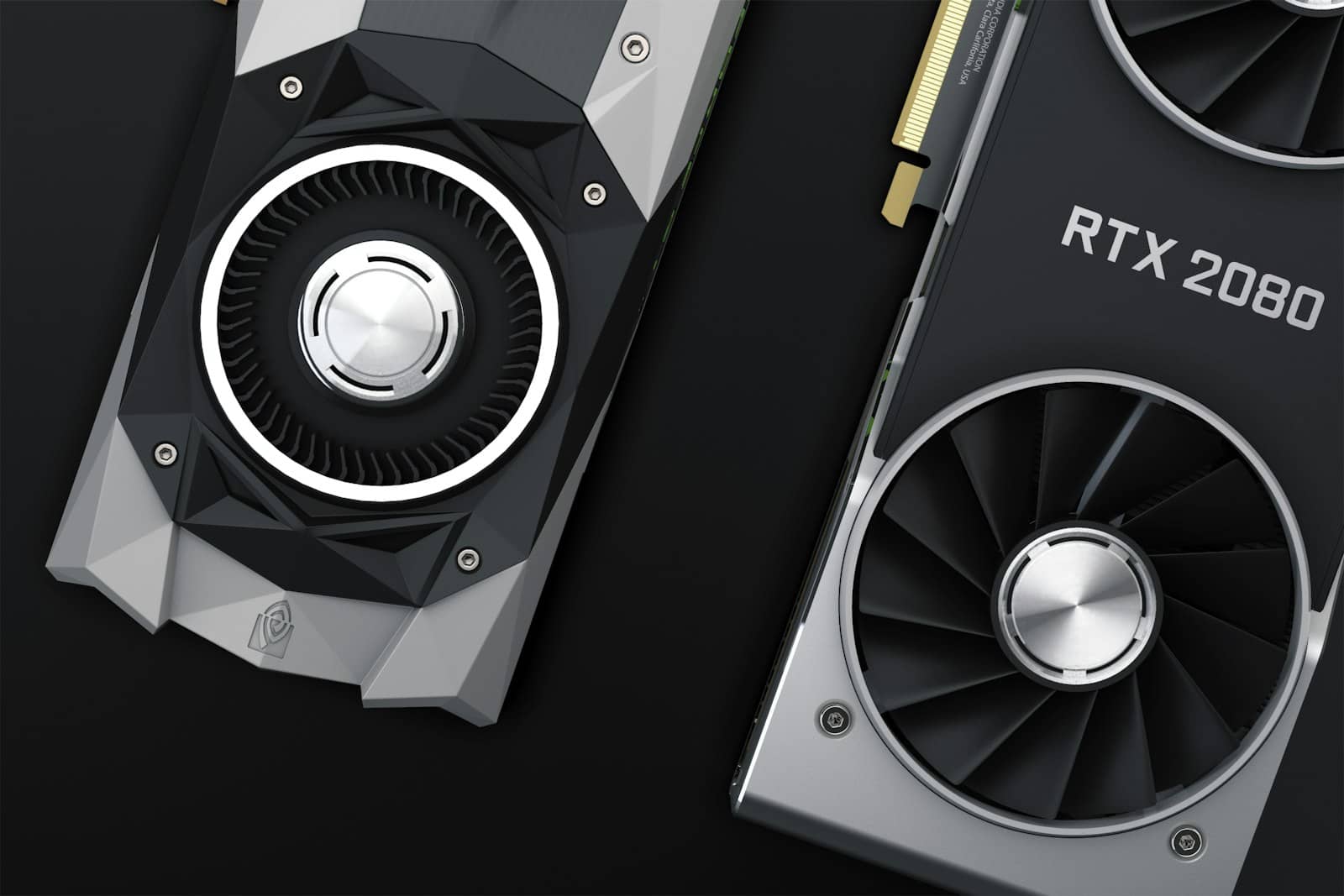
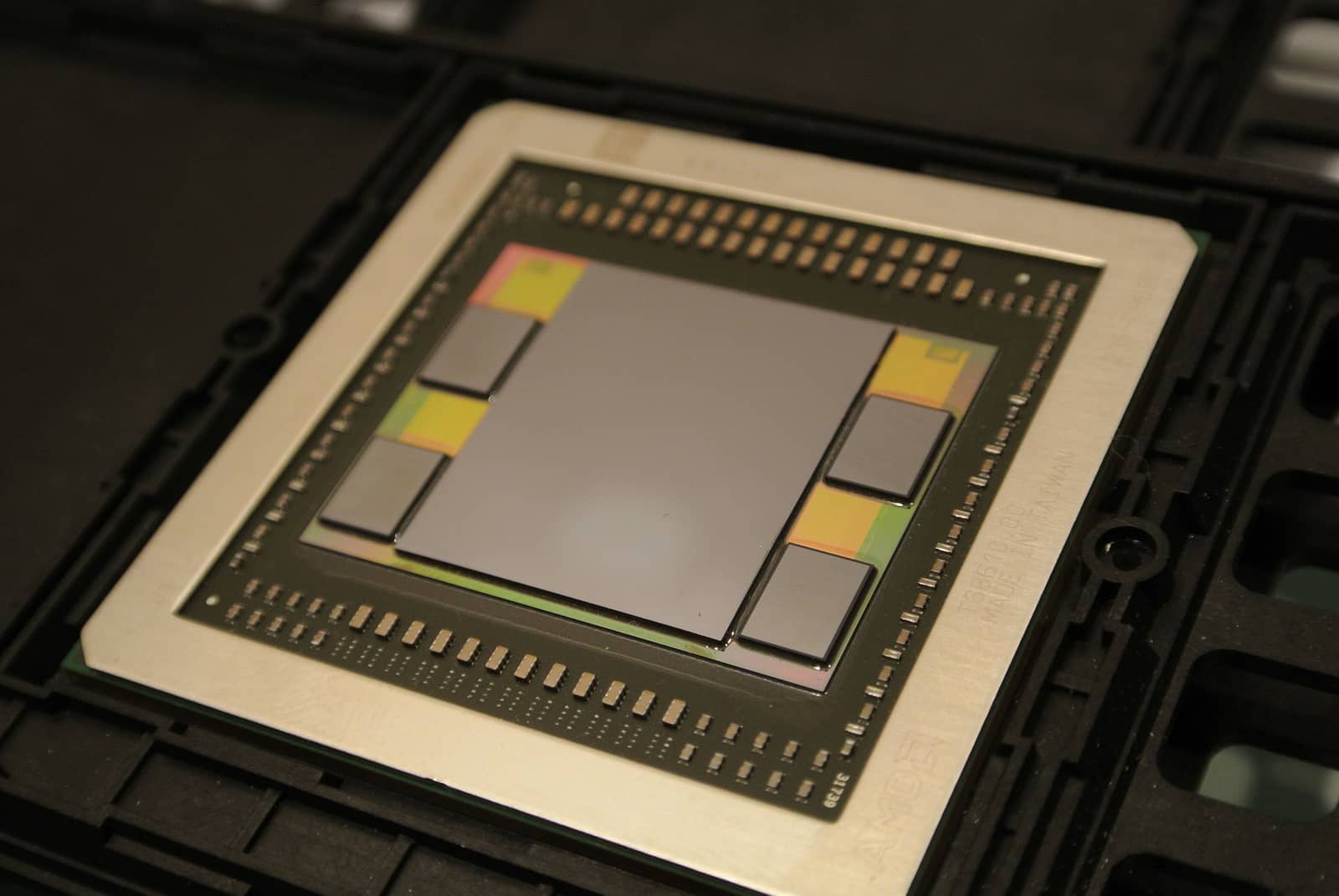
GDDR6 and GDDR7 memory costs are the line item behind every RTX 50-series price increase in 2026. · Unsplash
Recheck the actual retailer price against Nvidia's $749 MSRP baseline before you buy — 'on sale' can still be above MSRP this year.
If 16GB VRAM is a hard requirement for your model size, compare a used RTX 4090 (24GB) against a new 5070 Ti at today's price, not last month's.
Don't assume this stays a China-only story — both prior 2026 distributor hikes reached US/EU retail within about a month.
If you can genuinely wait a quarter or more, wait. If you need it in the next few weeks, buying now beats betting against a trend that's been right all year.
Is this a price increase from Nvidia directly?
No — Nvidia's official MSRP hasn't changed. This is board partners MSI and Colorful raising what they charge distributors, which is the step before a retail price change, not the change itself.
Will this reach US and European retail?
Not confirmed yet, but the pattern held for the two prior China distributor hikes this year — both showed up in US/EU retail within roughly a month.
Why does memory keep getting more expensive?
GDDR6 and GDDR7 supply is being squeezed by AI server demand competing for the same memory fabs, layered on top of ordinary component cost inflation.
Should I buy a 5070 Ti now or wait?
If you need the card in the next month or two, buying now avoids betting against a trend that's been correct all year. If you can genuinely wait a quarter or more, watch for the retail-side move rather than assuming a drop.
6/ 10
Verdict
Buy now or wait?
If you're buying a 5070 Ti for its 16GB of VRAM — gaming or local AI — I'd buy at today's US price rather than wait for a discount, because every wait this year has been rewarded with a higher price, not a lower one. That's not a guess about the future; it's what happened the last two times.
Best for: buyers who need 16GB VRAM now and have already budgeted for it
None of this is really about the RTX 5070 Ti specifically. It's about a memory market that's tight across the entire RTX 50 lineup, and a pricing pattern — China distributors first, Western retail a few weeks later — that's now held twice in 2026. Whether a third confirmation shows up on a US shelf by September is the thing actually worth watching, not the exact percentage on a Chinese distributor sheet this week.