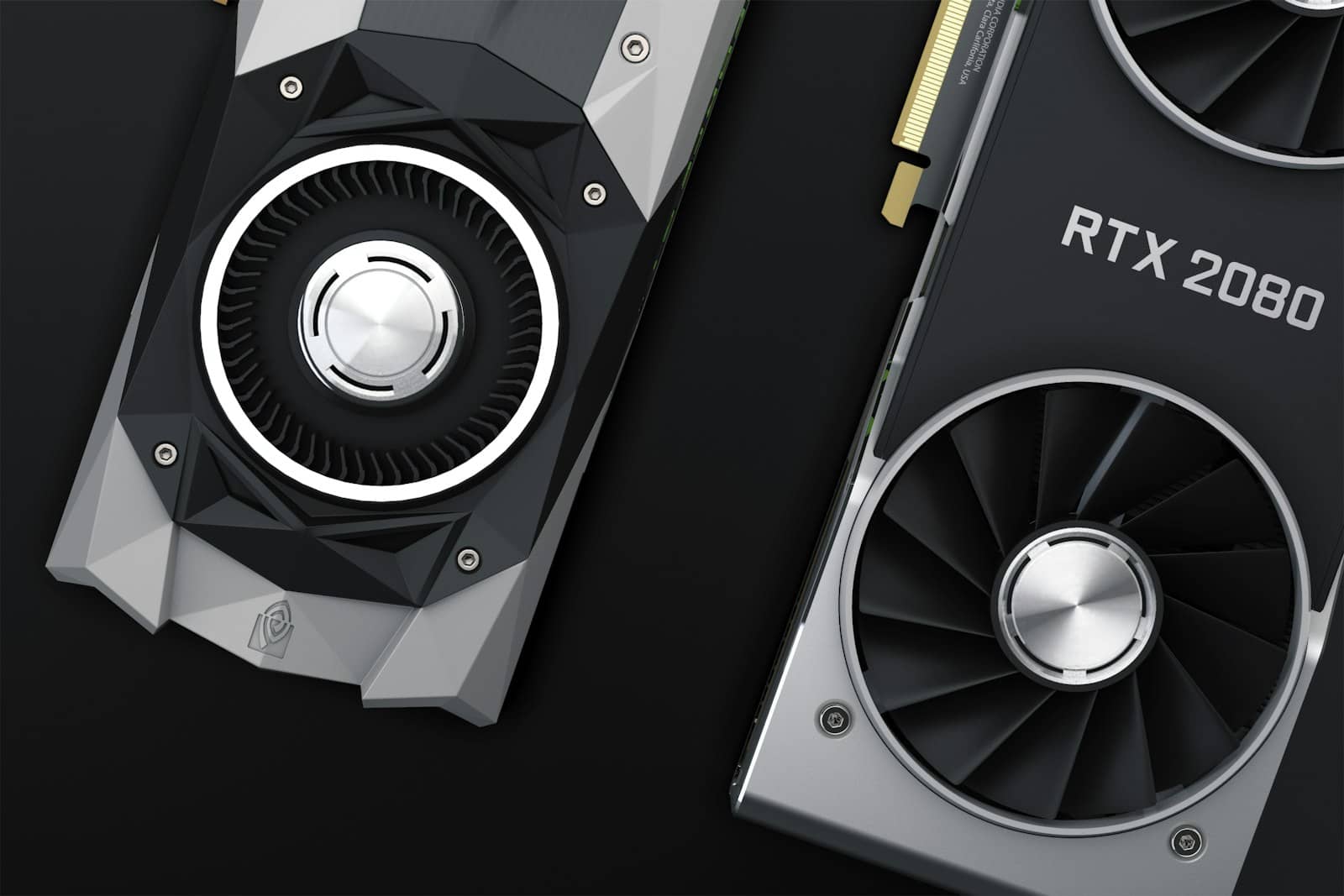
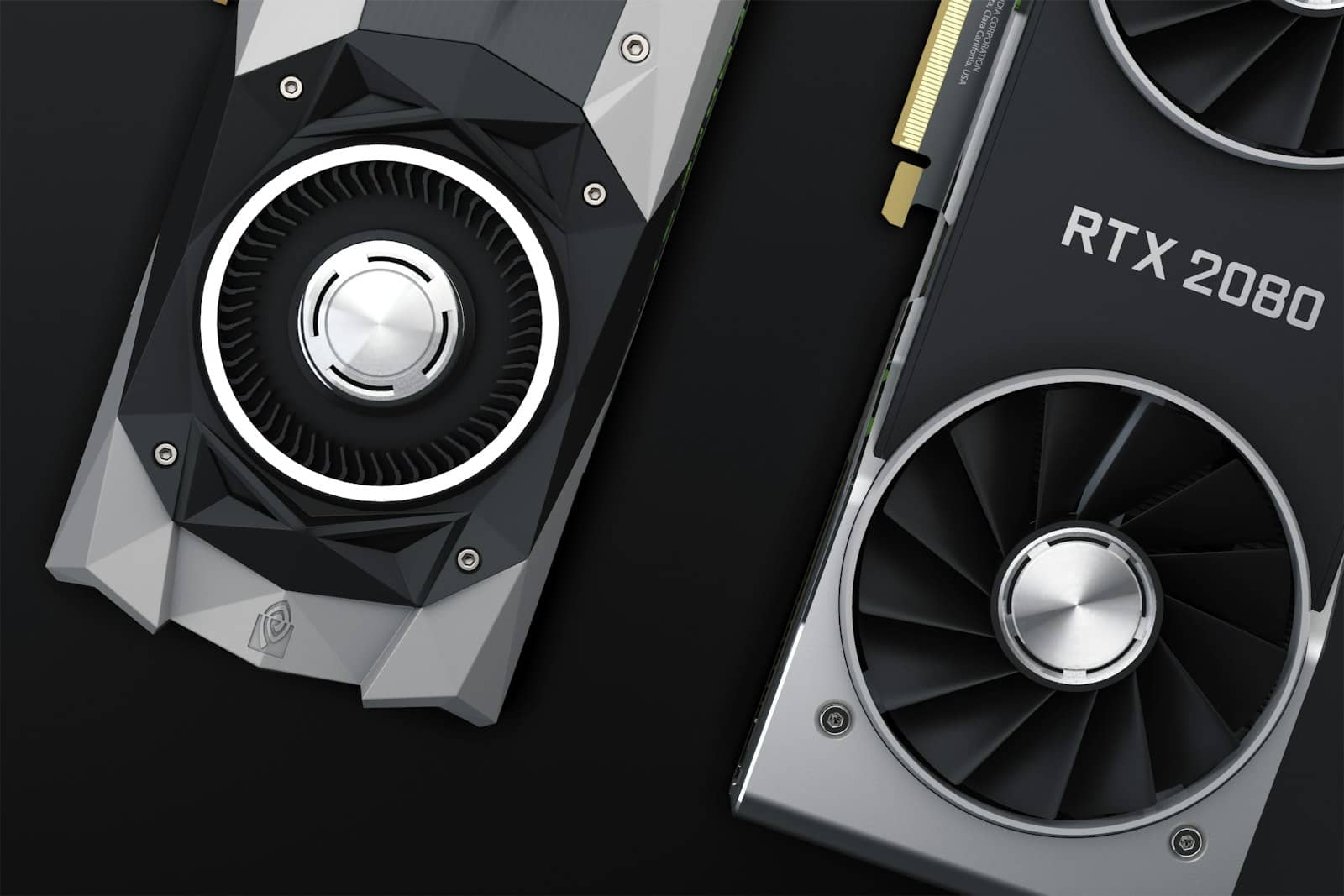
Best Buy is currently selling an ASUS ROG Astral RTX 5080 for $2,099.99. Nvidia's own RTX 5090 — a full tier above it, with double the VRAM — launched at $1,999. Read that again: the mid-range card now costs more than the flagship did on its first day on shelves. That's not a limited collector's SKU or a scalper listing. It's the retail price of a 5080 at one of the biggest electronics chains in the US, and per Tom's Hardware, it's the direct result of Nvidia's third GPU price hike of 2026.
Why a graphics card's price depends on a memory company's earnings call
Nvidia doesn't sell board partners a bare GPU chip. It sells a bundle — the die plus the GDDR7 (or GDDR6, on cheaper tiers) memory that ships soldered to the board — and that bundle price is set centrally. When the memory half of that bundle gets more expensive, every card built on it does too, from a $300 RTX 5060 to a $2,000 RTX 5090. And memory has gotten a lot more expensive this year: Samsung has raised DRAM and GDDR pricing three separate times in 2026 as AI datacenters keep eating the supply that used to go to consumer electronics, per TrendForce.
Samsung's 2026 DRAM price hikes, quarter by quarter
Q1 2026+90%
The steepest single jump of the year
Q2 2026+50–60%
Focused mainly on server and mobile memory
Q3 2026+20%
This is the one hitting GPU shelves right now
That third figure is the one that matters here. Nvidia's January hike was 10–15%, and it mostly touched high-end SKUs. May's was narrower still — basically an RTX 5090-only adjustment. This one is different: according to Wccftech, increases of up to 30% now span cards using GDDR6 as well as GDDR7 — meaning budget and mid-range buyers are getting hit for the first time this year, not just the people already spending $2,000.
What to actually do if you need a GPU this month
Stop anchoring to MSRP. Nvidia hasn't honored its own launch prices since January — compare today's street price to six weeks ago, not to a number that's already fiction.
If your current RTX 30- or 40-series card still does the job, this is the year to sit on it rather than upgrade for a marginal frame-rate gain.
Watch what AMD does next. RDNA 4 cards run GDDR6, which is also up in price — but AMD has more margin to absorb before it needs to pass costs on.
4
If you have to buy today, buy one tier below what you planned. The price-per-frame math changed under everyone this quarter.
The 2026 GPU market in one image: sticker prices that no longer match what Nvidia announced at launch. · Unsplash
This has happened twice already this year — just never to the whole lineup at once
Nvidia's GeForce price hikes in 2026
January 2026
First hike of the year, roughly 10–15%, concentrated on high-end cards.
May 2026
Second hike, narrower still — mostly an RTX 5090-specific increase.
July 2026
Third hike, up to 30%, and the first to reach GDDR6 budget cards as well as the flagship GDDR7 tier.
It's worth connecting this to something Nvidia already did quietly: the company finished building a cheaper, 16GB RTX 5070 Super months ago and simply didn't ship it. Read next to this week's hike, that decision looks less like caution and more like a company managing memory cost exposure card by card. A finished product with a lower price point keeps getting shelved while everything already on shelves gets more expensive — that's the actual story, not any single SKU.
Verdict
Buy now or wait?
If you can hold off, hold off — I don't expect relief this year, though that's my read of the pattern, not a guarantee anyone's making. If you genuinely need a GPU this month, buy exactly the card you need and stop optimizing for a 'good deal' that isn't coming. Check real price history before you trust a discount either way — a 10% markdown off an already-inflated price isn't the deal it looks like.
Best for: Anyone shopping for a GPU in the next 4–6 weeks, budget or flagship.
Quick answers
Will RTX 50-series prices come back down?
Nobody's promising that, and I wouldn't bet on it in 2026 — this is Nvidia's third hike in seven months, and Samsung's memory pricing hasn't shown signs of easing in any reporting so far.
Is this actually Nvidia's fault?
Only partly. The proximate cause is Samsung's DRAM and GDDR pricing, which Nvidia is passing through in its GPU-plus-memory bundles to board partners. Choosing to pass that cost straight to buyers rather than absorb any of it is the part that's on Nvidia.
Should I just buy an RTX 40-series card instead?
If you can find one at a price that hasn't moved with this hike, it's worth comparing directly — check what a 4K-focused build actually needs before assuming newer automatically means better value right now.
Are AMD's cards affected too?
Some exposure is likely since RDNA 4 also uses GDDR6, but AMD hasn't announced a comparable hike yet — that's the one worth watching next.
The honest read here isn't 'GPUs got more expensive' — it's that the GPU market is now downstream of the memory market in a way it wasn't two years ago. Every card on every shelf is priced by how much DRAM cost that week, and DRAM is being bought up by the same AI buildout this site covers on the model side. Nvidia's next earnings call is worth watching if you're holding out for a specific card.