A used RTX 3090 in August 2026 costs about the same as a brand-new RTX 5060 Ti 16GB — somewhere in the $600-800 range for a decent-condition 3090 versus roughly $490-570 street for a new 5060 Ti. One gives you 24GB of VRAM on five-year-old silicon with no warranty. The other gives you 16GB of current-generation GDDR7, a receipt, and a power bill that's dramatically smaller. I priced both out properly, including what they actually cost to run, because the sticker price alone doesn't tell you which is the better buy.
The numbers on paper
RTX 3090 (used) vs RTX 5060 Ti 16GB (new)
VRAM
Spec
24GB GDDR6X
RTX 3090 (used)
16GB GDDR7
Memory bandwidth
Spec
936 GB/s
RTX 3090 (used)
448 GB/s
TDP
Spec
350W
RTX 3090 (used)
180W
Price, Aug 2026
Spec
~$600-800 used
RTX 3090 (used)
~$490-570 new
Warranty
Spec
None, typically
RTX 3090 (used)
Full manufacturer warranty
Multi-GPU
Spec
NVLink capable
RTX 3090 (used)
No NVLink
Spec
RTX 3090 (used)
RTX 5060 Ti 16GB (new)
VRAM
24GB GDDR6X
16GB GDDR7
Memory bandwidth
936 GB/s
448 GB/s
TDP
350W
180W
Price, Aug 2026
~$600-800 used
~$490-570 new
Warranty
None, typically
Full manufacturer warranty
Multi-GPU
NVLink capable
No NVLink
Bandwidth matters as much as capacity here. At 936 GB/s the 3090 doesn't just hold more — it moves data more than twice as fast as the 5060 Ti's 448 GB/s, which is the RTX 5060 Ti's real weak point once you're past small models. Hardware Corner's benchmarks on the 5060 Ti 16GB show it handling smaller models well, but token generation drops off noticeably as you push toward the edge of what 16GB can hold.
What actually fits at each VRAM tier
24GB comfortably holds a 32B model at Q4 quantization with room left for a real context window, and two 3090s bridged over NVLink reach 48GB — enough for a full 70B model, the same math behind our guide on whether you need two GPUs for local AI. 16GB, by contrast, comfortably covers everything up to roughly 12B-14B parameters — Gemma 3 12B fits in about 6.6GB at Q4, leaving the 5060 Ti plenty of headroom. Push toward 32B on 16GB and you're at 15-18GB of weights alone, before context — it doesn't fit, full stop.
The power bill nobody puts in the spec sheet
Run either card for local inference eight hours a day, every day, and the 3090's extra 170W adds up: back-of-envelope, that's roughly 500 extra kilowatt-hours a year over the 5060 Ti. At US residential rates around $0.15/kWh that's about $75 a year; at typical European rates closer to $0.35/kWh, it's closer to $175. That's not a measured number — it's arithmetic on the rated TDPs, and real-world draw depends heavily on how often the card is actually generating tokens versus idle. But it's real money, and it's the part of 'buy the cheap used card' that people forget to budget for.
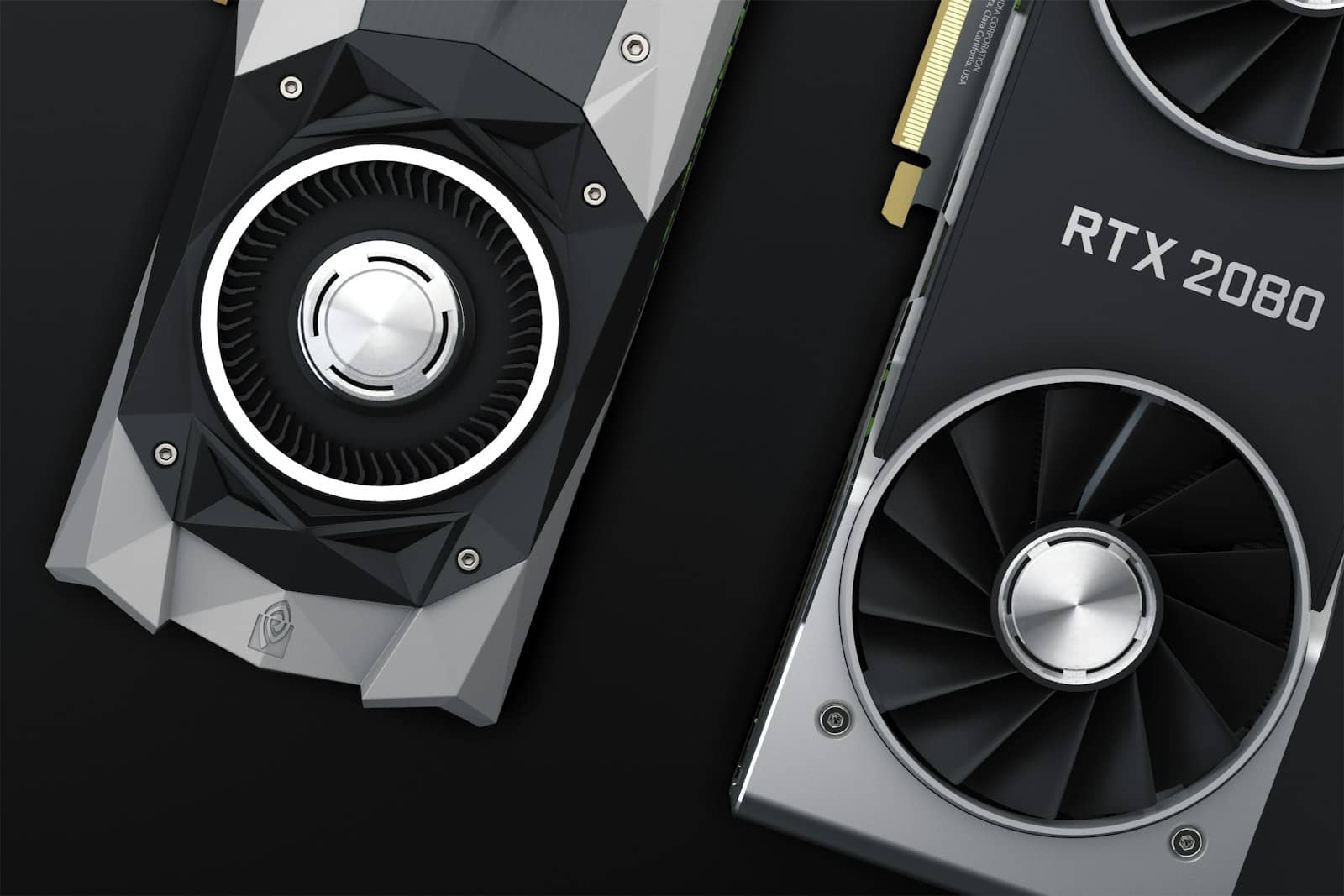
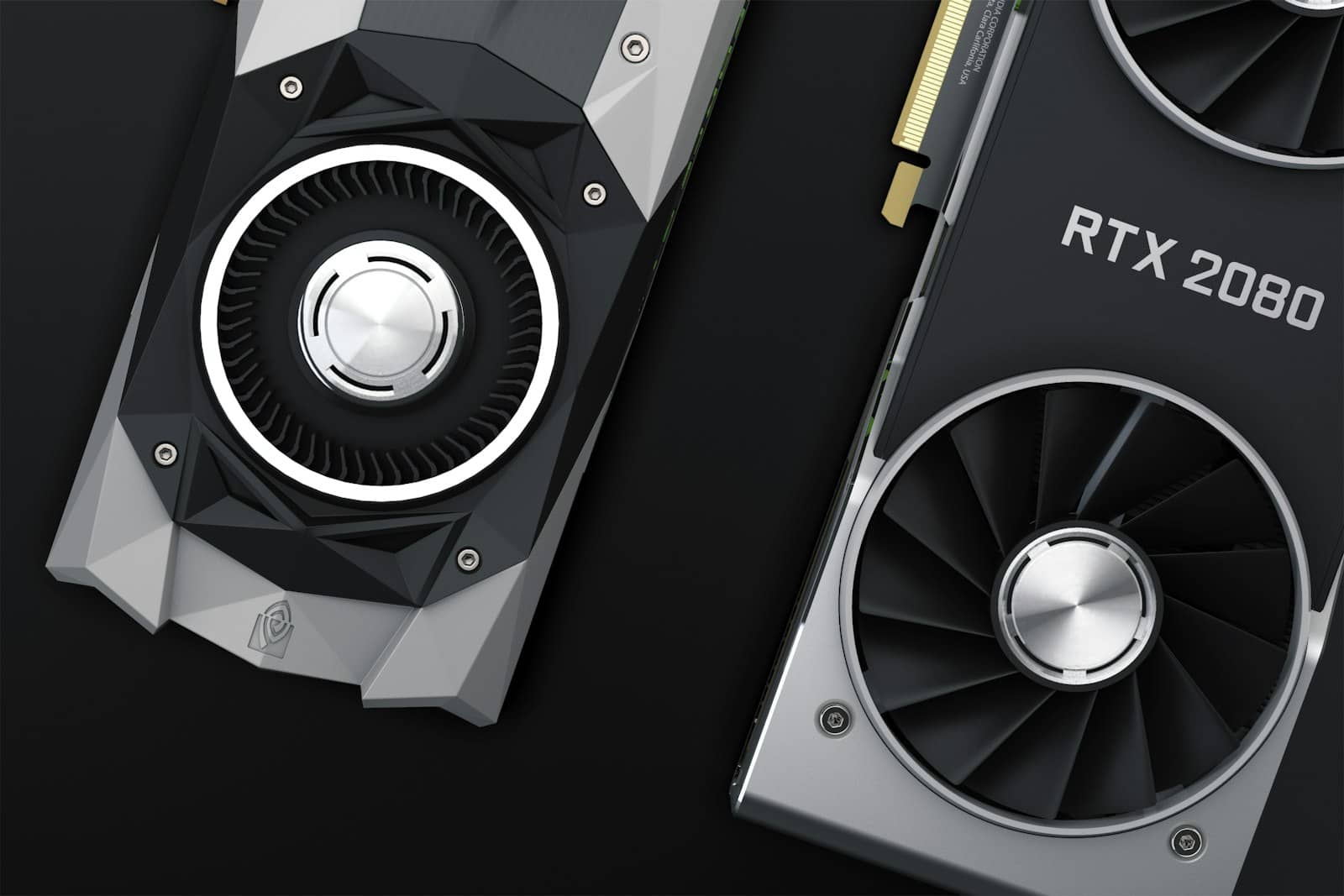
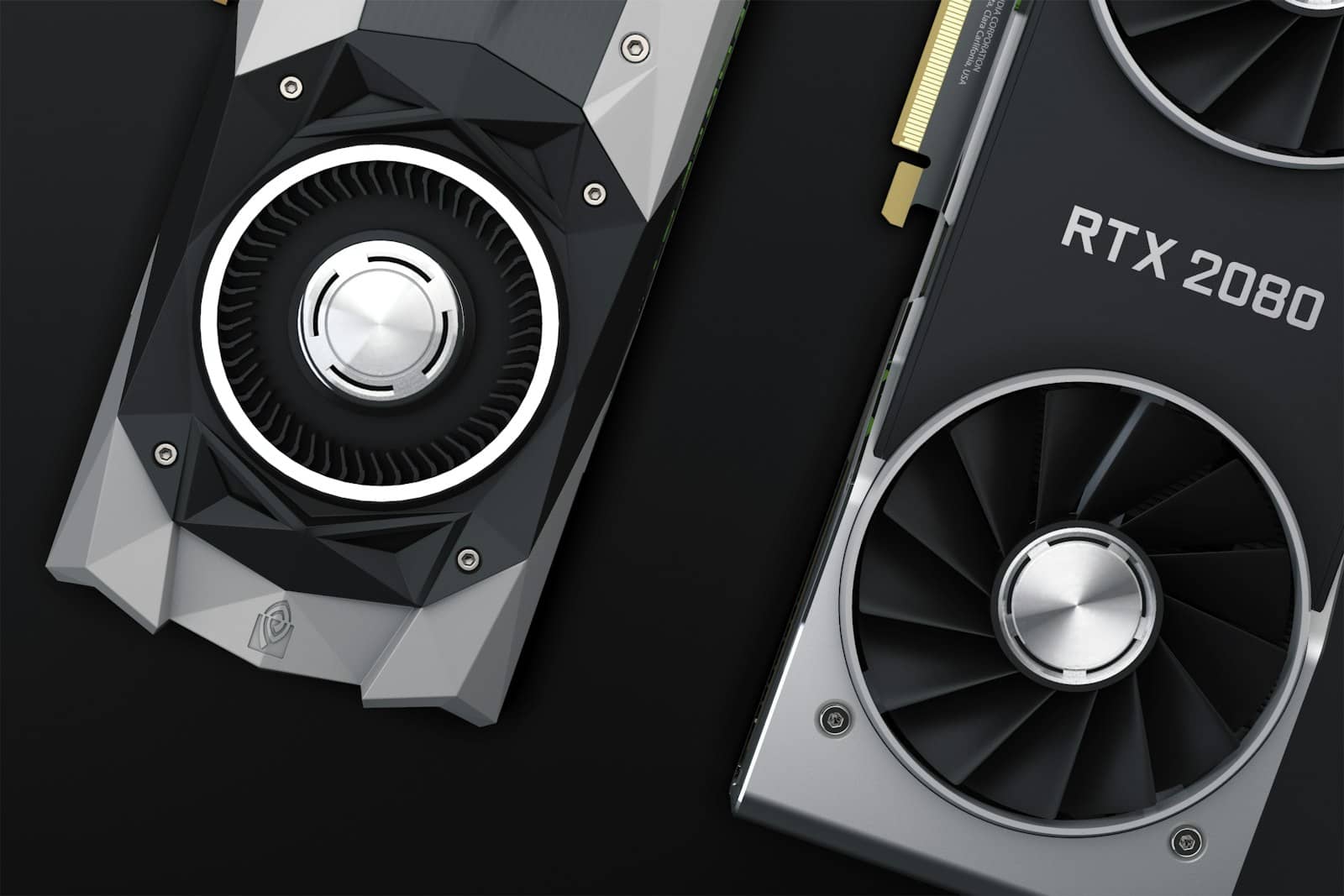
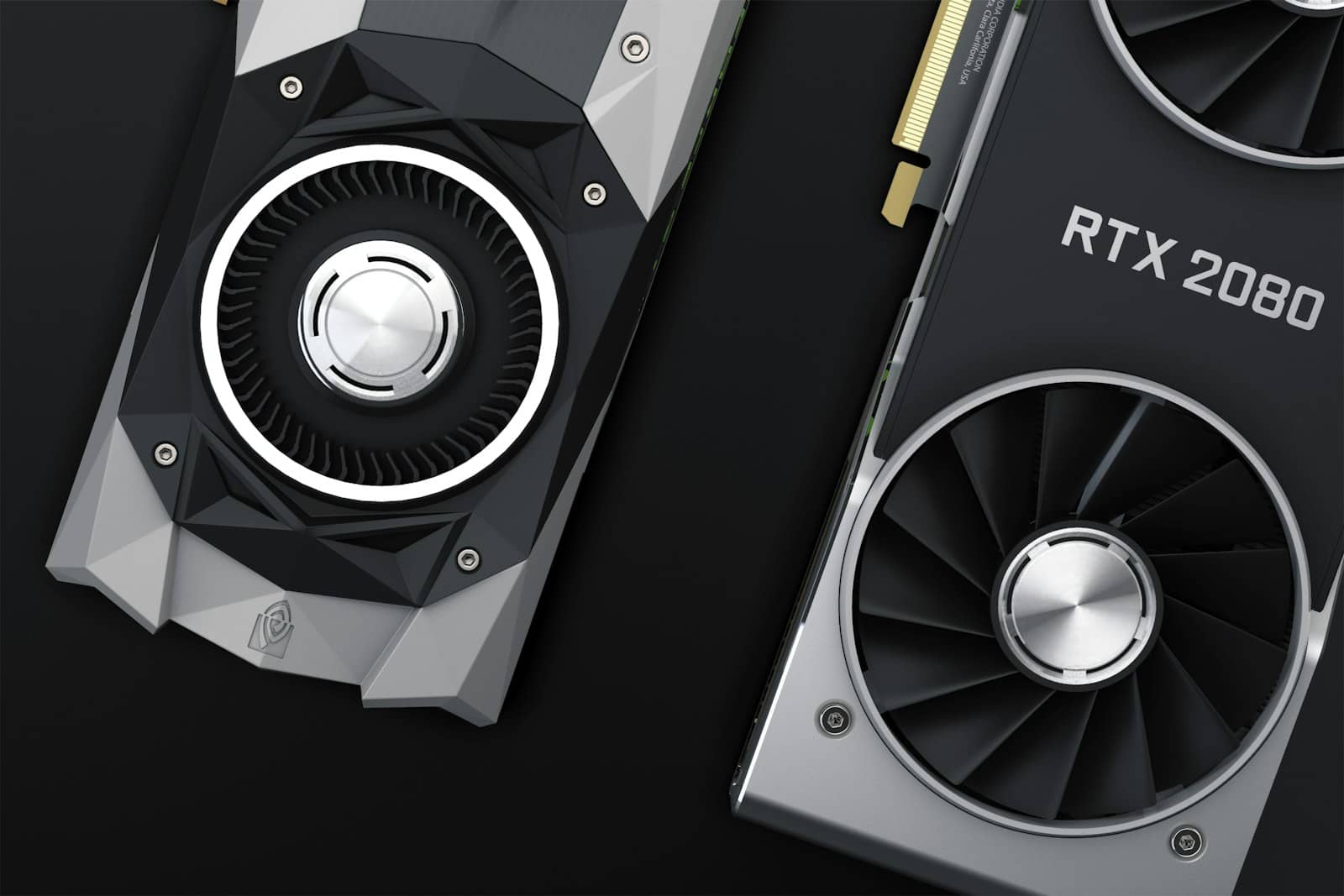
The RTX 3090's 350W draw versus the RTX 5060 Ti's 180W is the cost difference nobody puts on the price tag. · Unsplash
My actual take
If you know you want to run 30B-class models — or you're eyeing a two-card NVLink setup for 70B down the line — the used 3090 is still the better dollar-per-gigabyte deal in 2026, and xda-developers reached the same conclusion independently. I'd buy one for that specific use case. But for most people who'll actually run 8B-14B models day to day, the RTX 5060 Ti 16GB is the smarter buy: a warranty, half the power draw, and current-generation efficiency a five-year-old Ampere card just doesn't have. Bigger isn't automatically better if you're never going to use the extra 8GB.
Who should buy which
7/ 10
Verdict
Used RTX 3090 vs RTX 5060 Ti 16GB
Buy the used 3090 if you specifically need 24GB+ for 30B-class models or a future NVLink pair. Buy the new 5060 Ti 16GB if you're staying at 14B and under and want a warranty plus a much smaller power bill.
Best for: Local-AI builders choosing between more used VRAM and less new VRAM
Is a used RTX 3090 still worth buying in 2026?
Yes, for its VRAM-per-dollar specifically — 24GB at $600-800 used beats almost anything Nvidia sells new under $1,000. The tradeoff is no warranty and 350W of power draw.
Can the RTX 5060 Ti 16GB run 32B models?
Not comfortably. A 32B model needs roughly 15-18GB of VRAM at Q4 before accounting for context, which leaves little to no room on a 16GB card.
Do two RTX 5060 Ti cards make sense instead of one 3090?
The 5060 Ti doesn't support NVLink, so two cards don't pool VRAM the same way — see our breakdown on running local AI without NVLink for how multi-GPU actually works for inference.
How much does electricity actually add to a local AI GPU's cost?
It depends heavily on usage hours and local rates — see our full breakdown in local LLM electricity cost for measured numbers rather than back-of-envelope TDP math.
Neither of these is a wrong answer, which is rarer than it sounds in GPU shopping. My honest guess is that the used 3090 stays the value king for another generation at least — Nvidia has no obvious incentive to ship 24GB at this price point again anytime soon. If you're still narrowing down VRAM tiers generally, our full best-GPU-for-local-AI guide is the place to start before you commit to either of these.