Three of the best open models, three different strengths. gpt-oss is the cost-effective all-rounder, Qwen3 owns coding, DeepSeek owns hard reasoning. Here's how to pick for your work.
These are the three open models people actually argue about in 2026, and the honest answer is they each win a different job.[gpt-oss](/is-gpt-oss-good-for-local-ai-2026) is the cost-effective all-rounder — its 120B reaches ~90% of DeepSeek's reasoning at 3-5× lower deployment cost, and its 20B runs on a 16GB card. [Qwen3-Coder](/is-qwen3-coder-worth-it-2026) owns coding — it's the strongest local coding family, scoring 58.7% on SWE-bench Verified with a 256K context on a single 24GB GPU. DeepSeek owns hard reasoning and algorithmic work — the benchmark ceiling for logic, math, and competitive-programming-style problems. So don't ask 'which is best' — ask 'best for what?' Here's the breakdown by task and hardware.
By task: coding, reasoning, or all-round
Pick by what you'll actually do. For coding, Qwen3-Coder is the one to beat — it's the strongest local coding family in 2026, handling instruction-following, fill-in-the-middle, multi-language generation, and repository-level reasoning at every size, with a standout 58.7% on SWE-bench Verified and a huge 256K context (great for whole-codebase work) that fits on a single 24GB card. For hard reasoning, math, and algorithmic problems, DeepSeek leads — it's the reasoning ceiling among open models, pulling ahead on competitive-programming-style benchmarks; if you do data science, LeetCode-style problems, or logic-heavy work, it's the pick. For cost-effective all-round use, gpt-oss is compelling — the 120B gets you ~90% of DeepSeek's reasoning far more cheaply, and the 20B is the most accessible of the three (16GB). One nuance: for coding, DeepSeek's V3.2 is very close behind Qwen3-Coder and actually leads on competitive-programming benchmarks — so 'coding' isn't monolithic either (general dev → Qwen, algorithmic → DeepSeek).
Which open model, by job
General coding / dev
Your main job
Qwen3-Coder
Best pick
58.7% SWE-bench, 256K context, 24GB
Hard reasoning / math
Your main job
DeepSeek
Best pick
The reasoning ceiling
Cost-effective reasoning
Your main job
gpt-oss-120b
Best pick
~90% of DeepSeek, cheaper
Accessible / 16GB GPU
Your main job
gpt-oss-20b
Best pick
Runs at home, fast
Your main job
Best pick
Why
General coding / dev
Qwen3-Coder
58.7% SWE-bench, 256K context, 24GB
Hard reasoning / math
DeepSeek
The reasoning ceiling
Cost-effective reasoning
gpt-oss-120b
~90% of DeepSeek, cheaper
Accessible / 16GB GPU
gpt-oss-20b
Runs at home, fast
Qwen3-Coder owns coding, DeepSeek owns hard reasoning, gpt-oss is the cost-effective all-rounder. · Unsplash
By hardware: what you can actually run
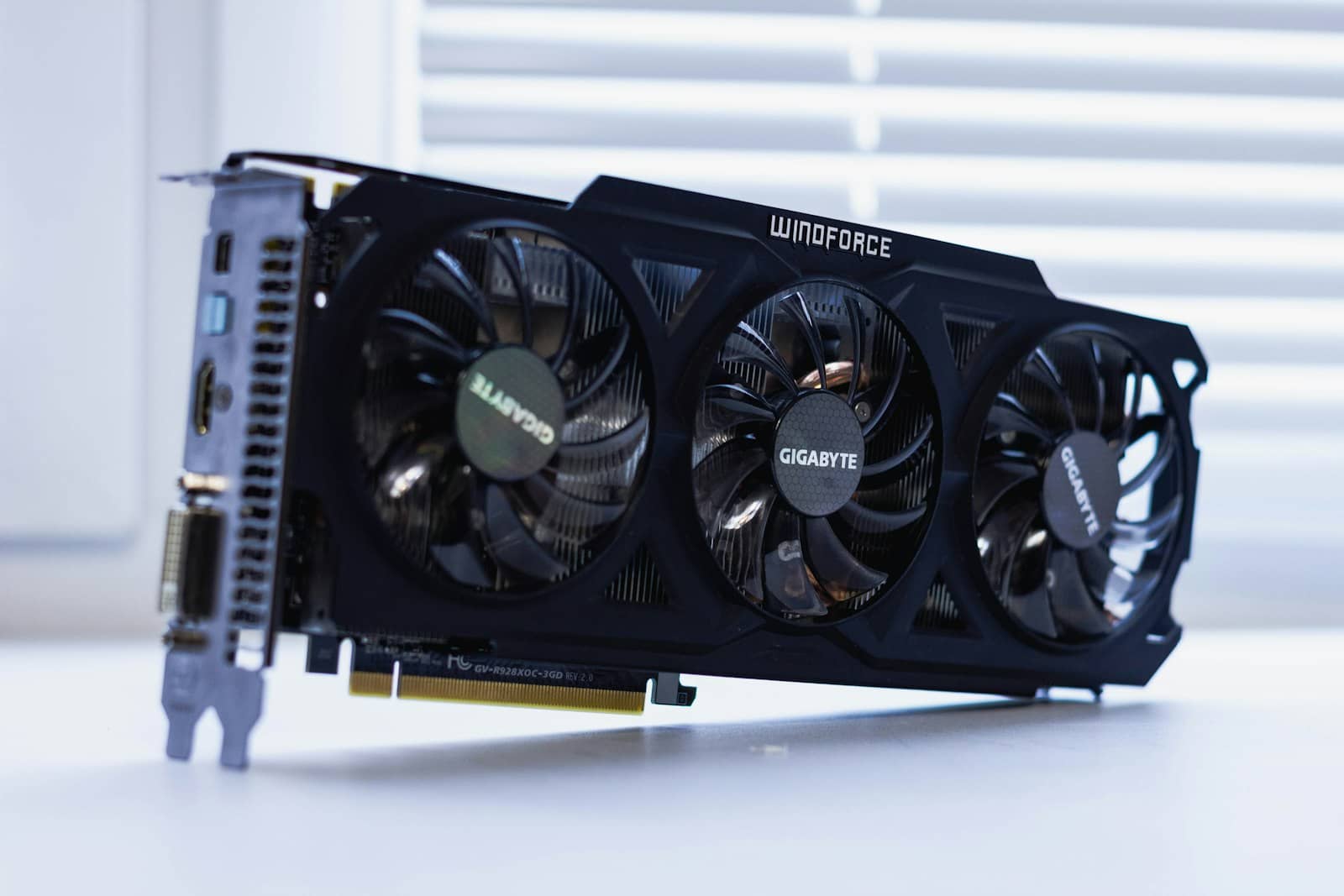
Your GPU narrows the field fast. On a [16GB card](/best-local-llm-16gb-vram-2026), your realistic strong options are [gpt-oss-20b](/can-you-run-gpt-oss-20b-locally-2026) or a Qwen3 8-14B — DeepSeek's and Qwen's big variants won't fit. On a [24GB card](/best-local-llm-24gb-gpu-2026-qwen-gemma-gptoss) (an RTX 4090 or used 3090), you unlock the sweet spot: Qwen3-Coder 32B for coding, or a strong 32B reasoning model. DeepSeek's full models and [gpt-oss-120b](/gpt-oss-120b-hardware-requirements-2026) need big memory (80GB-class or a 96GB Mac / cloud) — though DeepSeek's distilled versions bring much of its reasoning to consumer cards. So the practical playbook: 16GB → gpt-oss-20b or Qwen 8-14B; 24GB → Qwen3-Coder 32B (coding) or a 32B reasoner; big memory → gpt-oss-120b or full DeepSeek. Whichever you choose, size it in the VRAM calculator at your real context length, pick the right quantization, and you'll have the best open model for your work and your hardware — which beats chasing a single mythical 'best model.'
Quick answers
Is gpt-oss better than Qwen3 or DeepSeek?
Not universally — each wins a different job. gpt-oss is the cost-effective all-rounder: its 120B reaches about 90% of DeepSeek's reasoning at 3-5x lower deployment cost, and its 20B is the most accessible of the three (runs on 16GB). Qwen3-Coder is the best local model for coding, scoring 58.7% on SWE-bench Verified with a 256K context on a 24GB GPU. DeepSeek is the ceiling for hard reasoning, math, and algorithmic problems. So the best choice depends on your task: Qwen3 for general coding, DeepSeek for logic-heavy work, and gpt-oss when you want OpenAI's model or cost-effective reasoning. Match the model to the job rather than seeking one overall winner.
What is the best open-source LLM for coding in 2026?
Qwen3-Coder is the strongest local coding family in 2026 — it handles instruction-following, fill-in-the-middle, multi-language generation, and repository-level reasoning well at every size, scoring 58.7% on SWE-bench Verified with a large 256K context window that fits on a single 24GB GPU. DeepSeek's V3.2 is close behind and actually leads on competitive-programming benchmarks like LiveCodeBench, so for algorithmic or math-heavy coding it can be the better pick. gpt-oss is a capable general option too. For most day-to-day development on a 24GB card, Qwen3-Coder 32B at Q4 quantization is the recommended choice.
Which open model should I run on a 24GB GPU?
On a 24GB GPU, the sweet spot for coding is Qwen3-Coder 32B at Q4 quantization, which delivers strong multi-file and repository-level performance. For reasoning-heavy work, a 32B-class reasoning model or a DeepSeek distill is excellent. gpt-oss-20b also runs comfortably with room for long context. What you can't run locally on 24GB are the largest models — full DeepSeek and gpt-oss-120b need roughly 60-80GB — but DeepSeek's distilled versions bring much of its reasoning ability down to consumer cards. Size your chosen model in a VRAM calculator at your real context length, and pick the highest quantization that leaves headroom.