A used 3090 is still the best VRAM-per-dollar card for local AI — but many were mining cards, and the memory runs hot. Here's exactly what to check before you hand over the cash.
The used RTX 3090 is the value king of local AI, and it isn't close: 24GB of VRAM for around $1,000 runs 32B-class models that no cheaper card can hold, at ~30 tokens/sec. But 'used' is doing a lot of work in that sentence. A lot of these cards spent years mining cryptocurrency, and the 3090's GDDR6X memory is famous for running hot — so buying one is a real gamble unless you know what to check. The good news: a five-minute inspection catches almost every problem, and the most common issue is a $30 fix. Here's the checklist.
Why the 3090 is worth the used-market risk
For local AI, VRAM capacity is everything, and 24GB is the tier that runs the genuinely useful 27–32B models. New 24GB cards cost far more, and 16GB cards can't reach that tier at all. So the 3090's value proposition — 24GB for ~$1,000 — is unmatched, which is exactly why it's the default recommendation despite being a five-year-old card. The risk is entirely about condition, not capability: a healthy used 3090 does everything a new 24GB card does for local inference, at a fraction of the price. Manage the condition risk and you've got the best deal in local AI.
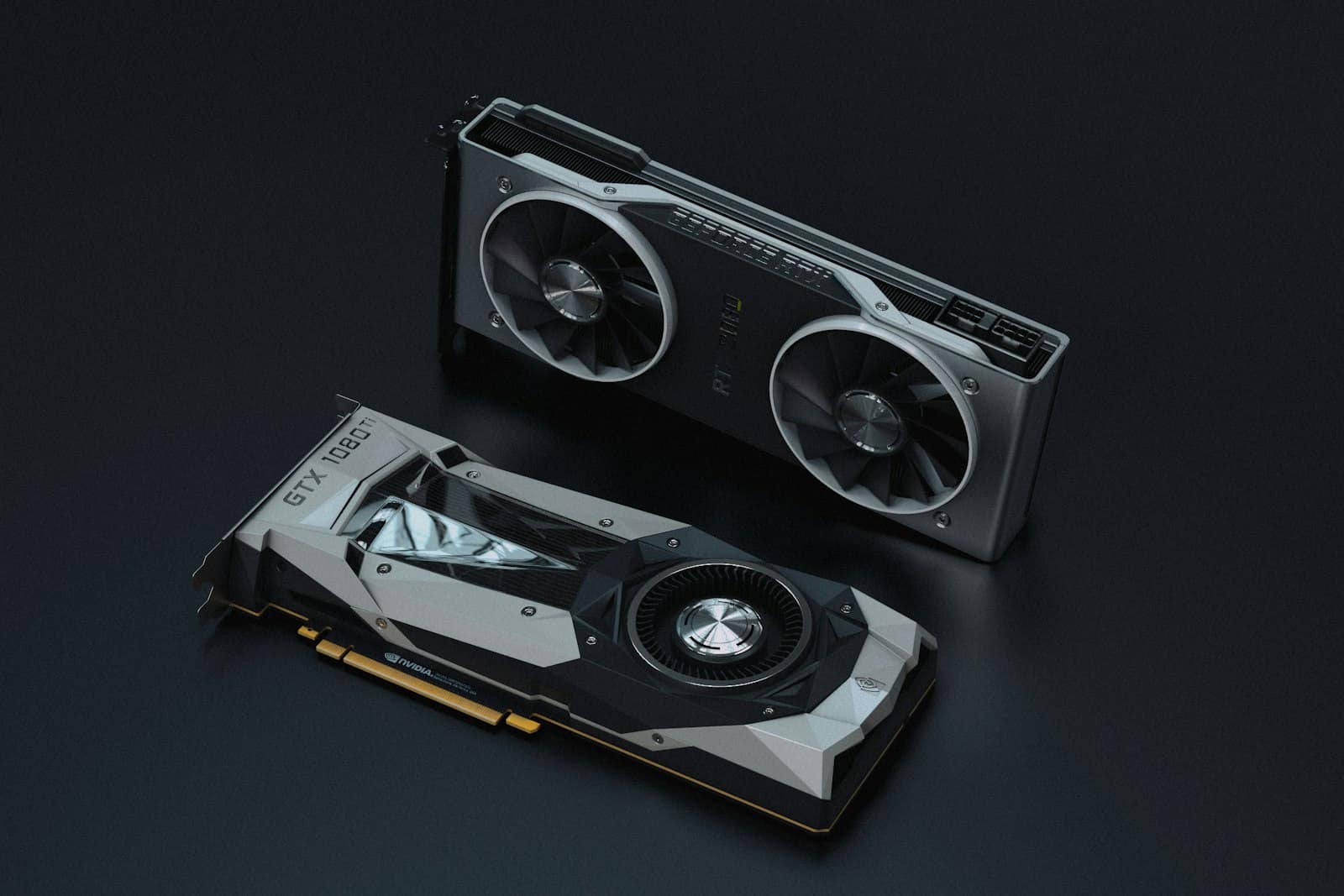
The 3090's GDDR6X memory runs hot, and aged thermal pads are the most common used-card problem — cheap to fix if you know to check. · Unsplash
The pre-purchase checklist
Ask for HWiNFO screenshots under sustained load — check GPU and especially memory-junction temperatures. Sustained memory temps above ~100°C signal worn thermal pads.
Ask directly whether it was used for mining and for how long. Mining itself rarely kills the silicon, but it's a clue to how hard the card was run.
Prefer a seller who can answer technical questions and has service history — vagueness is a red flag.
Budget ~$30 and an hour for a thermal-pad replacement (repad) if there's no maintenance record. It fixes the most common issue.
Quick answers
Is a used RTX 3090 safe to buy in 2026?
With the right checks, yes. The GPU silicon rarely dies from mining — it's neglected cooling, specifically the GDDR6X memory running hot on tired thermal pads, that causes most problems. Ask for load-temperature screenshots, prefer sellers with service history, and budget for a ~$30 repad if there's no maintenance record. Do that and a used 3090 is a low-risk, high-value buy for local AI.
How much should a used 3090 cost?
Around $1,000 is typical in 2026, though it fluctuates with the used market and the broader memory shortage. That's the price of 24GB of VRAM that runs 32B-class models — nothing else comes close on VRAM-per-dollar. If you see one much cheaper, scrutinise the condition; much pricier and a used 4090 or the wait for a deal may make more sense. Around a grand is the value zone.
What if the seller can't provide temperatures?
Treat it as a yellow flag, not necessarily a dealbreaker. A seller who can't or won't share load temps either doesn't know how to check (inexperienced) or is hiding something. If the price is good and you're comfortable doing a repad regardless, you can still buy — just assume you'll be replacing the thermal pads and factor that in. If the price isn't a bargain, walk and find a seller who can answer.
A used 3090 is the best-value local-AI card there is — as long as you buy the condition, not just the capability. Run the five-minute check, budget for a repad, and you've got 24GB for ~$1,000. For what to run on it, see best local LLM on 24GB; for how it compares new, the 4090 vs 3090 breakdown.
For a primary-source reference, see NVIDIA's GeForce lineup: NVIDIA GeForce.