A Hong Kong shop is doubling old RTX 2080 Ti cards to 22GB of VRAM and selling them on eBay for about $500. I ran the actual math on whether that's a steal or a trap.
A Hong Kong-based eBay seller is taking seven-year-old RTX 2080 Ti cards, physically doubling their memory, and selling them for about $500 with 22GB of VRAM on board — nearly double what Nvidia ever shipped on this GPU, and more than a stock RTX 4090 owner gets stock. Tom's Hardware confirmed the listings, and the seller's feedback shows at least 38 buyers have already received one. VRAM-hungry local AI users are the obvious target market. Whether that's smart depends entirely on what you're planning to run.
How you double VRAM on a GPU Nvidia never built for it
The RTX 2080 Ti shipped with 11 GDDR6 chips, each holding 1GB, wired across a 352-bit bus. The trick — and it long predates this particular seller — is that the TU102 GPU die underneath was never hard-limited to that capacity. Swap each 1GB chip for a 2GB module, reflow it back onto the board, and the silicon can physically address the extra memory. The problem is that the GPU doesn't know the chips changed unless something tells it.
That something is a set of strap resistors on the PCB — tiny components that tell the BIOS how much memory to expect at boot. Modders desolder and re-route them from a low/low/low configuration to high/high/low, and the board reports 22GB instead of 11GB. It's the same class of trick hardware modders have used for years on mining-era cards, just applied here specifically for the local-AI resale market. Nvidia never validated any of this, and there's no official firmware path for it.
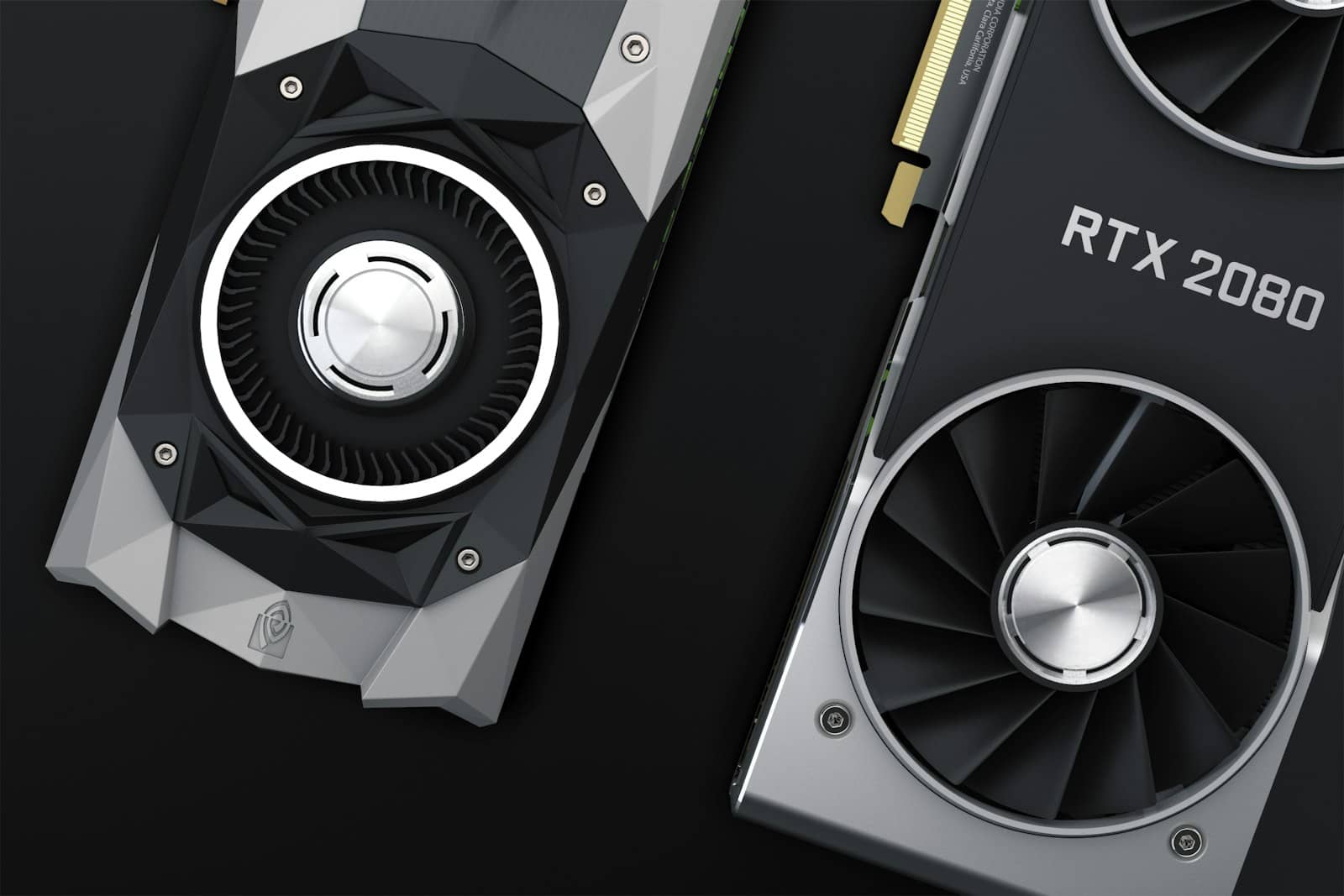
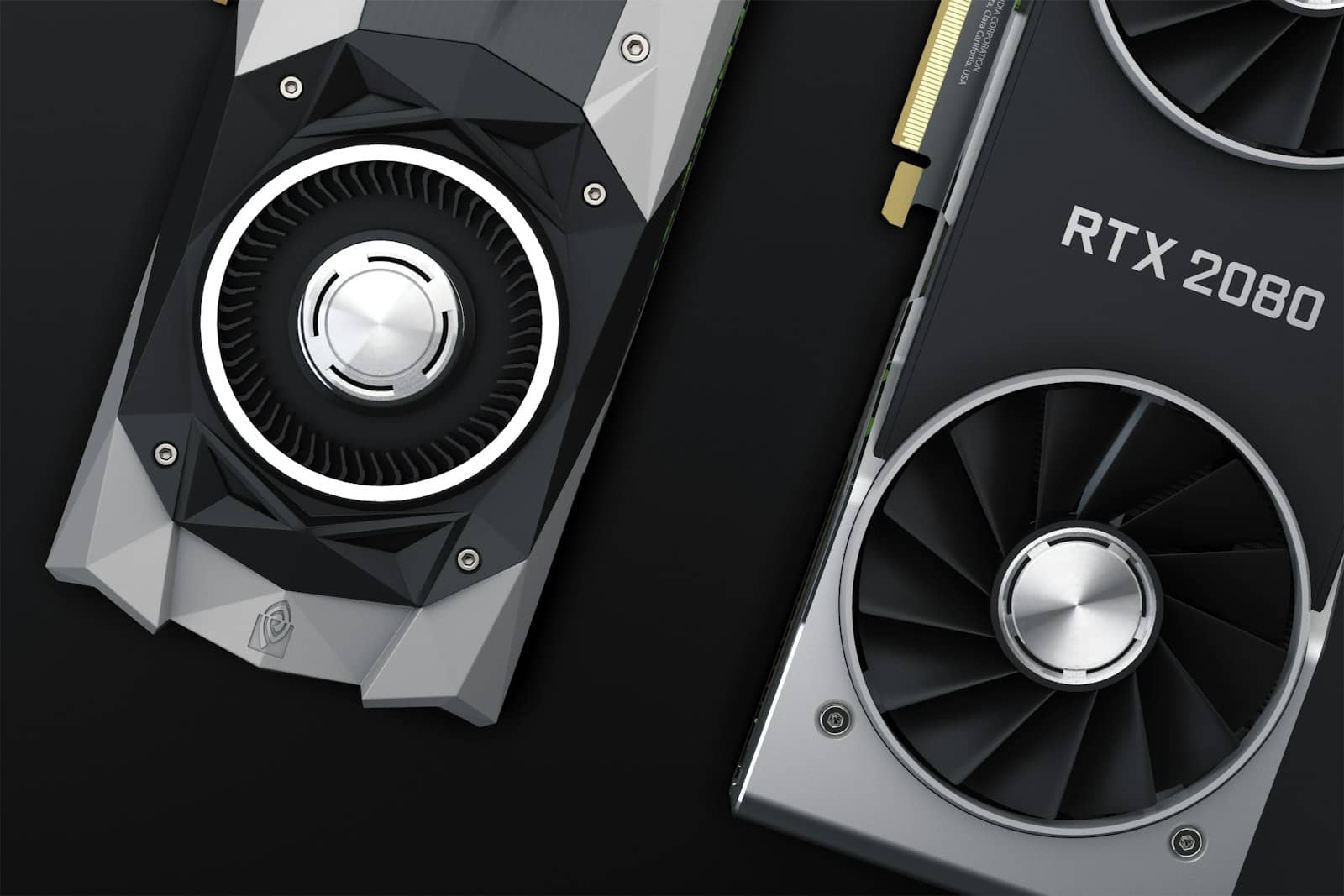
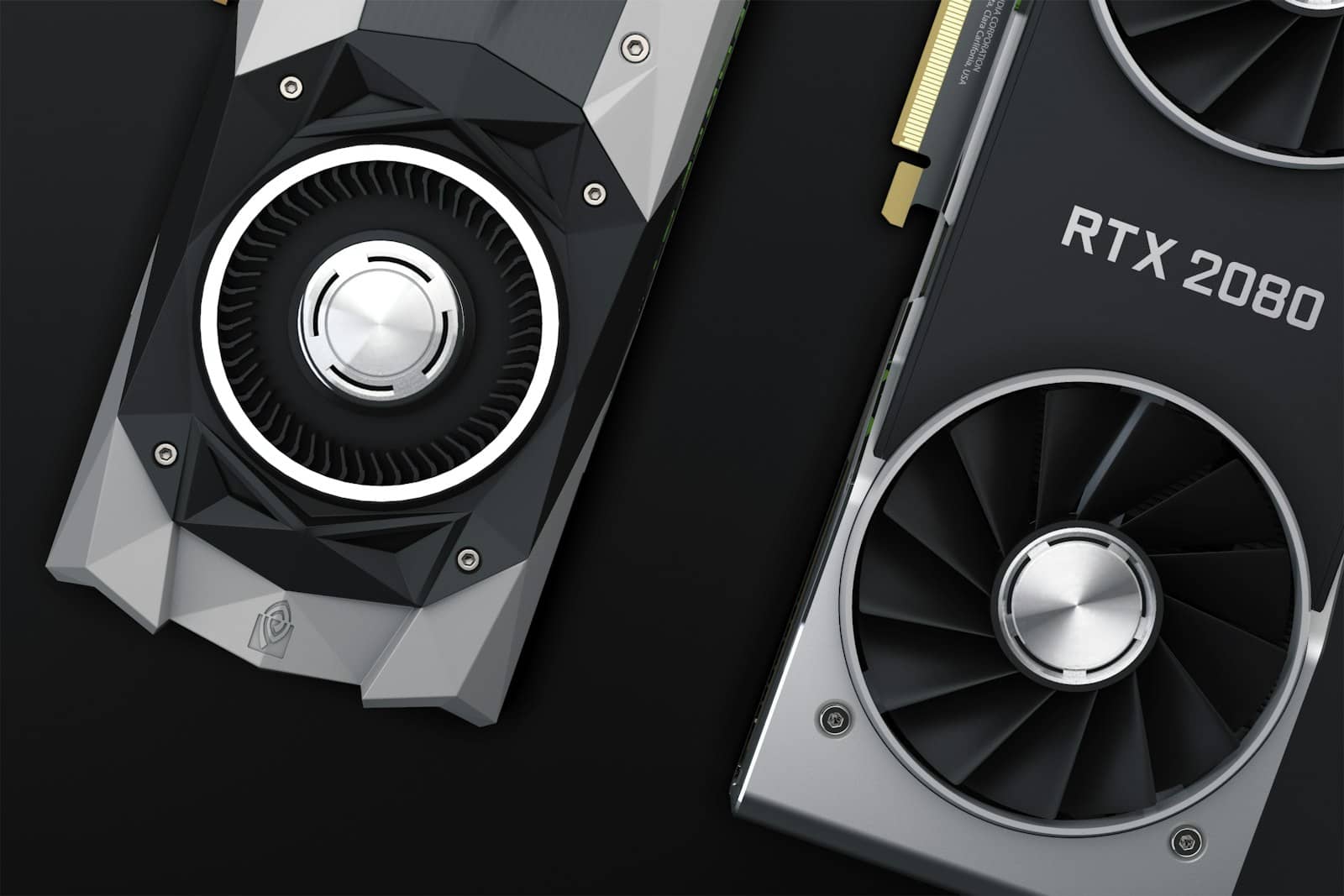
The mod swaps 11 individual 1GB GDDR6 chips for 2GB modules, then reconfigures the board's strap resistors so the BIOS reports the new total. · Unsplash
Modded 2080 Ti vs. the alternatives
RTX 2080 Ti (stock)
Card
11GB GDDR6
VRAM
616 GB/s
Bandwidth
Turing (2018)
Architecture
$180–250 used
RTX 2080 Ti (modded)
Card
22GB GDDR6
VRAM
616 GB/s
Bandwidth
Turing (2018)
Architecture
~$500
RTX 3060 12GB
Card
12GB GDDR6
VRAM
360 GB/s
Bandwidth
Ampere (2021)
Architecture
$230–280 used
Used RTX 3090
Card
24GB GDDR6X
VRAM
936 GB/s
Bandwidth
Ampere (2020)
Architecture
$650–850 used
Card
VRAM
Bandwidth
Architecture
Approx. price
RTX 2080 Ti (stock)
11GB GDDR6
616 GB/s
Turing (2018)
$180–250 used
RTX 2080 Ti (modded)
22GB GDDR6
616 GB/s
Turing (2018)
~$500
RTX 3060 12GB
12GB GDDR6
360 GB/s
Ampere (2021)
$230–280 used
Used RTX 3090
24GB GDDR6X
936 GB/s
Ampere (2020)
$650–850 used
The catch: Turing is seven years old
My honest take: the memory swap is clever and the bandwidth genuinely doesn't change, so once it boots, it boots at the same speed the card always ran at — just with more room. That's the whole value proposition. The risk sits entirely in three places: whether the specific board you receive was reflowed cleanly, whether Nvidia's driver stack keeps supporting Turing at all as newer architectures dominate the release notes, and whether llama.cpp and friends keep optimizing for a GPU generation that's rapidly aging out of active development. None of that is disqualifying. It's just the honest price of $500 for 22GB.
Modded 2080 Ti 22GB vs. a used RTX 3090
Modded RTX 2080 Ti 22GB
~$500
vs
Used RTX 3090 24GB
$650–850
22GB
VRAM
24GB
616 GB/s
Bandwidth
936 GB/s
None, third-party mod
Warranty / trust
Factory board, resale market
~$23/GB
Price for the VRAM
~$30/GB
No (fp16 only)
bf16 support
Yes
22GB wins 1wins 4 24GB
Run that table straight and the RTX 3090 wins almost every category that matters for local AI — it's faster, newer, and comes from an actual factory line. The only place the modded 2080 Ti wins is upfront cost, and even that gap shrinks fast once you factor in the real chance of a dead card with nobody to call. If you can stretch to a 3090, that's still the better $/performance buy on this site's own numbers; we walked through that exact trade in our used RTX 3090 vs. RTX 5060 Ti 16GB comparison.
Where the modded card actually makes sense: you already own a 2080 Ti, or you're specifically trying to fit a 20B–34B model at Q4 quantization that won't squeeze into 12GB, and $500 genuinely is the ceiling of your budget. In that narrow lane, 22GB opens doors 11GB or 12GB simply can't — check what fits at each quant level in our Q4 vs Q5 vs Q8 breakdown before you buy. Outside that lane, it's a novelty, not a plan.
6/ 10
Verdict
Should you buy one?
Only if a 3090 genuinely isn't in your budget and you understand you're buying a hobbyist project, not a warrantied product. The engineering is real and the bandwidth doesn't lie — but you're betting on a stranger's soldering iron and an architecture Nvidia stopped prioritizing years ago.
Best for: Local-AI tinkerers on a hard $500 ceiling who need more VRAM than 12GB and are comfortable with zero warranty.
Questions worth asking before you buy
Does the memory mod actually work reliably?
Tom's Hardware reported the seller has 99.6% lifetime eBay feedback and at least 38 buyers have already received cards reporting the full 22GB, so the mod itself is proven. Long-term reliability under sustained AI workloads is the part nobody's tracked yet.
Will the extra VRAM make the card faster?
No. Memory bandwidth stays at the stock 616 GB/s. You get more room to fit a bigger model or longer context, not faster token generation on models that already fit.
Can I do this mod myself?
It requires desoldering and reflowing 11 individual memory chips and precisely rerouting PCB-level strap resistors — this is reflow-station, hot-air-rework territory, not a home soldering-iron project.
Is there a safer alternative with similar VRAM?
A used RTX 3090 gets you 24GB on a factory board with 936 GB/s of bandwidth and native bf16 support, for roughly $150–350 more depending on the market — see our full Instinct MI50 32GB comparison for another cheap-VRAM option in the same territory.
The bigger story here is that demand for cheap VRAM has gotten strong enough that a cottage industry of GPU modders now exists specifically to serve it. That's not going away — if anything, expect more of these listings as GDDR7 prices keep climbing on new cards. Just go in knowing exactly what you're buying: a used, hand-modified, seven-year-old GPU with no factory backing. For most people reading this, our datacenter-GPU install guide or a straight used-3090 purchase is still the less stressful $500–800 local-AI move.