The $279 RX 9050 looks like a normal budget GPU launch, until you notice AMD quietly brought back a 64-bit, 4GB memory config nobody's shipped since 2022.
AMD officially launched the Radeon RX 9050 this week: a $279, RDNA 4-based entry-level graphics card with 8GB of GDDR6 memory, aimed at 1080p gamers in Asia-Pacific, Japan and Latin America for now. That part is a normal, unremarkable budget GPU launch. The part that actually matters is the second SKU AMD confirmed alongside it — a 4GB version, sold only inside pre-built OEM systems, running on a memory bus cut in half. AMD hasn't shipped a 4GB desktop card since the Radeon RX 6400 in 2022, back when 4GB was already considered tight. It's back now, at the exact moment GPU memory itself became the most expensive part of a graphics card.
What AMD actually announced
The retail RX 9050 is built on AMD's Navi 44 die: 16 compute units, 1,024 stream processors, 16 second-gen ray accelerators and 32 AI accelerators, with 32MB of Infinity Cache. It runs a 1,920MHz game clock, boosting to 2,600MHz, inside a 92W power envelope — board partners like Sapphire are shipping factory-tuned versions closer to 100W. The 8GB of GDDR6 runs at 18Gbps across a 128-bit bus, working out to 288GB/s of bandwidth. AMD's own figures, via Notebookcheck, put it at 96fps in Cyberpunk 2077, 131fps in Forza Horizon 6 and 60fps in 007: First Light, all at 1080p on medium settings — a reasonable, unglamorous budget card on paper.
RX 9050: retail vs. the OEM-only variant
Memory
Spec
8GB GDDR6
RX 9050 8GB (retail, $279)
4GB GDDR6
Memory bus
Spec
128-bit
RX 9050 8GB (retail, $279)
64-bit
Bandwidth
Spec
288 GB/s
RX 9050 8GB (retail, $279)
~144 GB/s (halved)
Availability
Spec
Retail, APAC/Japan/LatAm first
RX 9050 8GB (retail, $279)
Pre-built OEM systems only
Compute units / stream processors
Spec
16 / 1,024
RX 9050 8GB (retail, $279)
16 / 1,024 (unchanged)
Spec
RX 9050 8GB (retail, $279)
RX 9050 4GB (OEM-only)
Memory
8GB GDDR6
4GB GDDR6
Memory bus
128-bit
64-bit
Bandwidth
288 GB/s
~144 GB/s (halved)
Availability
Retail, APAC/Japan/LatAm first
Pre-built OEM systems only
Compute units / stream processors
16 / 1,024
16 / 1,024 (unchanged)
The performance numbers from independent testing are less flattering than AMD's own slide deck. Early reviews put the RX 9050 roughly 18% behind Nvidia's RTX 5050 in synthetic benchmarks and about 30% behind it in actual games. The one place it wins clearly is power: a full test system pulled 182.4 watts with the RX 9050 installed versus 217.5 watts with the RTX 5050 — a 16% cut that matters more on a $279 pre-built than most buyers will admit. None of the reviews so far cover the 4GB card directly, because it's not going on store shelves and nobody's testing it independently. That itself tells you something about how AMD expects it to perform.
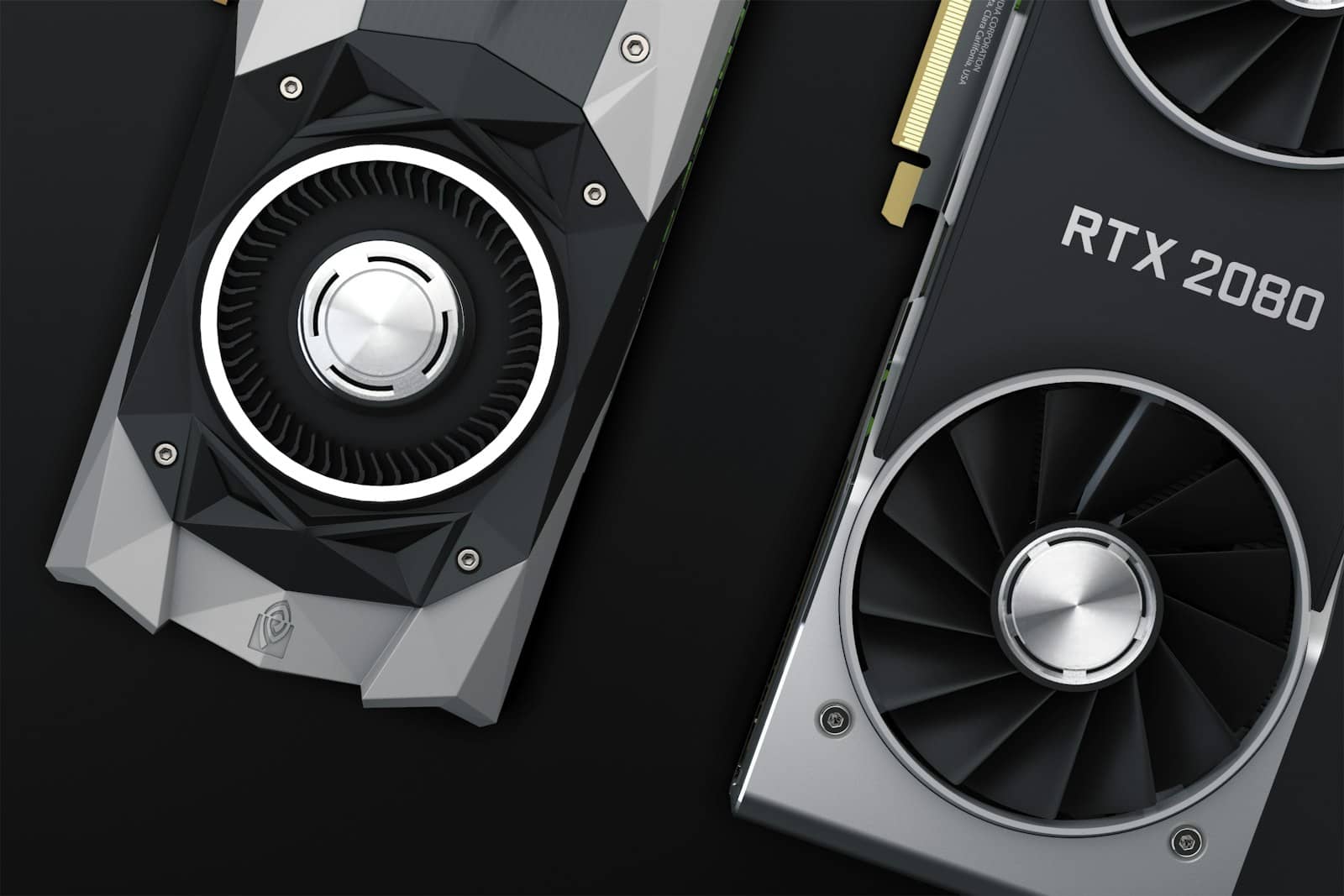
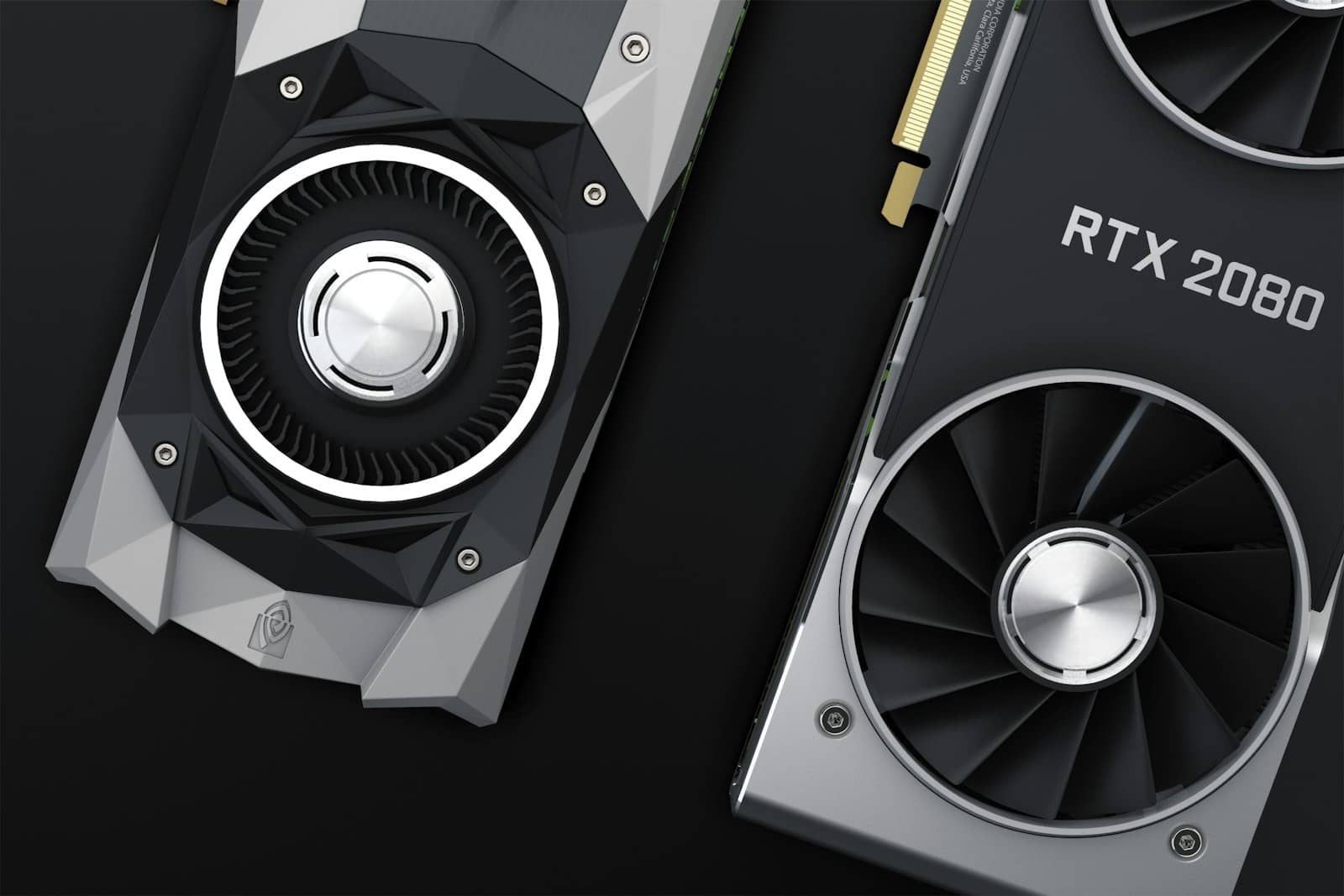
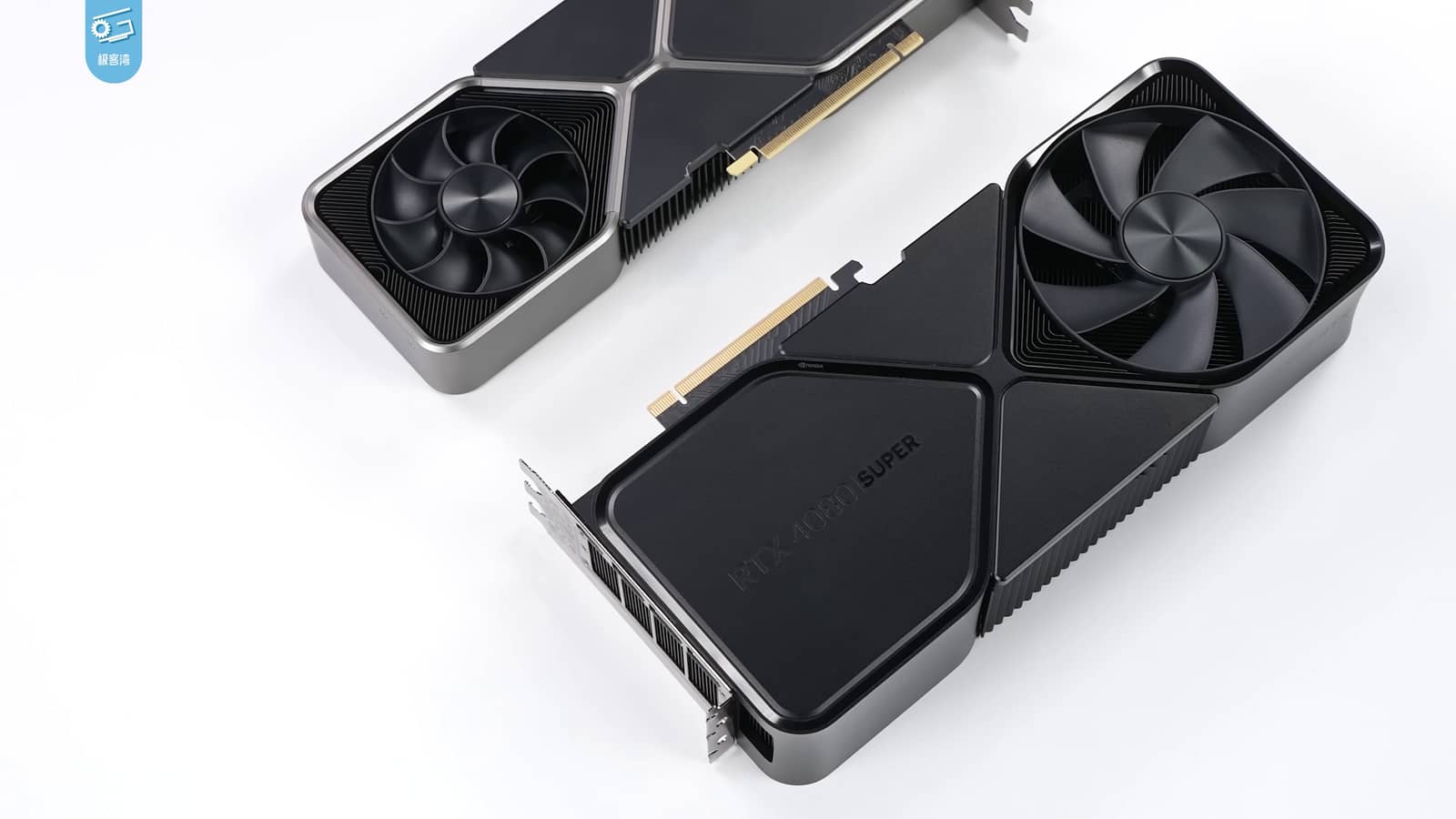
The OEM-only RX 9050 cuts its memory bus from 128-bit to 64-bit alongside the capacity drop to 4GB. · Unsplash
Why now — the memory math AMD isn't saying out loud
AMD didn't cut a memory bus in half for fun. Nvidia has raised RTX prices three separate times in 2026 — 10 to 15% in January across the whole lineup, roughly $300 more on RTX 5090 boards in May, and up to 30% more across the stack in July — the same shortage that already pushed the RTX 5060 up overnight in China. Every one of those hikes traces back to the same cause: Samsung raised DRAM contract prices by roughly 20% this quarter as AI data centers absorb the world's memory supply. GDDR6 and GDDR7 aren't exempt from that shortage — they're made on the same production lines. A 4GB card with a 64-bit bus needs literally half the memory chips of an 8GB card with a 128-bit bus. That's not a performance decision. It's a bill-of-materials decision, made by an OEM buyer trying to hit a system price point while the input costs under them keep moving.
Verdict
Should you buy either version?
The 8GB retail RX 9050 at $279 is a defensible, if unexciting, 1080p card once it reaches your region — treat AMD's own benchmarks as a ceiling, not a floor, given independent tests show it trailing the RTX 5050. The 4GB variant is a different conversation: you won't be choosing it directly, a pre-built system will be built around it, and a halved memory bus on a brand-new 2026 card is a genuine step backward worth checking for before you buy any budget desktop.
Best for: Buyers shopping sub-$400 pre-builts should check the spec sheet for '4GB' before checking anything else.
My take
AMD Radeon RX 9050, answered
How much does the RX 9050 cost?
$279 for the 8GB retail version, which launched first in Asia-Pacific, Japan and Latin America. AMD hasn't announced US or European pricing or availability dates yet.
Can I buy the 4GB version separately?
No. The 4GB variant is sold only inside pre-built OEM desktops, not as a standalone retail card.
Is the RX 9050 good for gaming?
It's a 1080p, medium-settings card. Independent reviews put it roughly 18-30% slower than Nvidia's similarly priced RTX 5050, though it draws noticeably less power.
Why does the 4GB version have a smaller memory bus, not just less memory?
AMD halved the bus from 128-bit to 64-bit alongside the capacity cut, which roughly halves memory bandwidth too — not just storage headroom, but the actual speed data moves at.
If you're pricing a budget build this year, check the current-gen budget market carefully before accepting a bundled OEM GPU sight unseen — and if a pre-built's spec sheet won't tell you the memory bus width, that omission is the answer. Memory is the scarce, expensive part of every GPU released for the rest of 2026. Expect more corners cut exactly like this one, not fewer.