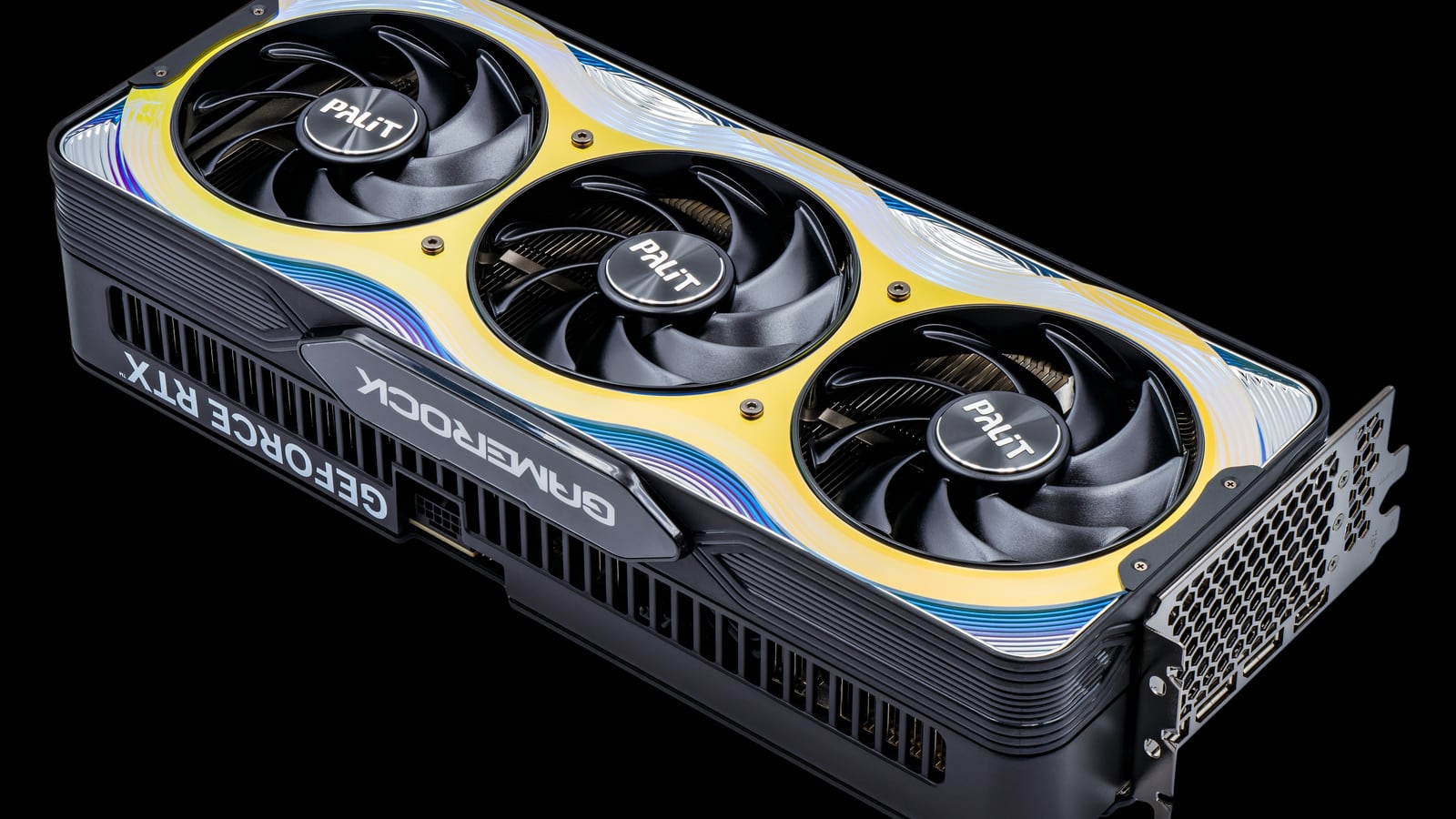
MSI, PNY and Colorful raised RTX 50-series distributor prices by up to 59% over MSRP. The cause isn't greed — it's the same memory shortage that's been quietly inflating everything with a chip in it. Here's whether to buy now.
If you've been putting off a graphics card purchase, the window may be closing. MSI, PNY and Colorful have just raised RTX 50-series prices for Chinese distributors by as much as 59% over MSRP across the entire lineup — the RTX 5070 Ti now starts 38% above list. It's easy to dismiss that as a China-only story, but the reason behind it is not local at all: board partners are passing on higher GDDR6 and GDDR7 memory costs, the same memory shortage that's been quietly inflating everything from RAM to SSDs all year. European wholesale prices are already up around 20%. This is the clearest signal yet that GPU prices are heading one direction, and it's not down.
Why this isn't just a China story
It's tempting to file 'prices went up in China' under 'not my problem.' Don't. The two documents that leaked only cover Chinese distributor pricing, and they don't confirm identical US or EU changes — but the mechanism is global. A graphics card's bill of materials is dominated by the GPU die and the memory chips soldered around it, and when GDDR7 memory gets more expensive, every board partner in every region feels it. The distributor notices are specific: roughly 600 yuan more for an 8GB card, 900 for 12GB, 1,200 for 16GB — the increase scales with how much memory is on the card, which is the fingerprint of a memory-cost problem, not a tariff or a margin grab.
Distributor price increase by card memory (Chinese notices, yuan)
8GB cards+~600 ¥
12GB cards+~900 ¥
16GB cards+~1,200 ¥
The more VRAM a card carries, the harder the memory shortage hits its price — which is bad news for the high-VRAM cards local-AI builders want most. · Unsplash
Buy now or wait?
Here's my honest read. Normally 'wait for prices to drop' is sound advice for tech — components almost always get cheaper over time. This cycle has been the exception, because the constraint is supply, not competition. Memory prices have been climbing for months with no relief forecast until 2027, and this GPU move is that trend reaching the card you were about to buy. If you have a genuine near-term need — a build, a local-AI rig, a gaming upgrade — buying now is the lower-risk choice. If you can comfortably wait a year or more, you're betting on the memory shortage easing, which might happen, but nothing in the current data says it's imminent.
Quick answers
Are RTX 50 prices going up in the US?
Not officially confirmed yet — the leaked increases cover Chinese distributor pricing. But the cause (rising GDDR memory costs) is global, European wholesale is already up ~20%, and board partners everywhere buy from the same memory suppliers. It would be unusual for US pricing to stay flat while the underlying component costs rise everywhere else. Treat higher US prices as likely rather than certain, and factor that into your timing.
Why are GPU prices rising in 2026?
Memory. GDDR6 and GDDR7 chip prices have climbed as part of a broader DRAM and NAND shortage that's been inflating RAM, SSDs, and other components all year. A graphics card's cost is dominated by its GPU die and memory, so when memory gets pricier, cards do too. This is a supply-side story — not a demand spike or vendor greed — which is why it's persistent and why it scales with how much VRAM a card has.
Should I buy a GPU now or wait for prices to fall?
If you need one soon, buy now — this cycle has repeatedly punished waiting because the constraint is supply, not competition, and there's no forecast relief until 2027. If you can wait a year or more, you're betting the memory shortage eases, which is possible but not imminent. For anyone building a local-AI or gaming rig in the next few months, the safer move is to lock in a card before further increases land.
Does this affect used graphics cards too?
Less directly. Used-card prices are set by supply and demand for existing hardware, not by the memory costs that drive new-card pricing — so a used RTX 3090 or 4090 is somewhat insulated from this specific increase. That said, if new cards get pricier, more buyers turn to the used market, which can push used prices up indirectly. Still, for VRAM-per-dollar, the used market looks even more attractive when new cards are climbing.
The bottom line: this is the memory shortage arriving at the GPU aisle, and it's unlikely to reverse soon. If a card is on your list — especially a high-VRAM one for local AI — the safer play is sooner rather than later. Sources: Tom's Hardware and VideoCardz. For the used-vs-new math, our 4090 vs 3090 breakdown still holds — and looks better every time new cards go up.