a graphics card, a games console, a $45 hobby board, a hard drive and a retro handheld all got more expensive this year for one identical reason. I've written them as six stories. they're one — and here's what I'd actually do about it.
I want to be honest about how I got to this piece, because it says something about how tech news gets covered. Over the past few weeks I've written up a delayed Nvidia graphics card, a Nintendo price increase, a Raspberry Pi price increase, a jump in NAS drive costs, a retro cartridge going up, and a brand-new Amiga replica slipping half a year. Six stories, six different companies, six different product categories, filed separately as they happened. It was only when I lined them up that the obvious hit me: I hadn't written six stories. I'd written one story, six times, and missed it each time because it arrived wearing different clothes.
A $2,000 graphics card and a $25 retro game cartridge do not normally belong in the same sentence. They do now, and that is the part I think is being underreported. Each of these got covered as a company story — Nvidia's problem, Nintendo's decision, Raspberry Pi's announcement. Almost nobody covered it as what it actually is: a supply-chain event large enough to reach into every single category of consumer computing at once.
Why it's memory specifically
The mechanism is not complicated, which is partly why it's easy to overlook. AI datacenter buildouts consume enormous quantities of memory — DRAM for servers, HBM and GDDR for accelerators, NAND for storage. Industry reporting had DRAM contract prices expected to double across 2026, and that demand is close to price-insensitive: if you're spending billions on GPUs, paying over the odds for the memory to feed them is a rounding error. Consumer electronics buyers are the opposite. They're extremely price-sensitive, because their customers are you and me, and we notice fifty dollars.
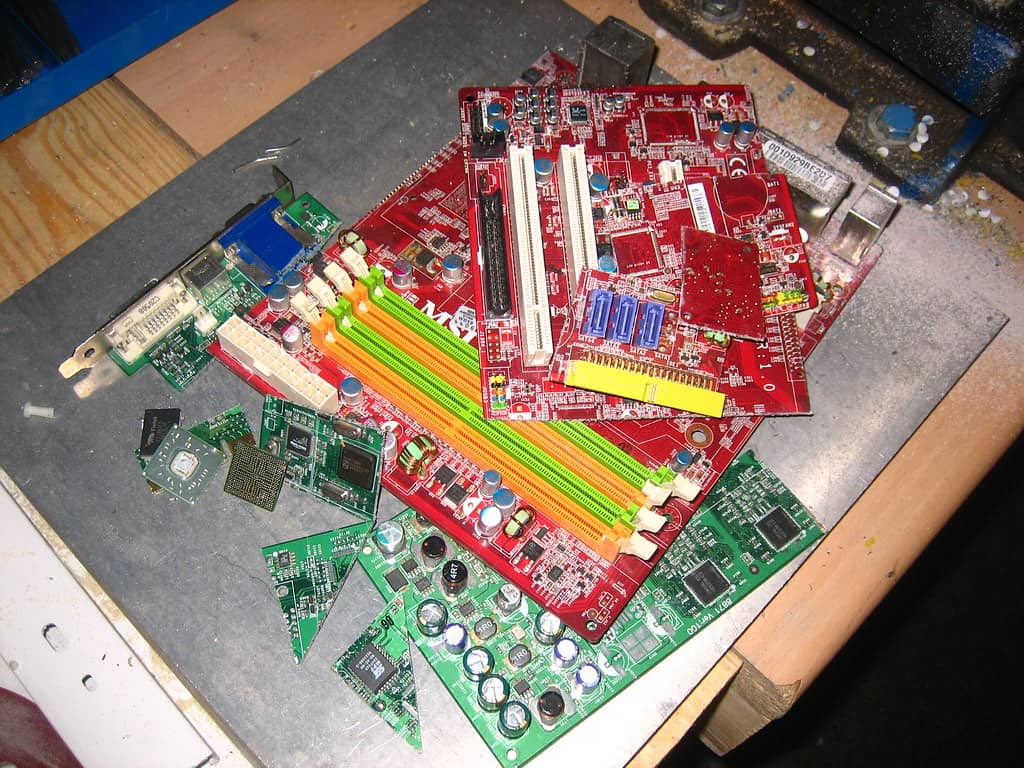
So when fab capacity is finite and one set of buyers doesn't flinch at the price, guess who gets served first. Every device where memory is a large share of the bill of materials then gets squeezed — and that list is longer than people assume. A Raspberry Pi is mostly a system-on-chip and its RAM. A hard drive contains DRAM cache and controller silicon. A games console is a chip and a memory pool. Even the humble game cartridge is flash storage in a plastic shell. Once you see memory as the common denominator, the six stories collapse into one.
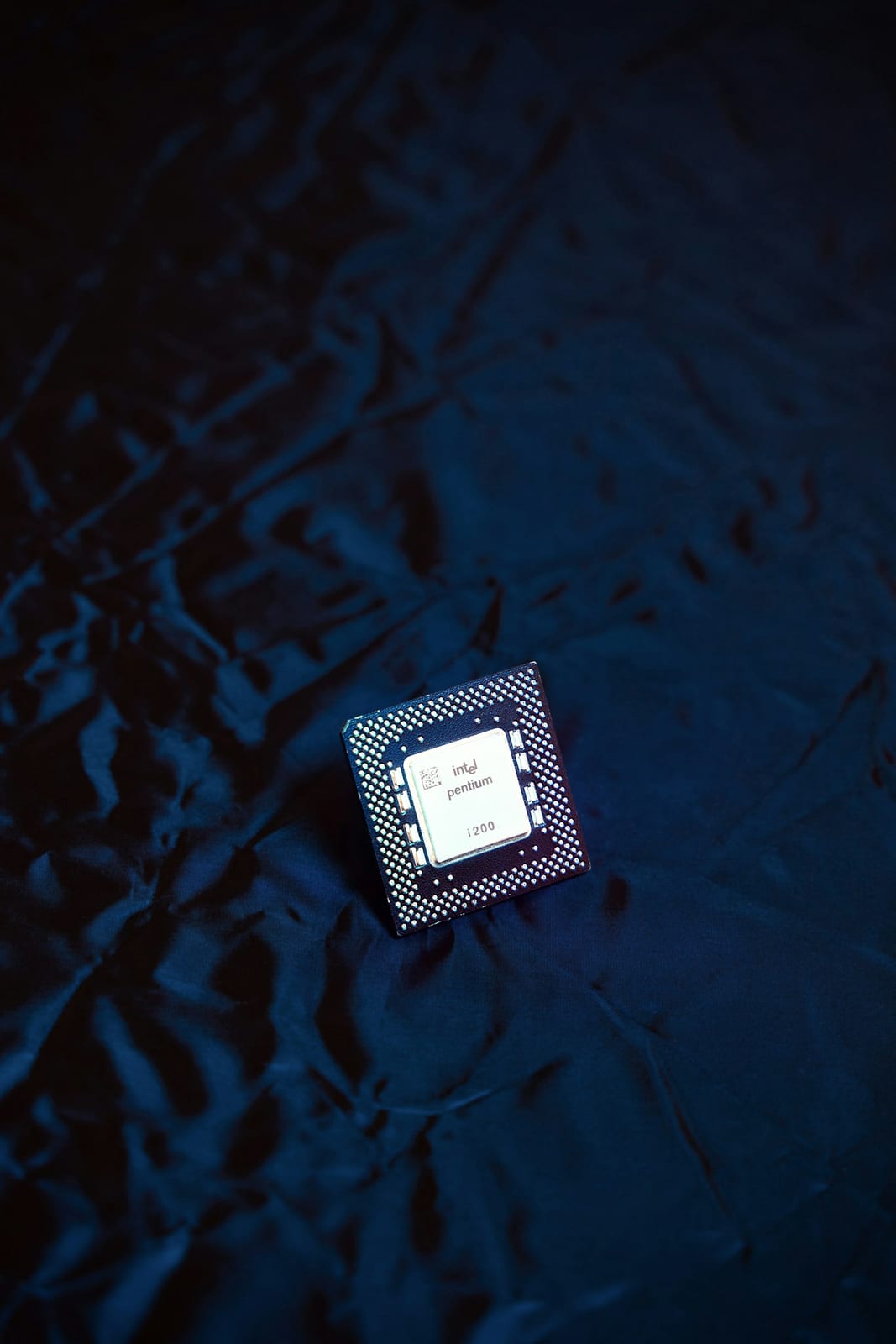
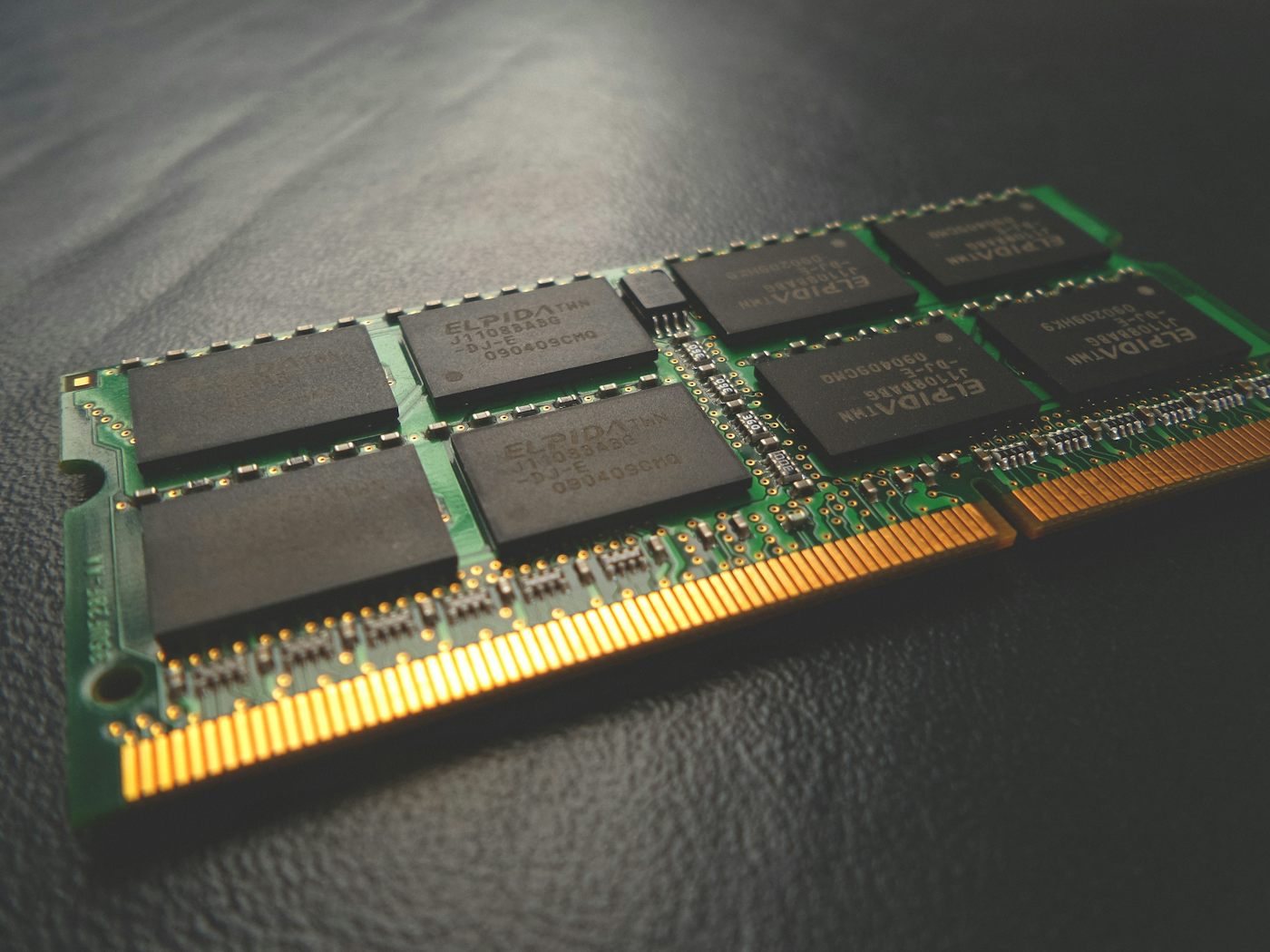
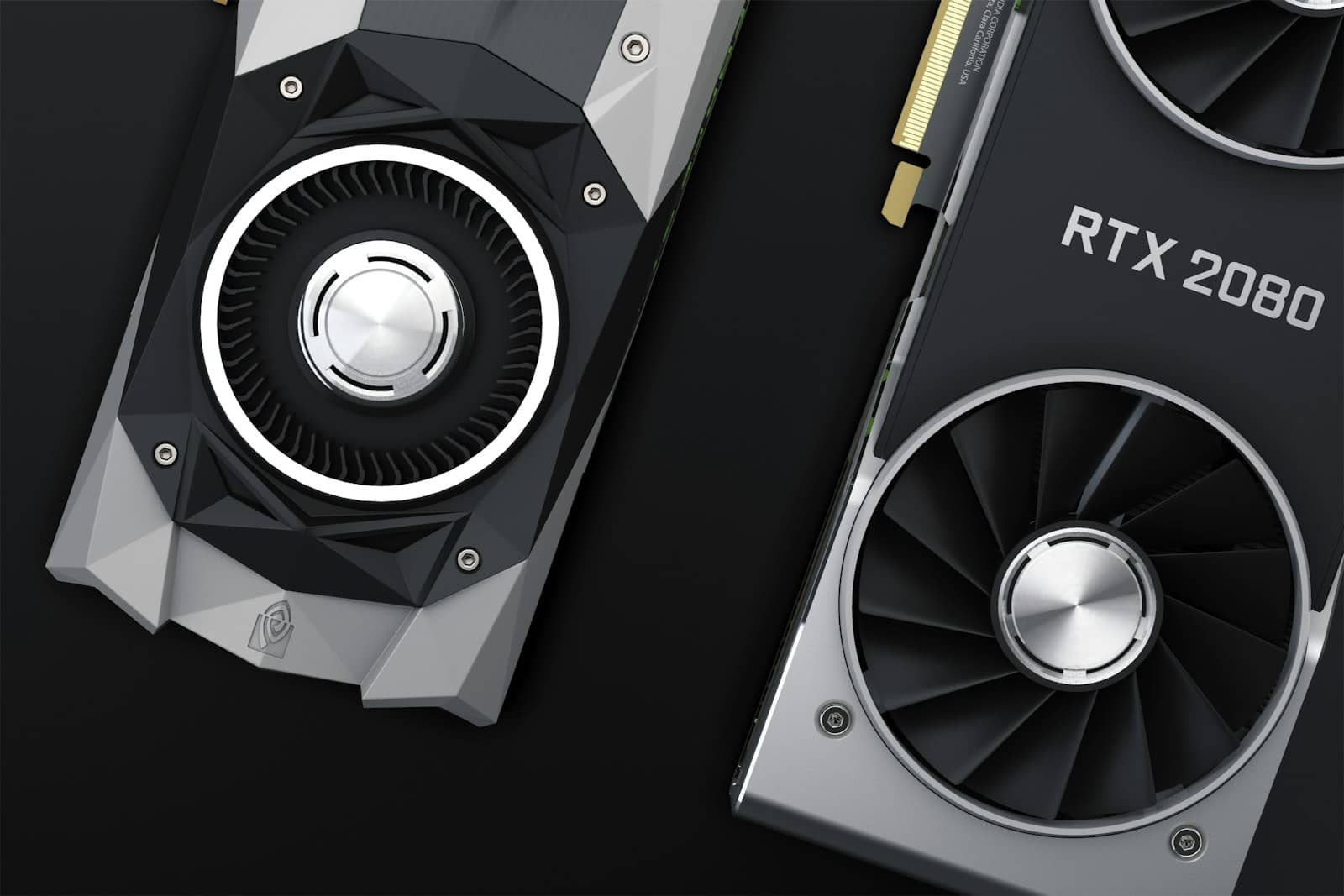
Memory is now the dominant cost line in a surprising number of devices — which is exactly why the shortage reaches so far. · Unsplash
What I'd actually do — and yes, this is opinion
I want to be clear that the section below is my judgement rather than reporting. Reasonable people will disagree, and if memory pricing breaks in six months I'll have been wrong. But people keep asking me some version of 'should I buy now or wait,' and 'it depends' is a cowardly answer, so here's what I'd genuinely do with my own money.
Buy the memory-heavy thing you actually need, now. NAS drives, a high-RAM machine, a console you were going to buy anyway before September 1 — these are the purchases where waiting most plausibly costs you money rather than saving it.
Delay the things where memory isn't the bottleneck. A monitor, a keyboard, a case, a PSU, a mid-range CPU — none of these are caught in this squeeze in the same way. That's where patience still pays.
Buy capacity you'll want in three years, not the minimum that fits today. In a rising market, the upgrade you defer is the one that costs the most. I'd rather over-buy storage once than top it up twice at 2027 prices.
Be sceptical of 'AI' branding on hardware. The memory in the box is real and expensive; the marketing layer on top frequently isn't worth what it adds to the sticker.
A $2,000 graphics card and a $25 retro cartridge do not normally belong in the same sentence. In 2026, they do.
What I think happens next
Predictions are cheap, so label this clearly: this is a guess, not reporting. I think the second-order effects are the ones that will actually shape the next two years of hardware, and we're only starting to see them. Raspberry Pi has already told us the Pi 6 isn't arriving until 2028 — launching a new memory-hungry board into this market makes no sense. Apple pulled its largest Mac Studio memory configurations. Sony flagged that PS5 hardware volumes depend on securing memory at sensible prices. That's three companies quietly reshaping product roadmaps around a component shortage.
My expectation is that we see more of exactly that: fewer high-memory SKUs, more oddly-specific capacities like Raspberry Pi's 3GB board, longer gaps between generations, and 'value' tiers that quietly ship less RAM than their predecessors. That last one is the one I'd watch most carefully as a buyer, because it's the version of a price rise that doesn't look like a price rise. If a 2027 device arrives at the same price with less memory than the 2025 model, that's the shortage reaching you — just wearing different clothes again.
There's one genuinely positive reading, and I hold it loosely. Shortages are the strongest incentive the industry ever gets to build more capacity, and capacity being built now lands in 2027 and 2028. Raspberry Pi, for its part, has publicly committed to reversing its increases when memory normalises, and Nintendo framed its own rise as a response to medium-to-long-term market conditions rather than a permanent repricing. If you're planning a big machine — a serious local-AI box, a large NAS, a workstation — the honest calculus is that you'll pay a premium today or wait roughly two years for relief that isn't guaranteed to arrive on schedule. I know which one I'd pick for something I use every day. I also know I'd wait on anything I merely want.
Questions I keep getting
Is this just tariffs or inflation?
No, and the companies involved have been unusually specific about it. Nintendo pointed at market conditions driven by memory rather than tariffs, and Raspberry Pi named a seven-fold LPDDR4 increase directly. Tariffs and currency are real factors in some markets, but memory is the common thread across all six stories.
When will prices actually come down?
Industry analysts generally don't expect normalization before late 2027, because supply is committed on long-term agreements into 2027 and 2028. Treat any specific date as a guess — including mine.
Should I buy a Raspberry Pi right now?
Depends which one. The low-end boards using older memory — Pi Zero, Pi 400 — weren't affected and remain good value. The high-memory Pi 5 models took the worst of it, and at that price I'd genuinely price a small x86 mini PC before committing.
Does this affect used hardware too?
Indirectly, and it's worth planning for. When new prices rise, used prices tend to follow, and used enterprise drives have become the value play in NAS builds specifically because new ones got expensive. Just check SMART data and never run them without redundancy plus a real backup.
What about building a local-AI machine?
That's the most memory-exposed purchase in consumer tech right now, since VRAM and unified memory are the entire point. I'd read our breakdowns of the Strix Halo mini-PC option and how it compares to the DGX Spark before spending, because the price-per-usable-gigabyte gap between the options is unusually wide right now.
I'll keep covering these as they land, because they'll keep landing. But I'd rather you read the next one — whatever product it happens to be about — already knowing what it's really a story about. That's the useful part, and it's the part the individual headlines keep hiding.