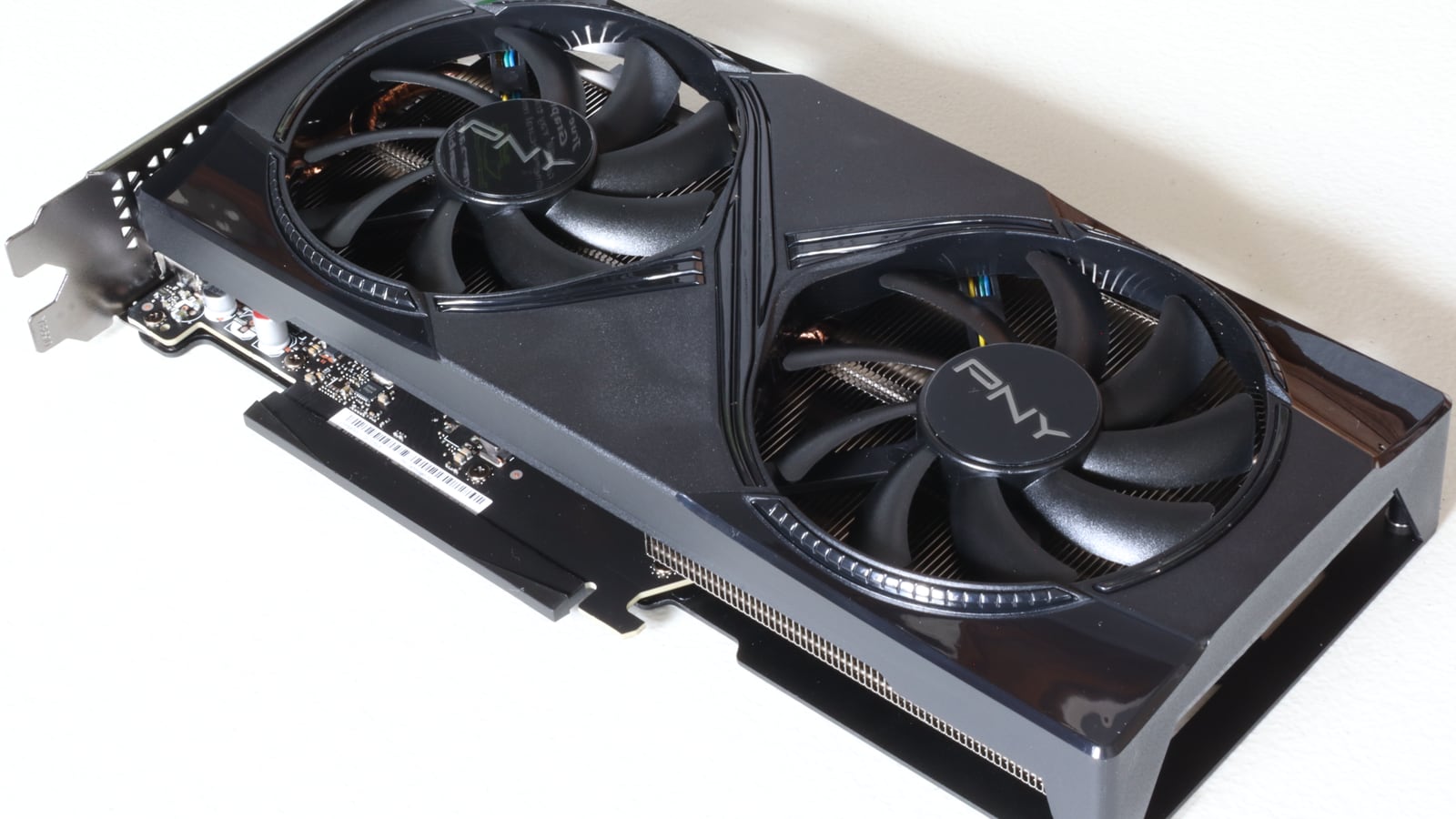
Nvidia's RTX 5050 has been on shelves long enough now for the launch hype to fade and street prices to settle — and the settling isn't kind to it. It launched with a $249 MSRP, 2,560 CUDA cores, 8GB of GDDR6, and a 130W power draw, pitched officially as 60% faster on average than the RTX 3050 it replaces. Reasonable enough, on paper. The problem is what else $249-to-$309 buys you right now.
The specs aren't bad in isolation. DLSS 4 with frame generation, 5th-gen Tensor cores, and a single 8-pin connector make this a genuinely low-power card for a small or prebuilt system — 130W is a fraction of what its bigger siblings draw. But Nvidia is explicitly positioning it for 1080p only, and the 8GB memory buffer hasn't grown since the RTX 3050 shipped back in 2022.
RTX 5050 vs. a used RTX 3070
RTX 5050 (new)
$275-309 street
vs
RTX 3070 (used)
~$280
2,560
CUDA cores
5,888
8GB GDDR6
VRAM
8GB GDDR6
Baseline
Real-world 1080p performance
~35-40% faster
130W
Power draw
220W
Full manufacturer warranty
Warranty
None, seller-dependent
(new) wins 2wins 2 (used)
The 8GB ceiling hasn't moved since 2021
We've written before about whether 8GB is still enough in 2026, and the short version holds here: it's fine at 1080p today for most titles, but it leaves zero headroom as textures keep growing. For local AI, the 5050 basically isn't in the conversation — 8GB rules out anything but tiny, heavily quantized models. If that's your use case, the actual cheapest GPU that works for local AI right now is a far better use of a similar budget.
RTX 5050 real-world 1080p frame rates
Valorant (High)188 fps
Black Myth: Wukong (High + DLSS)93 fps
Cyberpunk 2077 (Ultra + DLSS 4)86 fps
Where the RTX 5050 actually makes sense
It's not a bad card for every buyer — small form factor or low-power builds, HTPCs, and OEM prebuilts genuinely benefit from a single 8-pin, 130W part with a full warranty and DLSS 4 support. If you're weighing how much a whole system should cost, our tiered breakdown of gaming PC budgets and our wider budget-GPU pick if you're not locked into Nvidia are both worth reading before you commit to this specific card.
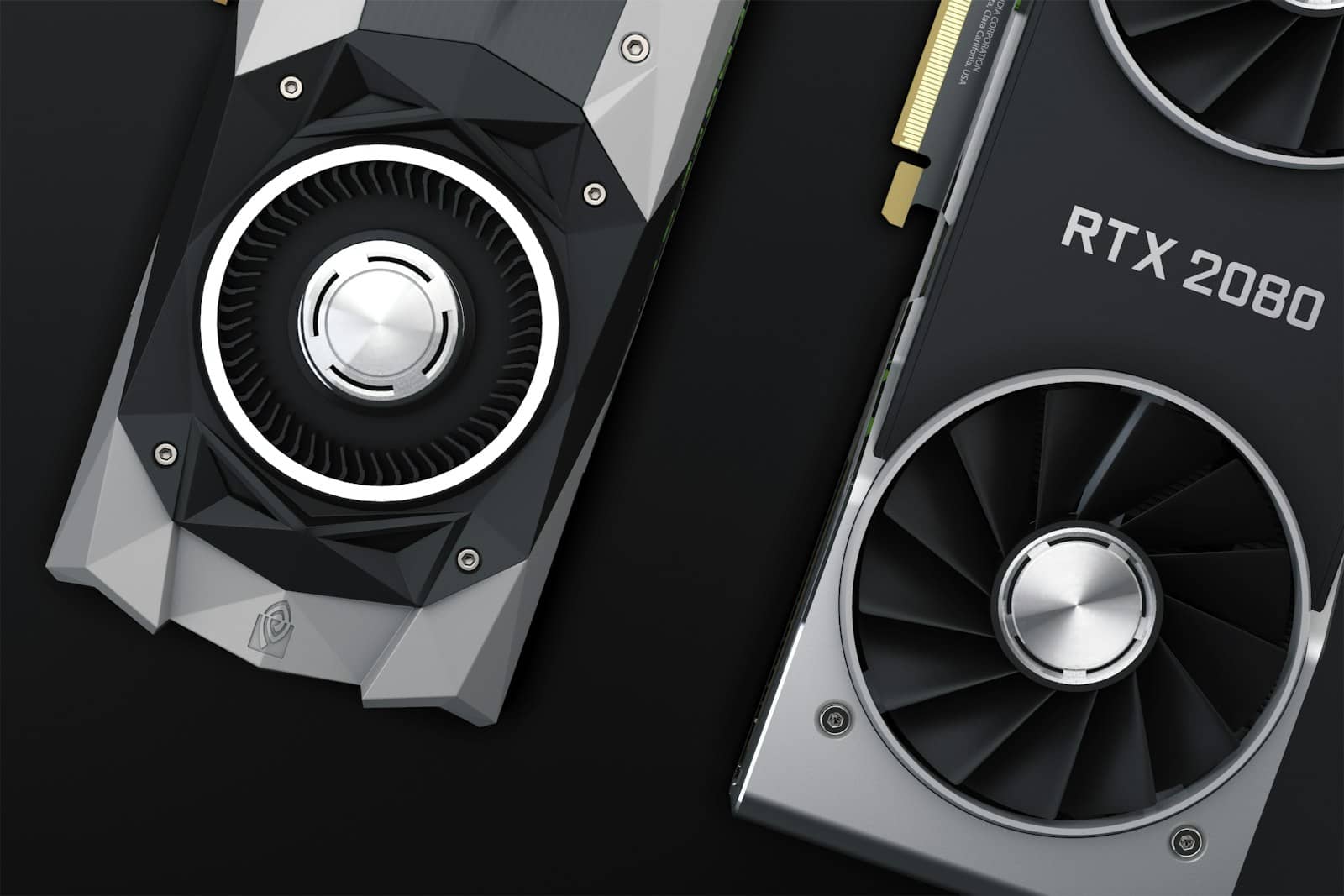
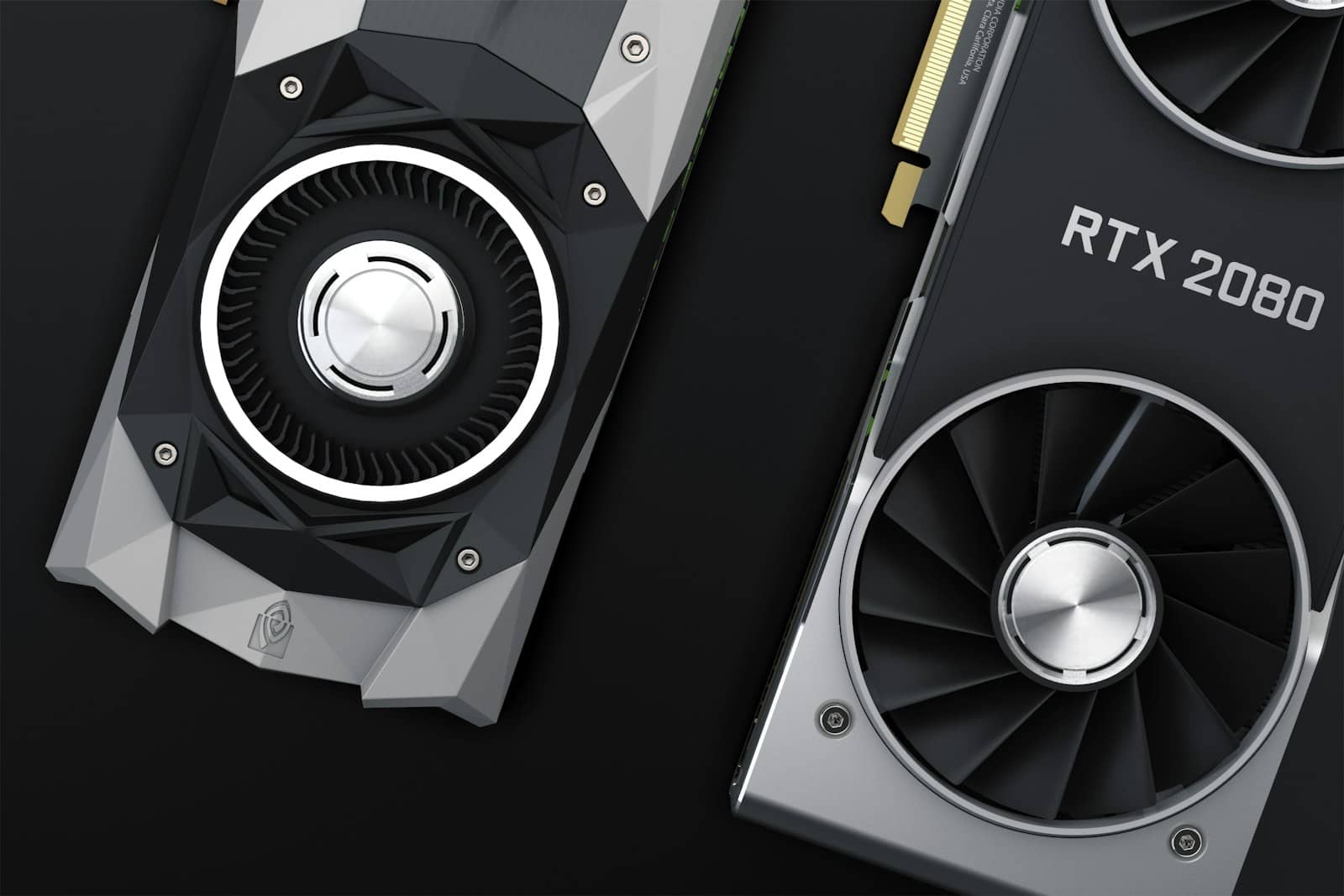
Low power draw is the RTX 5050's real selling point — 130W on a single 8-pin connector. · Unsplash
Building a small, low-power, or prebuilt system where 130W and a single 8-pin connector matter? The 5050 still makes sense.
Buying on a budget for local AI? Skip it — 8GB is a hard wall. A cheaper GPU built around VRAM headroom does more for the same money.
Comfortable buying used with no warranty? A ~$280 RTX 3070 beats it by 35-40% on real-world performance.
Need a warranty and zero risk tolerance, and don't want to shop used? The 5050 is the safe, unexciting choice.
Is the RTX 5050 good for 1080p gaming?
Yes, competently — it clears 100+ fps in esports titles and holds up in demanding games with DLSS 4 enabled. It's not exciting, it's adequate.
Can you run local AI models on an RTX 5050?
Not comfortably. 8GB of VRAM limits you to small, heavily quantized models — the same ceiling the RTX 3050 had four years earlier.
Is a used RTX 3070 really better than a new RTX 5050?
On raw performance, yes — independent testing puts it 35-40% ahead at a similar street price, though you give up warranty coverage buying used.
What should I buy instead of the RTX 5050?
For gaming value at the same price, compare it against Intel's Arc B580. For local AI on a budget, an 8GB card isn't the right tool at all — look at options built around VRAM headroom instead.
4/ 10
Verdict
Buy or skip?
Skip it unless the 130W power budget or a full warranty is the deciding factor for your specific build. For almost everyone else — gamers and local-AI tinkerers alike — the money buys more elsewhere, new or used.
Best for: small form factor and low-power builds only; most other buyers should look elsewhere
The RTX 5050 isn't a bad card so much as a card that arrived into a market that had already solved its problem. $250-300 has real competition on both sides — a four-year-old GPU on the used market, Intel's Arc lineup on the new one — and the 5050 doesn't clearly beat either. If Nvidia's actual street price settles back toward $249, revisit the math. At $299, it's not the one.