Buy the RTX 5060 Ti 16GB (~$430) if you want the best upscaling and ray tracing — DLSS 4 with Multi Frame Generation is a real advantage in supported games. Buy the RX 9060 XT 16GB (~$350) if you want the best raw value — it's typically cheaper and gives you similar 1440p rasterization for less. Both have the 16GB of VRAM that matters, both target 1440p, and honestly you can't go wrong — this comes down to which feature set you value. Here's the full breakdown.
Where each one wins
These cards are closer than the brand tribalism suggests. The RX 9060 XT 16GB is the value champion: RDNA 4, a low 160W draw, 16GB of memory, and 1440p frame rates that hold up well with FSR 4 upscaling — all for around $350. The RTX 5060 Ti 16GB costs a bit more (~$430) and earns it with features: DLSS 4, including Multi Frame Generation that can dramatically lift frame rates in supported titles, meaningfully better ray-tracing performance, GDDR7 memory, and a tidy 180W. In pure rasterized frames per dollar, AMD leads. In the games where ray tracing and best-in-class upscaling matter, Nvidia pulls ahead. The 16GB of VRAM on both is the shared win that makes either a smart 1440p buy for years.
RTX 5060 Ti 16GB vs RX 9060 XT 16GB
RTX 5060 Ti
~$430, features
vs
RX 9060 XT
~$350, value
~$430
Price
~$350
16GB GDDR7
VRAM
16GB GDDR6
Better
Ray tracing
Good
DLSS 4 + MFG
Upscaling
FSR 4
Good
Raster value
Better
180W
Power
160W
Ti wins 2wins 3 XT
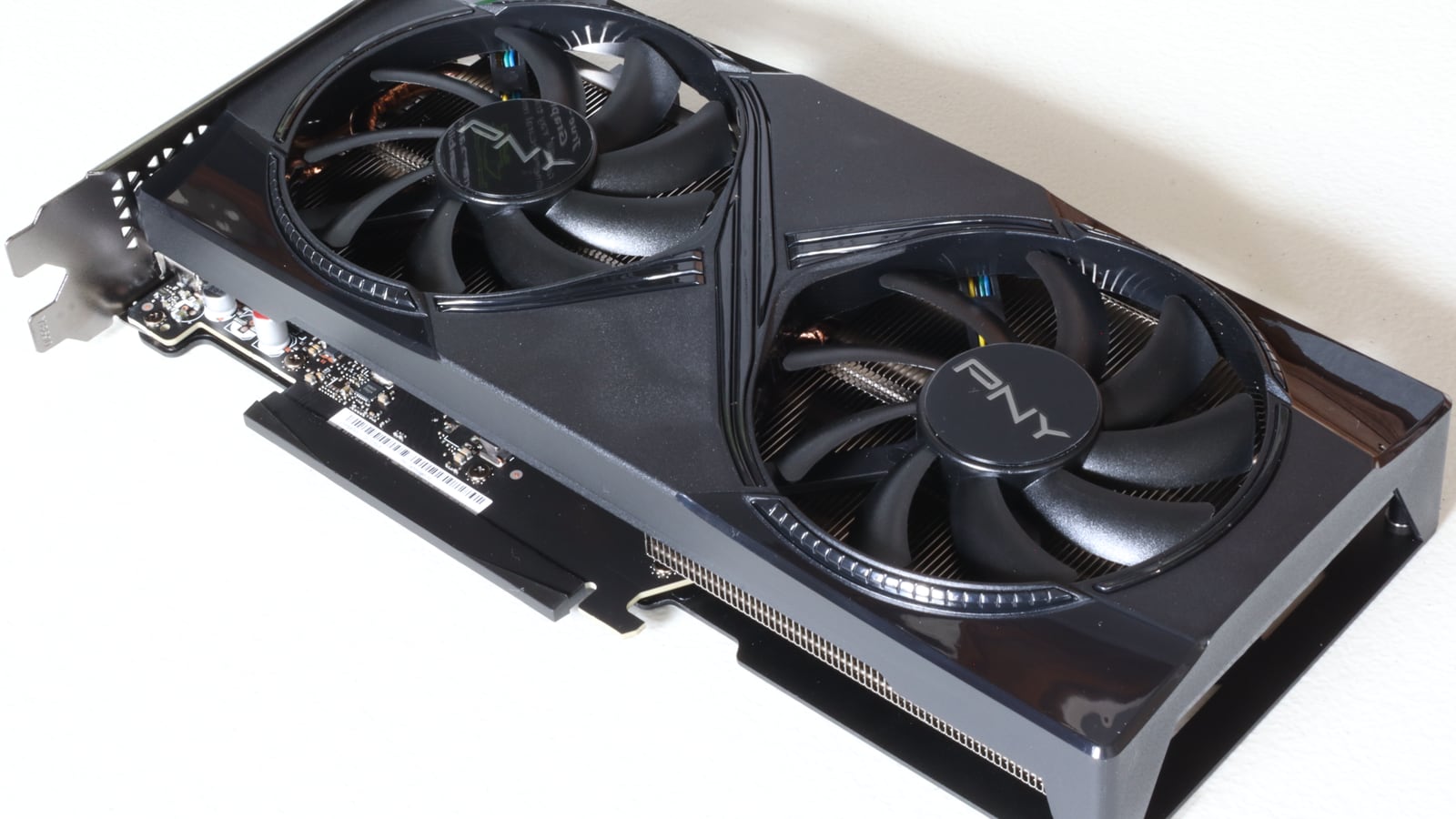
Two excellent 16GB 1440p cards — the pick is DLSS 4 features (Nvidia) vs raw value (AMD). · Unsplash
My honest pick
If you asked me to just choose, I'd lean RX 9060 XT for most people — you save roughly $80, you get the same 16GB and comparable 1440p rasterization, and that saving is real money in a budget build. I'd pick the RTX 5060 Ti 16GB in two cases: if you play a lot of ray-traced showcases where Nvidia's RT lead is visible, or if you want DLSS 4's Multi Frame Generation to push high-refresh gameplay in supported games, which AMD hasn't fully matched. Neither is a mistake. This is a rare mid-range generation where both companies shipped a genuinely good 16GB card, and the loser is really just whichever features you personally don't use.
9/ 10
Verdict
RTX 5060 Ti vs RX 9060 XT
A close, friendly fight. The RX 9060 XT 16GB (~$350) is the value winner and my default pick for most 1440p gamers; the RTX 5060 Ti 16GB (~$430) is worth the premium for DLSS 4 Multi Frame Generation and stronger ray tracing. Both have the 16GB VRAM that matters — you can't go wrong.
Best for: 1440p gamers on a mid-range budget deciding between AMD value and Nvidia features.
Quick answers
Is the RTX 5060 Ti or RX 9060 XT better?
It depends on what you value. The RX 9060 XT 16GB (~$350) is the better value — cheaper, with strong 1440p rasterization and a frugal 160W. The RTX 5060 Ti 16GB (~$430) is the better feature card — DLSS 4 with Multi Frame Generation, superior ray tracing, and GDDR7 memory. Both have 16GB of VRAM and target 1440p. For most people the RX 9060 XT is the smarter buy on value; choose the RTX 5060 Ti if you want the best upscaling and ray tracing.
Which is better value, the RX 9060 XT or RTX 5060 Ti?
The RX 9060 XT 16GB is the value pick — it's typically around $350 versus roughly $430 for the RTX 5060 Ti 16GB, and delivers comparable 1440p rasterization performance with the same 16GB of VRAM. You save about $80 for very similar raw gaming performance. You trade away Nvidia's DLSS 4 Multi Frame Generation and stronger ray tracing, so if those features matter to your games, the RTX 5060 Ti justifies its premium. For pure frames-per-dollar, AMD wins.
Should I get the 8GB or 16GB version of these cards?
Get the 16GB version. Both the RTX 5060 Ti and comparable cards come in 8GB variants, but in 2026 8GB increasingly bottlenecks 1440p AAA gaming with texture pop-in and stutters. The 16GB models are the ones worth buying for a mid-range 1440p card you plan to keep — the extra memory is what gives these cards multi-year longevity. The small saving on an 8GB version isn't worth the early VRAM limits you'll hit in modern games.