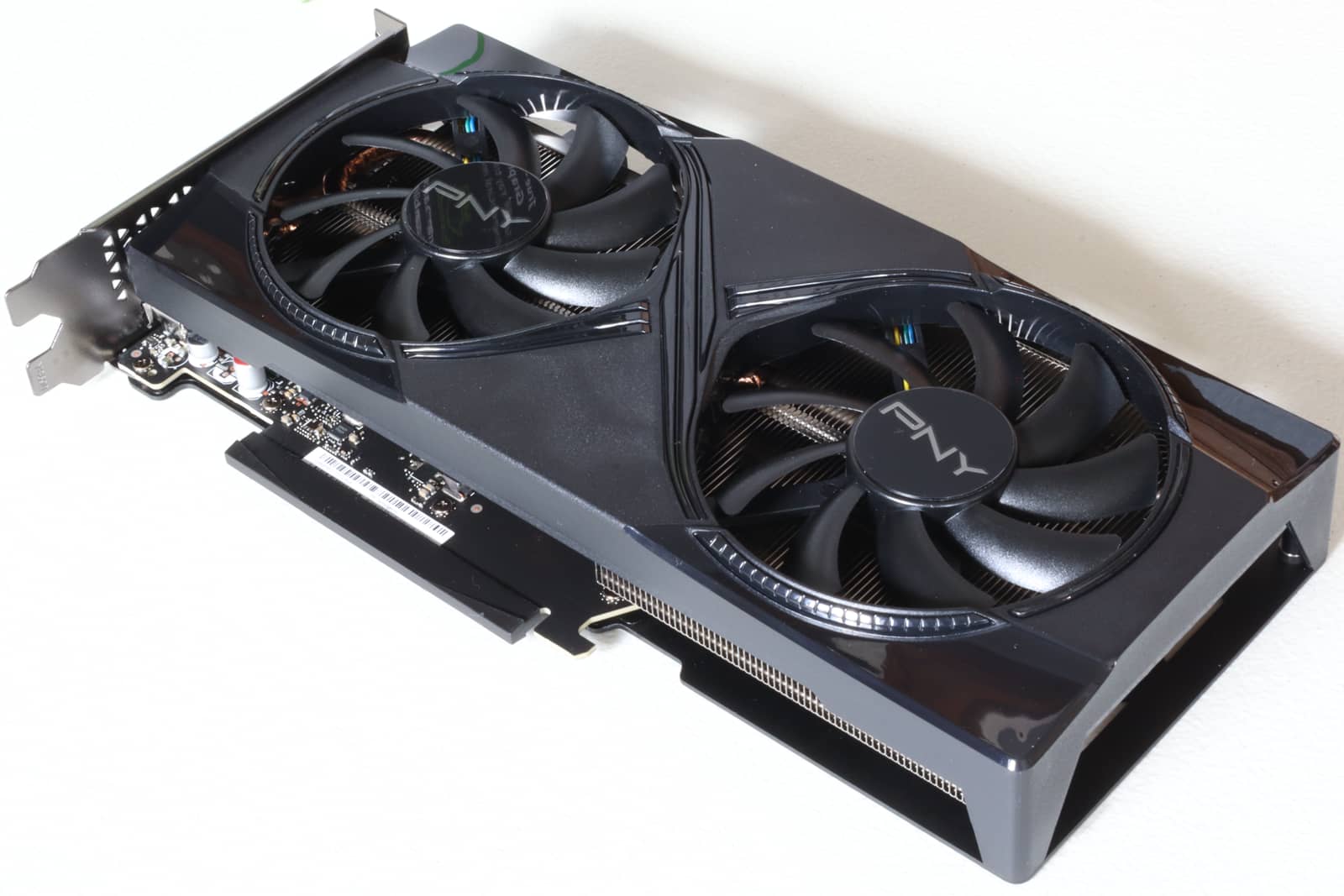
Nvidia designed a 24GB version of the RTX 5080. Board partners reportedly had physical units sitting ready to ship. Then, around December 2025, the entire RTX 50 Super refresh — the 5070 Super, the 5070 Ti Super, and that 24GB 5080 Super — quietly dropped off every public roadmap. Nearly eight months later, per How-To Geek and corroborating reports from TweakTown and AllKeyShop, there's still no launch date. There might never be one.
What Nvidia actually built, then buried
Planned RTX 50 Super lineup vs. what's shipping today
RTX 5070
Card
12GB GDDR7
VRAM
Shipping
RTX 5070 Super
Card
18GB GDDR7
VRAM
Reportedly cancelled
RTX 5070 Ti
Card
16GB GDDR7
VRAM
Shipping
RTX 5070 Ti Super
Card
24GB GDDR7
VRAM
Reportedly cancelled
RTX 5080
Card
16GB GDDR7
VRAM
Shipping
RTX 5080 Super
Card
24GB GDDR7 — design complete
VRAM
Reportedly cancelled
Card
VRAM
Status (Aug 2026)
RTX 5070
12GB GDDR7
Shipping
RTX 5070 Super
18GB GDDR7
Reportedly cancelled
RTX 5070 Ti
16GB GDDR7
Shipping
RTX 5070 Ti Super
24GB GDDR7
Reportedly cancelled
RTX 5080
16GB GDDR7
Shipping
RTX 5080 Super
24GB GDDR7 — design complete
Reportedly cancelled
The appeal here wasn't subtle. A 24GB 5080 Super would have hit that capacity by swapping in 3GB memory modules on the same PCB and the same memory bus width the regular 5080 already uses — no redesign, no new die. Fifty percent more VRAM, same card. For gamers that's headroom for the next few years of texture bloat. For anyone running local AI models on a gaming GPU instead of a $2,000+ workstation card, it was the first genuinely affordable path to 24GB from Nvidia since the RTX 3090.
the math that killed it
Here's the number that actually mattered in Nvidia's boardroom: 3GB GDDR7 modules reportedly run $60-70 each, against roughly $20 for the 2GB parts used in every RTX 50-series card sold today. An RTX 5080 Super needs eight of those modules to hit 24GB. Do the arithmetic and you get $480-560 in memory alone, versus about $160 for the 2GB equivalent — before the die, the board, the cooler, or a single cent of margin. That's not a rounding error. It's most of a mid-range GPU's entire bill of materials, in memory chips, on a card Nvidia would still have to price competitively against AMD.
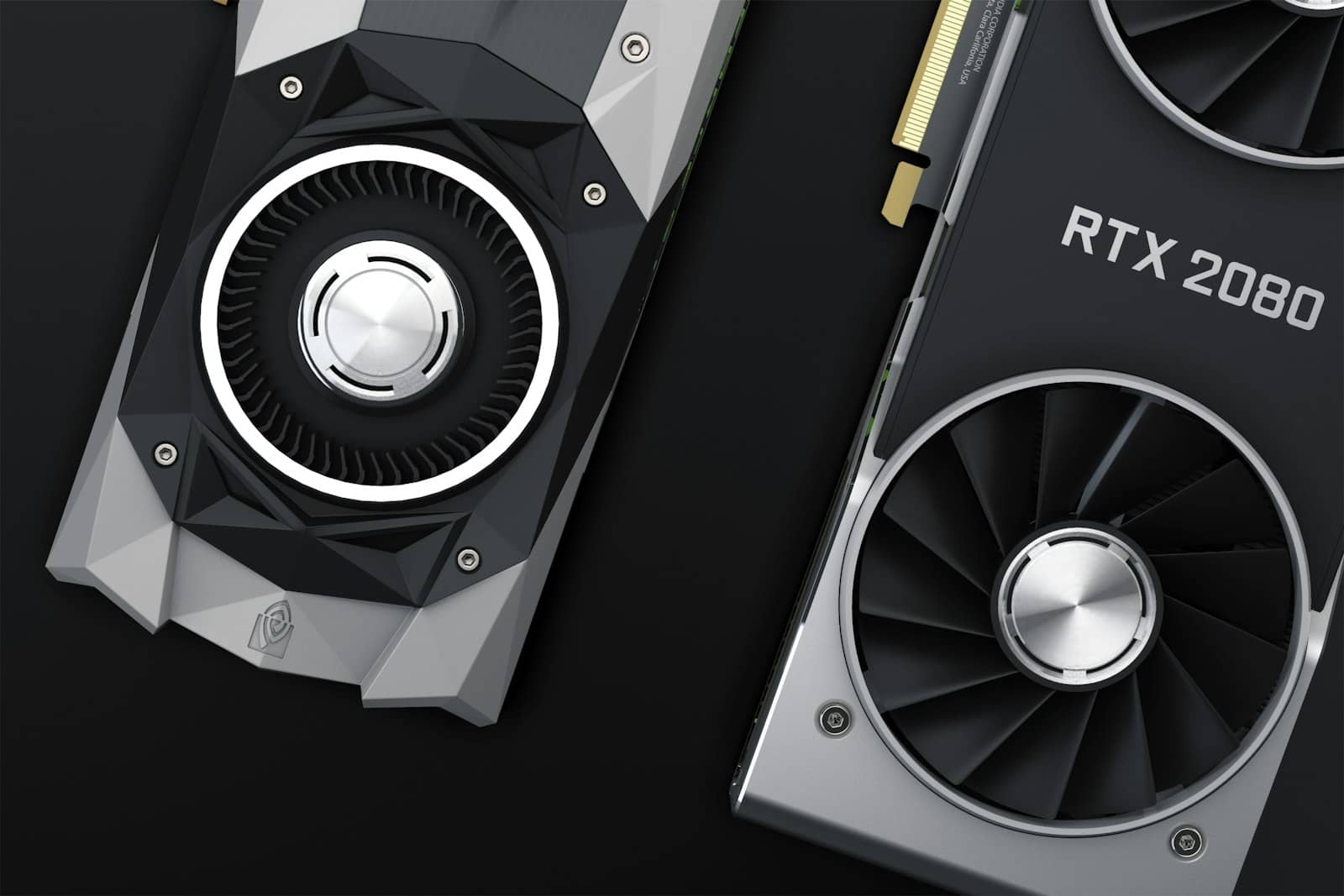
3GB GDDR7 modules reportedly cost roughly three times as much as the 2GB chips used in today's RTX 50-series cards. · Unsplash
if you were waiting for the 24GB card
Don't hold your GPU budget hostage to a launch nobody at Nvidia has confirmed and multiple reports say is dead for at least another year.
It's worth saying plainly: this is bad news specifically for anyone hoping Nvidia would hand consumers an affordable 24GB card. The company hasn't shipped one at a reasonable price since the RTX 3090, and the closest recent alternative — Apple cutting Mac Studio RAM while raising its price — tells you the entire high-VRAM market is getting squeezed from every direction at once, not just Nvidia's corner of it.
Is the RTX 50 Super definitely cancelled, or just delayed?
Nvidia hasn't confirmed either outcome. Multiple outlets, including How-To Geek and TweakTown, report that board partners were told the launch is on indefinite hold, and newer leaks point to a 2027 window or a skip straight to the next-generation 'Rubin' architecture instead.
Why not just use the existing 2GB memory chips to keep costs down?
Because you physically can't hit 18-24GB on these cards' current memory bus width using 2GB modules — that's the entire reason Nvidia needed the pricier 3GB parts in the first place. There's no cheaper path to the same VRAM number.
Does this affect the RTX 50 cards already on shelves?
No. The RTX 5070, 5070 Ti, 5080, and 5090 you can buy right now are unaffected — this is only about the unreleased 'Super' refresh that was supposed to sit between generations.
Will GPU prices come down if the Super line eventually ships?
Don't count on it. Memory cost is the entire reason it stalled, and GDDR7/DRAM supply is projected to stay tight into 2027 as AI accelerator demand keeps absorbing capacity.
Verdict
Bottom line
The 24GB RTX 5080 Super existing as a finished design and never shipping is the clearest evidence yet that Nvidia's gaming lineup is now a rounding error next to its AI business. If you need 24GB of VRAM today, buy used or buy dual mid-range cards — don't wait on a product that's been sitting finished in a warehouse for eight months with no launch plan.
Best for: Anyone holding off a GPU purchase specifically for more VRAM
Nvidia will sell you an RTX 5090 at MSRP if you show up to the right parking lot — it did exactly that at QuakeCon a few weeks ago. What it apparently won't do right now is ship a mid-range card with real VRAM headroom, because the memory inside it is worth more sold to a data center. That's the RTX 50 generation in one sentence, and there's no sign it changes before the next one.