Raspberry Pi's CEO says the Pi 6 won't land before early 2028 and won't have an NPU. I think telling people that plainly is the most useful thing they could have done — even though it's not what anyone wanted to hear.
If you've been holding off on a Raspberry Pi purchase waiting for the next generation, Raspberry Pi has an answer, and it's to stop waiting. In a Reddit AMA on May 21, 2026, CEO Eben Upton and two senior engineers said the Pi 6 won't arrive before early 2028 — and when it does, it won't include an onboard NPU. Upton's framing, as reported from the session, was that the Pi 6 amounts to 'quantitative changes, not qualitative ones.'
What the Pi 6 will and won't be
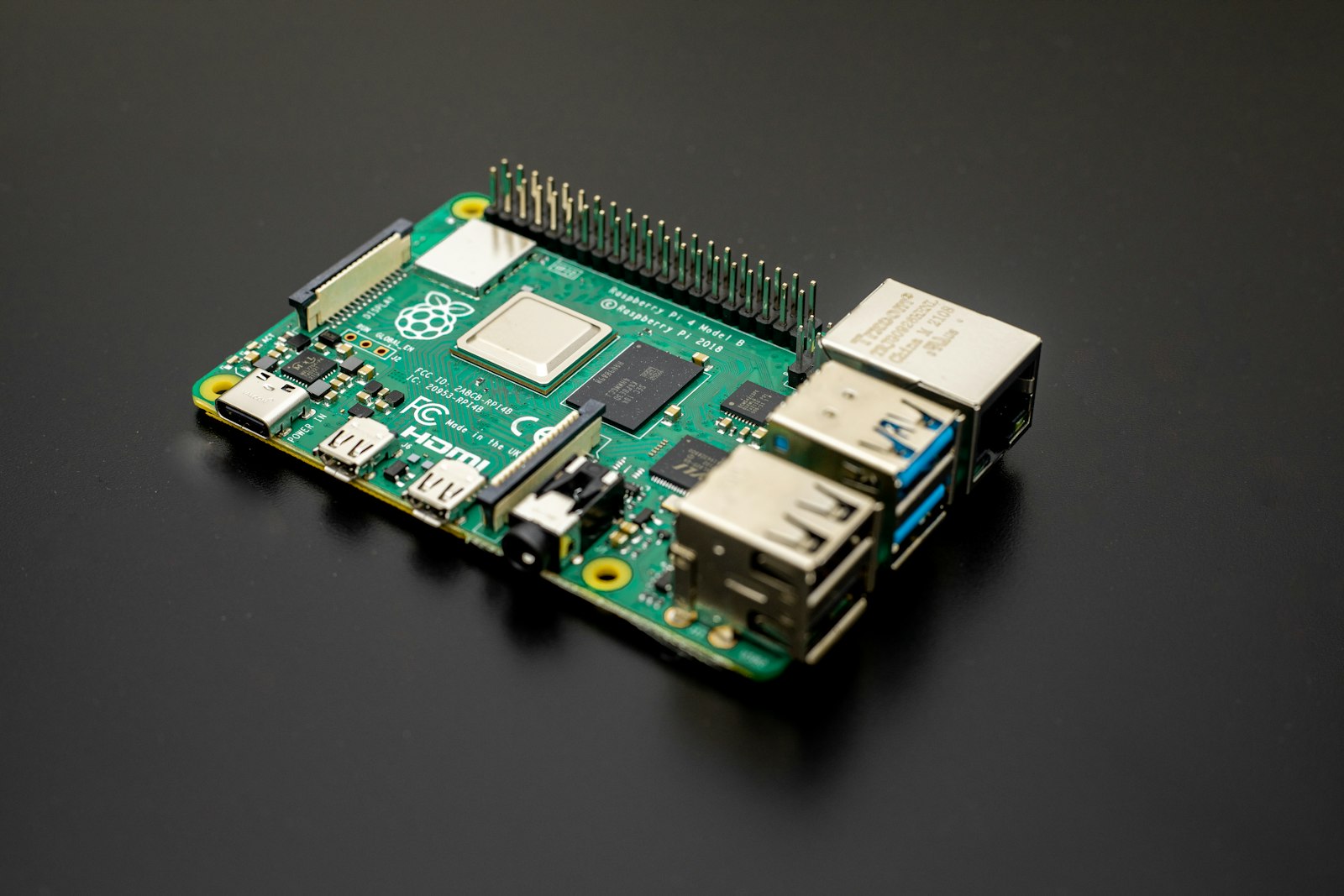
The picture that emerged is essentially a Pi 5 with a faster CPU, more I/O and more memory bandwidth. No new port types, no onboard M.2 slot. That's a meaningful upgrade but an incremental one — which is exactly what 'quantitative, not qualitative' is telling you. Anyone imagining a dramatically reinvented board is going to be disappointed, and I'd rather Raspberry Pi say so now than let two years of expectation build up in forum threads. Jeff Geerling's write-up is the most useful summary if you want the engineering detail.
What to expect from the Pi 6
Faster CPU
Feature
Expected
More I/O
Feature
Expected
More DRAM bandwidth
Feature
Expected
Onboard NPU
Feature
Ruled out — HATs instead
Onboard M.2 slot
Feature
Not planned
New port types
Feature
Not planned
Arrival
Feature
Early 2028 at the soonest
Feature
Status
Faster CPU
Expected
More I/O
Expected
More DRAM bandwidth
Expected
Onboard NPU
Ruled out — HATs instead
Onboard M.2 slot
Not planned
New port types
Not planned
Arrival
Early 2028 at the soonest
The practical upshot: design your projects around the Pi 5. It's the flagship for the next couple of years. · Unsplash
The NPU decision is the interesting one
In a market where every silicon vendor is bolting neural accelerators onto everything, Raspberry Pi is deliberately not. Its position is that AI acceleration belongs on add-on hardware — the existing AI Kit and AI HAT+ route — rather than baked into the SoC. I think that's the right call, and I'd defend it against the obvious objection.
Why the delay, and what it says
The timing ties directly to money rather than engineering. Raspberry Pi has raised prices three times in five months because LPDDR4 costs rose roughly seven-fold, and launching a new memory-hungry board into that market makes little sense. Waiting out the memory market is the rational move — and it's the same calculus reshaping product roadmaps across the industry this year, from delayed graphics cards to consoles going up in price.
There's something genuinely refreshing about a hardware company saying plainly 'the next thing is years out, here's what it won't do, plan accordingly.' Compare that to the industry norm of hinting at a roadmap to freeze purchases. Raspberry Pi has effectively told people to go and buy the current board, which is the opposite of what a company optimising for hype would do.
So what should you actually do?
Build around the Pi 5 and stop deferring projects. There's no strategic reason to wait for a successor that's two years out and incremental when it lands. If you need on-device AI in the meantime, budget for an AI HAT rather than hoping the next board bundles one — that's now confirmed as the long-term direction rather than a stopgap.
The one caveat I'd add is the same one from our pricing piece: check which board you actually need. The low-end models using older memory weren't hit by the increases, so if your project is a lightweight always-on service, the cheap boards remain excellent value. It's specifically the high-memory Pi 5 where I'd price a small x86 mini PC before committing.
Common questions
When is the Raspberry Pi 6 coming out?
Not before early 2028, according to Raspberry Pi's CEO and engineers in a May 2026 AMA. That's a floor rather than a promise — treat it as 'not soon' rather than a date.
Will the Pi 6 have an NPU?
No. Raspberry Pi has said AI acceleration stays on add-on hardware like the AI Kit and AI HAT+ rather than being integrated into the SoC.
Should I wait for the Pi 6?
No. Two years is too long to defer a project for an incremental upgrade, and Raspberry Pi has effectively said as much themselves.
Is the Pi 5 still the flagship?
Yes. No new flagship board has been announced for 2026, and the Pi 5 is what to design around.
Why the long gap between generations?
Memory costs. LPDDR4 pricing rose roughly seven-fold over a year, which has already forced three price increases — launching a new board into that market would be difficult to price sensibly.