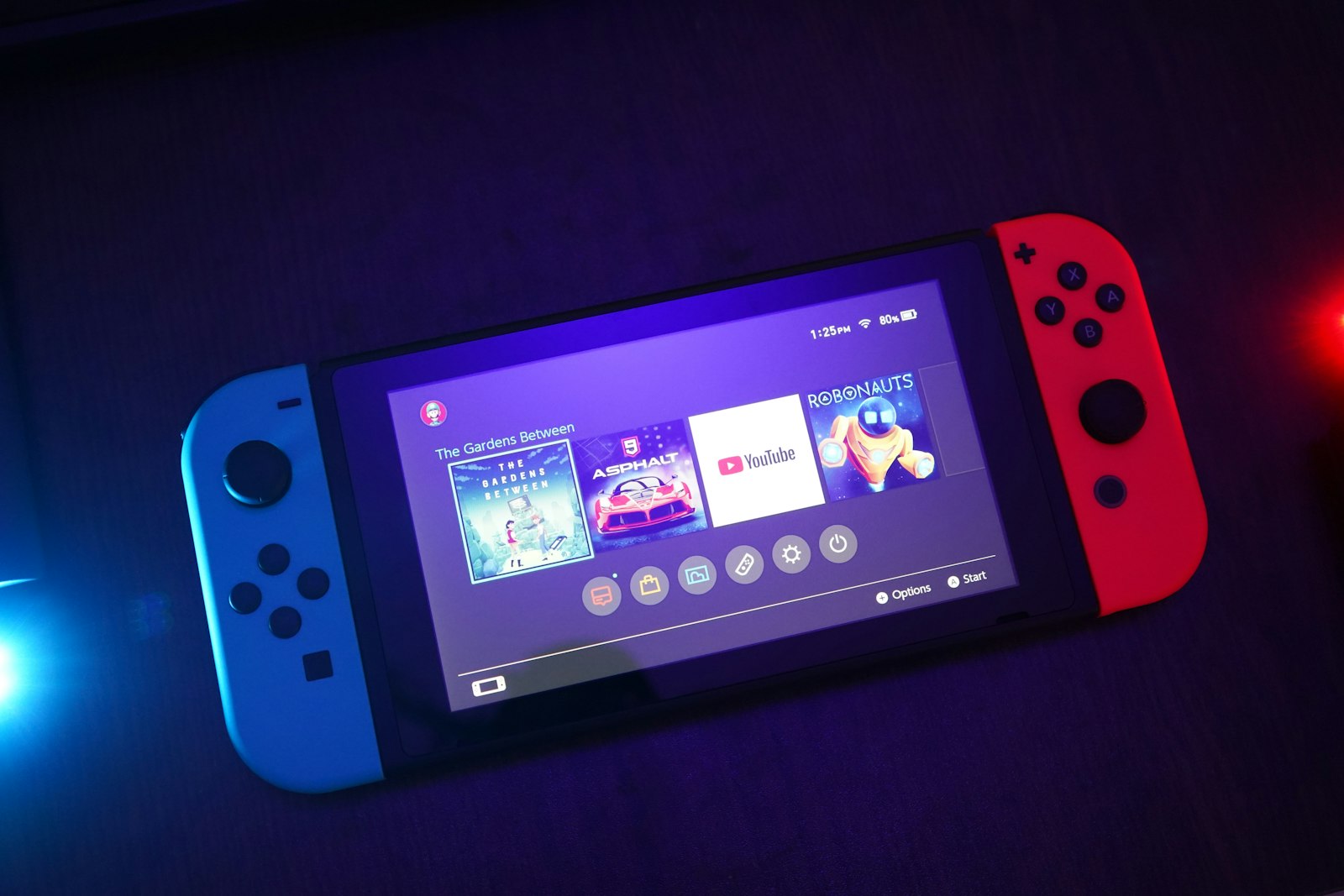
the EU forced Nintendo to make the Switch 2 battery user-replaceable, and it costs about 1% of capacity. I'd take that trade every single time — and I suspect every handheld maker is about to face the same choice.
Regulation just changed a console's physical design, which doesn't happen often. Nintendo confirmed a revised Switch 2 — plus Joy-Con 2 and several controllers — with user-replaceable batteries, rolling out in the EU, UK and select other regions from autumn 2026. The driver is the EU Right-to-Repair Directive taking effect July 31, 2026. If you live in those markets, the console you buy this autumn is physically different from the one sold at launch.
The trade-off, in actual numbers
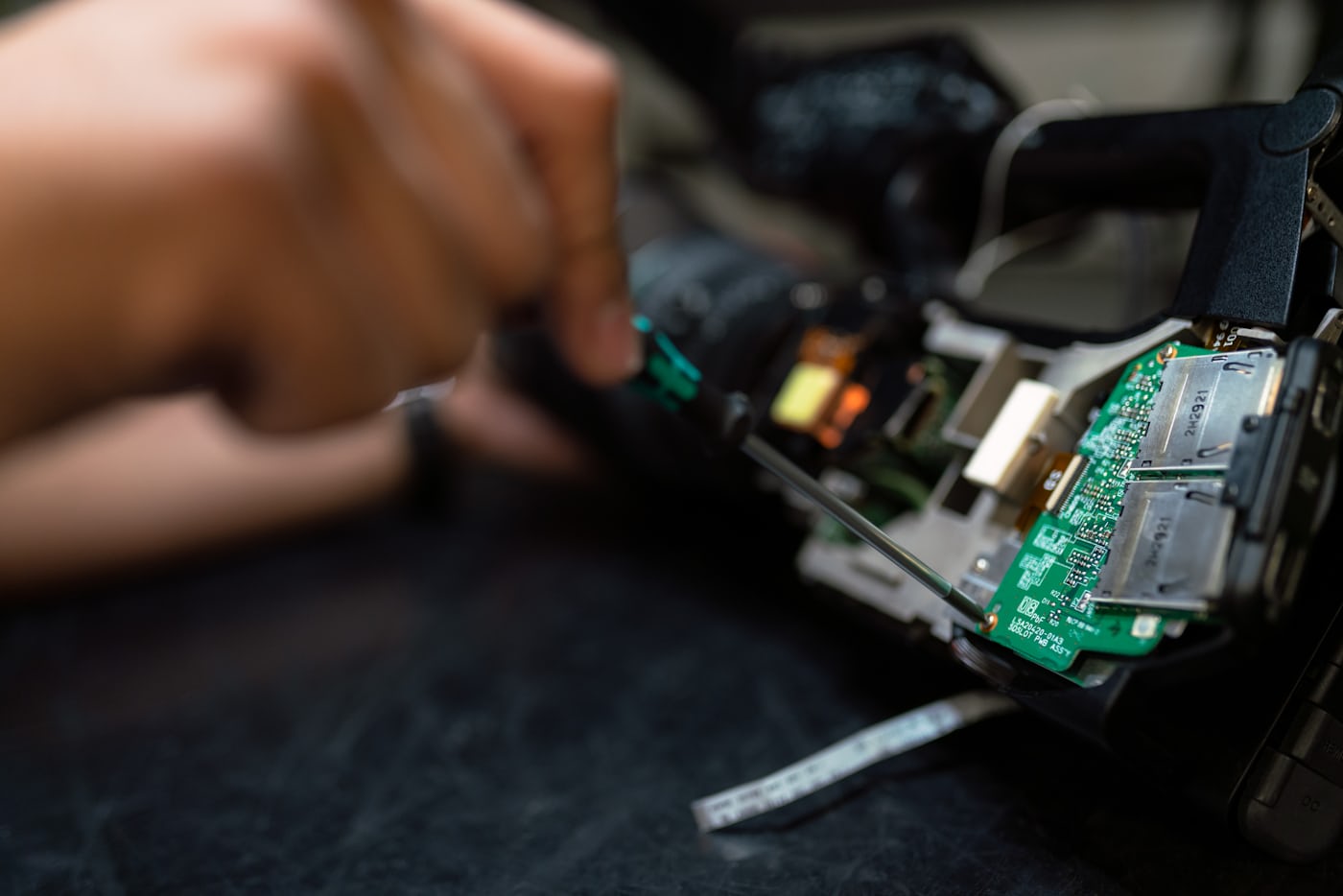
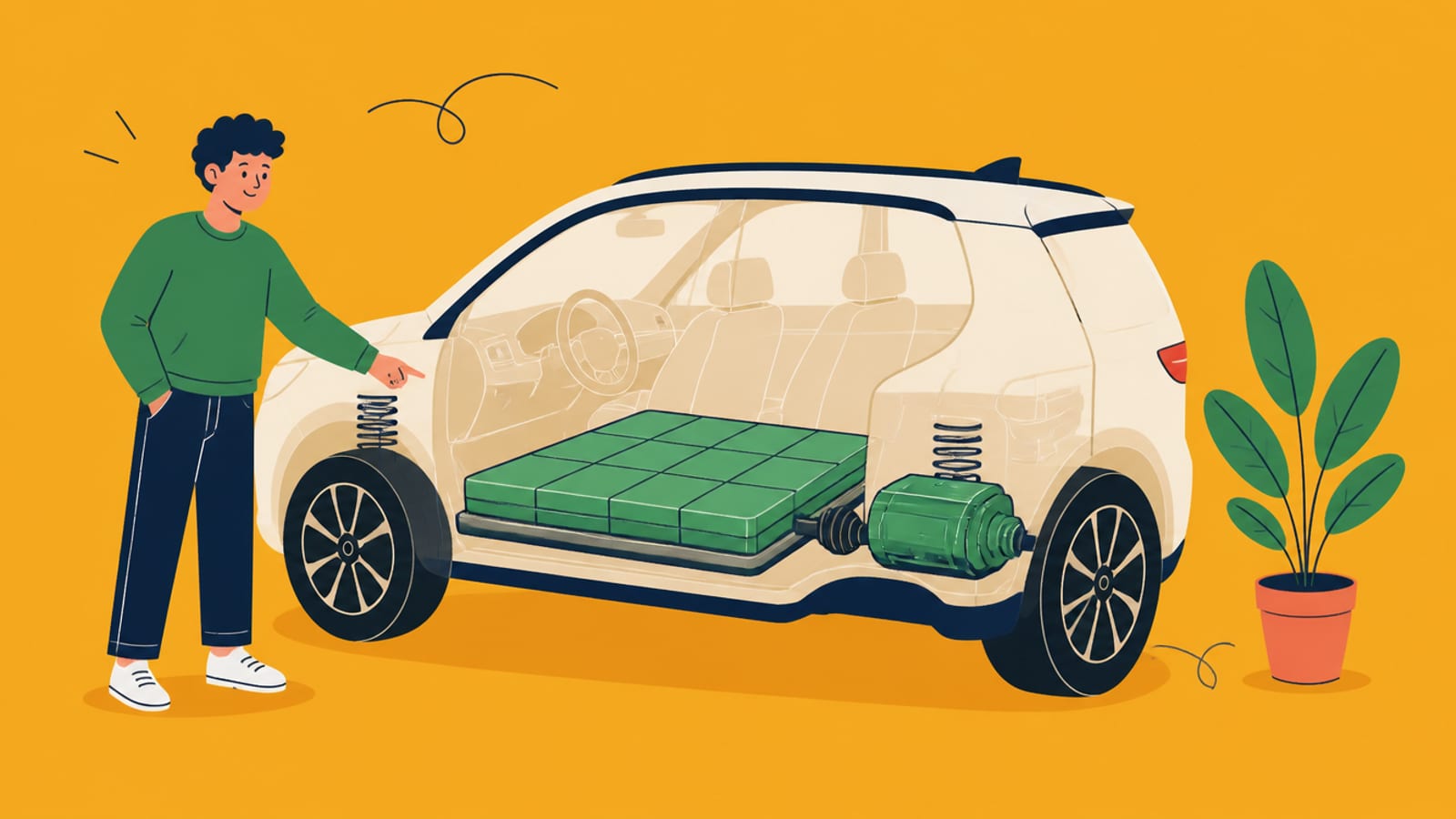
Making a battery user-removable costs internal volume. You need a housing, a connector and an access path instead of a glued-in cell occupying every available millimetre. Nintendo's revision lands at 5,172mAh against the original's 5,220mAh, and the console gains roughly 10 grams, to 401g. That's about a 1% capacity reduction — real, but not something you'd notice across a play session. The new Pro Controller due this winter reportedly takes a larger hit, with a battery around 16% smaller. PC Gamer's coverage has the fuller regional breakdown.
A battery you can actually replace in four years, for the cost of about 1% capacity today. · Unsplash
Why this matters well beyond Nintendo
This is the first time a major console maker has redesigned current-generation hardware specifically to meet repairability law, and it sets the template. Every handheld-PC and console manufacturer selling into Europe is looking at the same directive. The open question is whether they follow Nintendo's approach — a regional variant — or eventually standardise globally, because maintaining two hardware SKUs is expensive and annoying.
History suggests the latter. When the EU forced USB-C on phones, the rest of the world inherited it, because building a separate product for one market rarely survives contact with a spreadsheet. I'd expect the same here, which would make this a quietly significant moment for handheld hardware generally rather than a Nintendo curiosity.
The awkward timing
It's worth noting what else is happening to this console at the same time. The Switch 2 is the fastest-selling console Nintendo has ever made, and it's also going up $50 to $499.99 on September 1 because of memory costs. So European buyers get a slightly heavier, slightly shorter-lived, more repairable console at a higher price — a genuinely mixed proposition depending on which of those you weight most.
My read: if you're in the EU or UK and not in a hurry, the autumn revision is the one I'd want, price rise notwithstanding. Repairability compounds over the life of a device in a way that 48mAh simply doesn't.
Common questions
Which regions get the replaceable battery?
The EU, UK and select other regions including Saudi Arabia, the UAE and South Africa, from autumn 2026.
Is the battery smaller?
Slightly — 5,172mAh versus 5,220mAh, roughly a 1% reduction, plus about 10g of extra weight. Not noticeable in normal use.
Can I replace it myself, or does it need a service centre?
The design is user-replaceable, which is the point of the directive — it's meant to be serviceable without shipping the console away.
Do the controllers change too?
Yes. Joy-Con 2 and the updated Pro, N64 and GameCube controllers get removable batteries. The new Pro Controller reportedly carries a roughly 16% smaller cell as a result.
Will this come to the US?
Nintendo hasn't said. Historically, EU-mandated hardware changes tend to spread globally because maintaining separate SKUs is expensive — but that's a pattern, not a promise.