
BuildInteractive
Logging in doesn't prove you're you — it proves you hold something
What an app actually checks when you log in, and the session it starts the moment you pass. Tap through a real login.
Aliteq Team · Sep 26 · 4 min
For people who build software by talking to AI — how the machine thinks, what's really running your app, and how not to get burned · page 5
What an app actually checks when you log in, and the session it starts the moment you pass. Tap through a real login.
Aliteq Team · Sep 26 · 4 min

The same kind of model can run on a company's servers or on your own computer. What flips for privacy, cost, speed and model choice — and why your GPU's memory is the ceiling.
Aliteq Team · Sep 26 · 4 min

Some models write out their working before they answer. What that actually buys you, what the thinking tokens cost, and the kinds of task where switching it on pays off.
Aliteq Team · Sep 26 · 4 min

A model on its own can only talk. Tools let it act inside your app; agents let it choose their own next step — and that's where the power and the risk both come from.
Aliteq Team · Sep 26 · 4 min
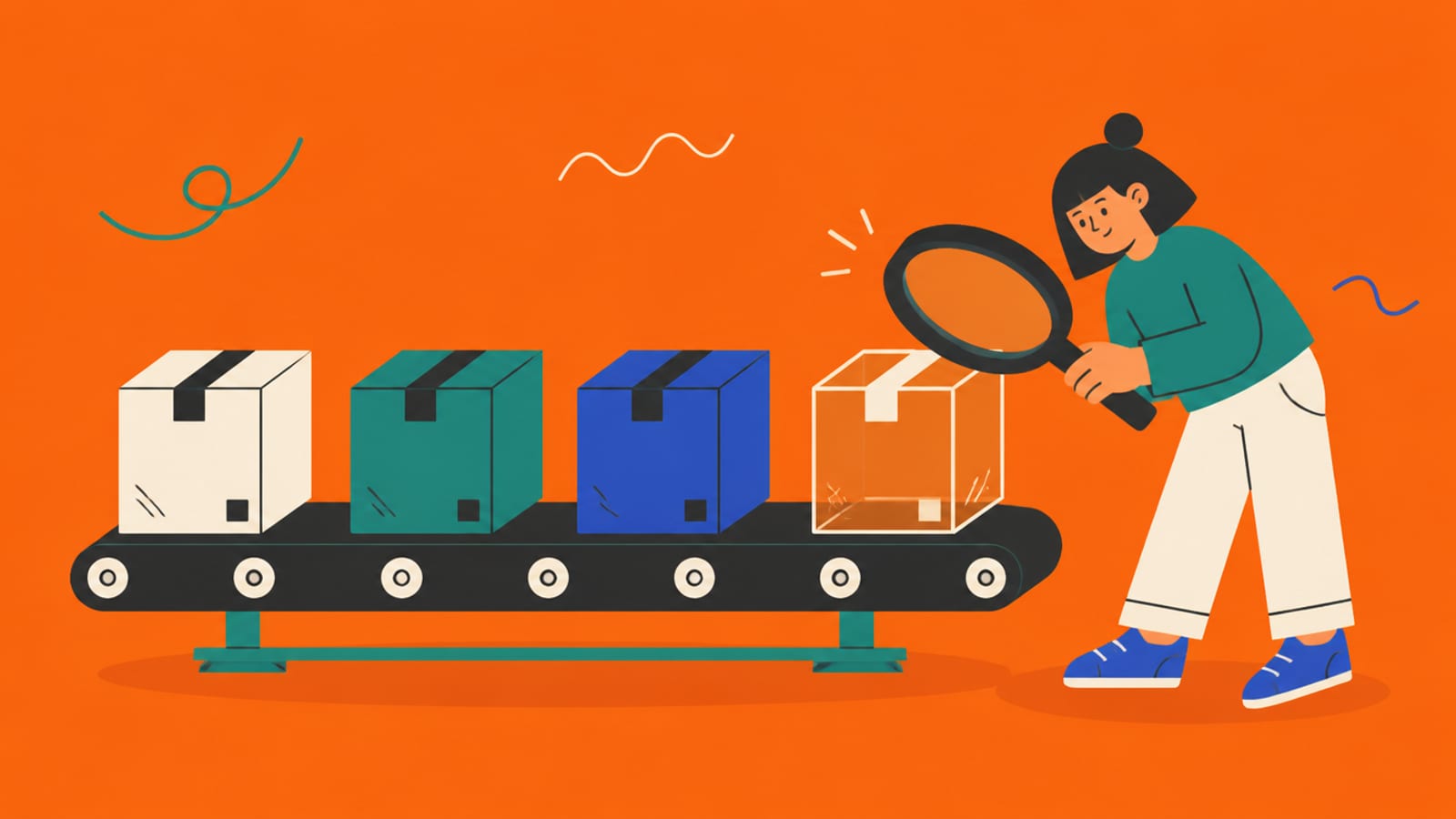
Code models sometimes invent library names, and attackers register those names to wait for you. The research behind it, and the one check that catches it. Try spotting the fake.
Aliteq Team · Sep 26 · 4 min

The model picks each next word from a shortlist, and "temperature" decides how adventurous that pick is. Turn the dial, watch the output shift — and see why newer models take the choice away.
Aliteq Team · Sep 26 · 4 min

The idea behind every modern model, shown as a heatmap you can tap: how it decides which of your earlier words matter for the word it's writing next.
Aliteq Team · Sep 26 · 4 min

The model has no memory of its own. Once a conversation outgrows its window, your earlier decisions quietly fall out. See what drops, what gets summarised, and the habit that keeps what matters in view.
Aliteq Team · Sep 26 · 4 min

Everything the model can see at once — your prompt, the chat so far, your files, its own reply — sits in one window with a fixed limit. Tap to watch it fill, and see why bigger isn't automatically better.
Aliteq Team · Sep 26 · 4 min

The model never sees words; it sees tokens, and they're what your context limit and your bill are measured in. Tap the meter to watch a sentence break apart into them.
Aliteq Team · Sep 26 · 4 min
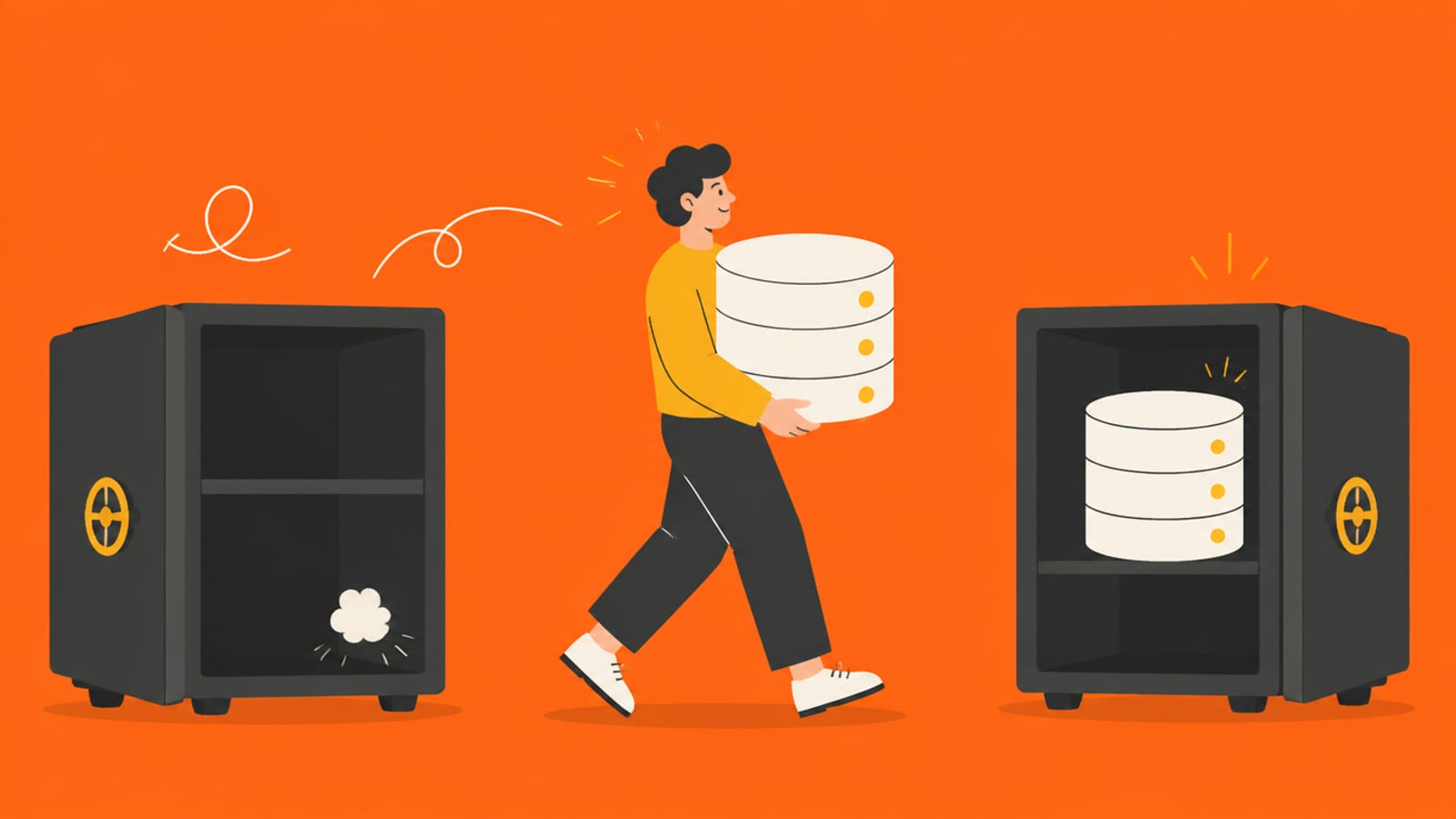
It happened to a Replit user in 2025 and to a Cursor user in 2026. What to check in the first ten minutes, why Lovable's and Replit's undo buttons don't bring data back by default, and the backup habit that does.
Aliteq Team · Sep 25 · 6 min
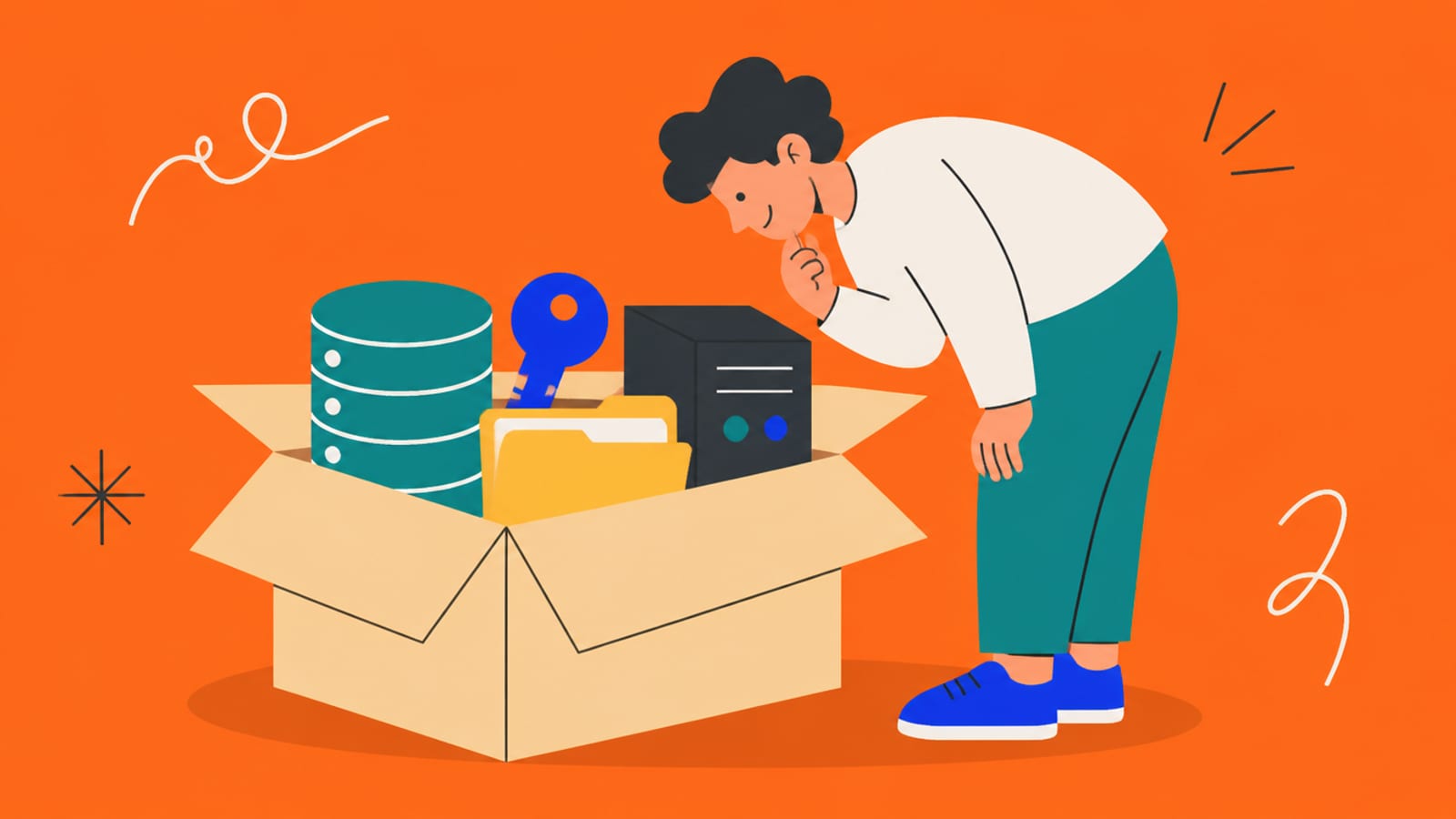
A hosted database, login, an automatic API and file storage in one box. What's inside, what the free plan covers, and the one setting it asks you to get right.
Aliteq Team · Sep 25 · 4 min
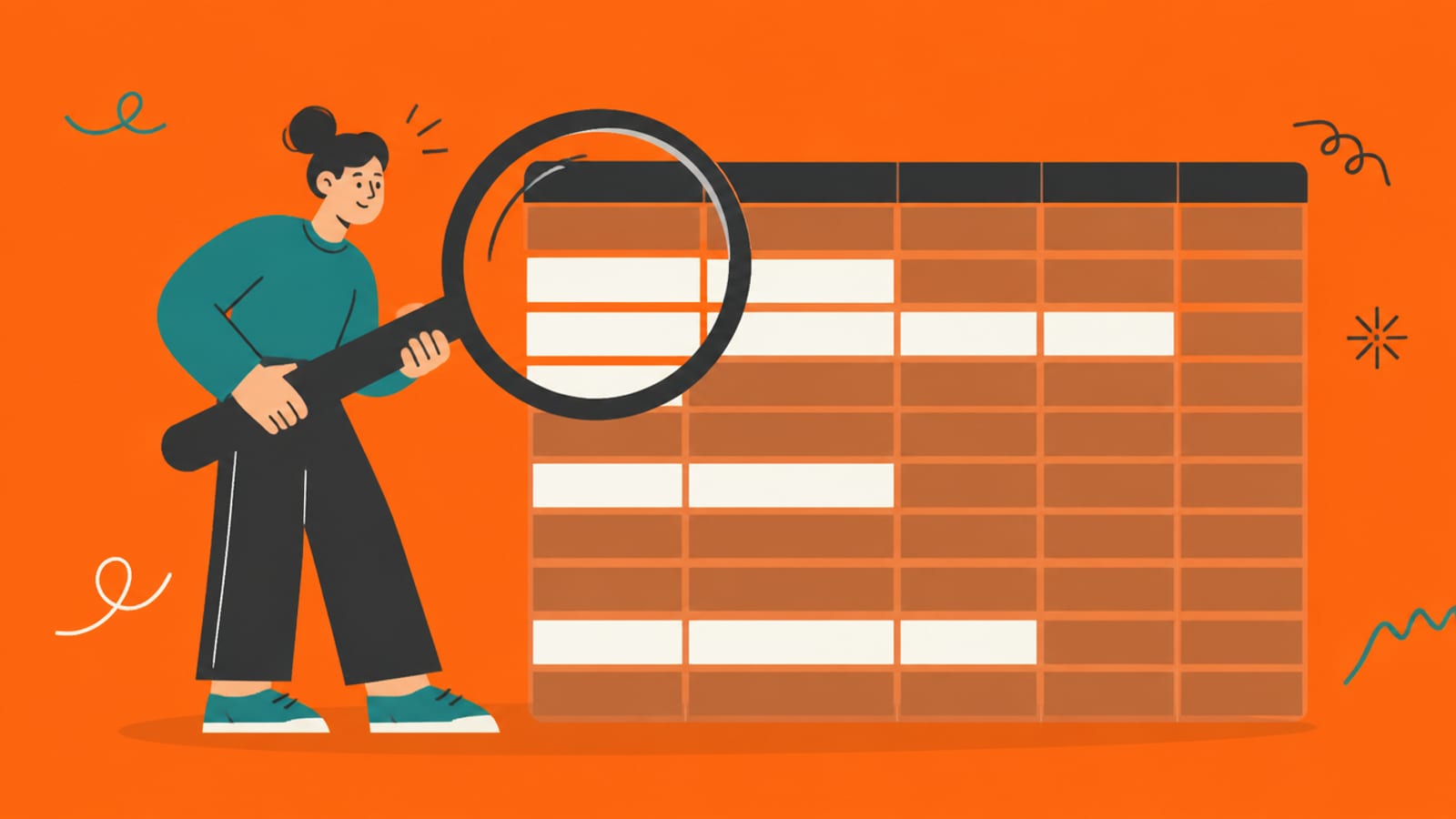
How your app asks a database for exactly the rows it wants, and what a missing filter exposes. Tap to run one and watch the WHERE clause work.
Aliteq Team · Sep 25 · 4 min

How a database lays things out, why every column has a type, and the ID that decides whose orders are whose. Tap through a live table.
Aliteq Team · Sep 25 · 4 min

It isn't just a spreadsheet. What a database is, why it can find one row among millions, and where Supabase fits. Tap the table to see it work.
Aliteq Team · Sep 25 · 4 min

Every part of your app sits on one side of a wall. The frontend runs on the user's device and is readable by anyone; the backend runs on your servers. The rule for what goes where. Tap to see the split.
Aliteq Team · Sep 25 · 4 min

Why your app talks to other companies' servers (OpenAI, Stripe), what an API key really is, and why the kitchen has to check every order. Tap through the menu.
Aliteq Team · Sep 25 · 4 min

A server receives requests and sends answers. What it can see that the browser can't, why your keys belong on it, and what "serverless" actually means. Tap to watch one respond.
Aliteq Team · Sep 25 · 4 min