Build
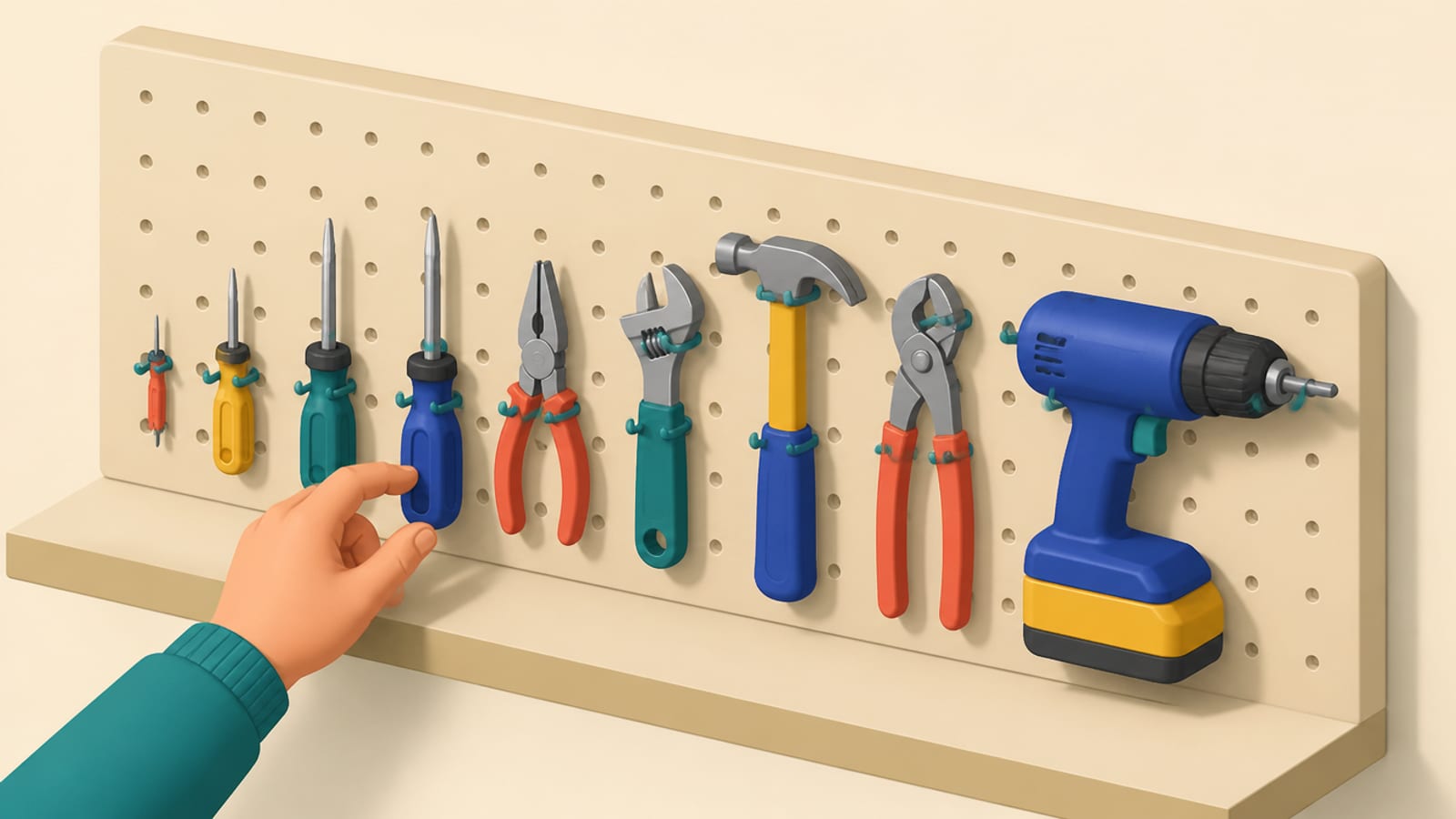
You're paying for the smartest model to rename a button
Most AI tools let you pick a model, and the wrong pick burns time and money. When a fast, cheap model is plenty, and when a slow, thinking one earns its keep.
Aliteq Team · Sep 26 · 5 min
40 articles · newest first
Most AI tools let you pick a model, and the wrong pick burns time and money. When a fast, cheap model is plenty, and when a slow, thinking one earns its keep.
Aliteq Team · Sep 26 · 5 min

The vibe-coder trap is fixing AI code until it's a knot. When a clean rewrite wins over another patch, shown with a real before-and-after and a simple rule for deciding.
Aliteq Team · Sep 26 · 5 min
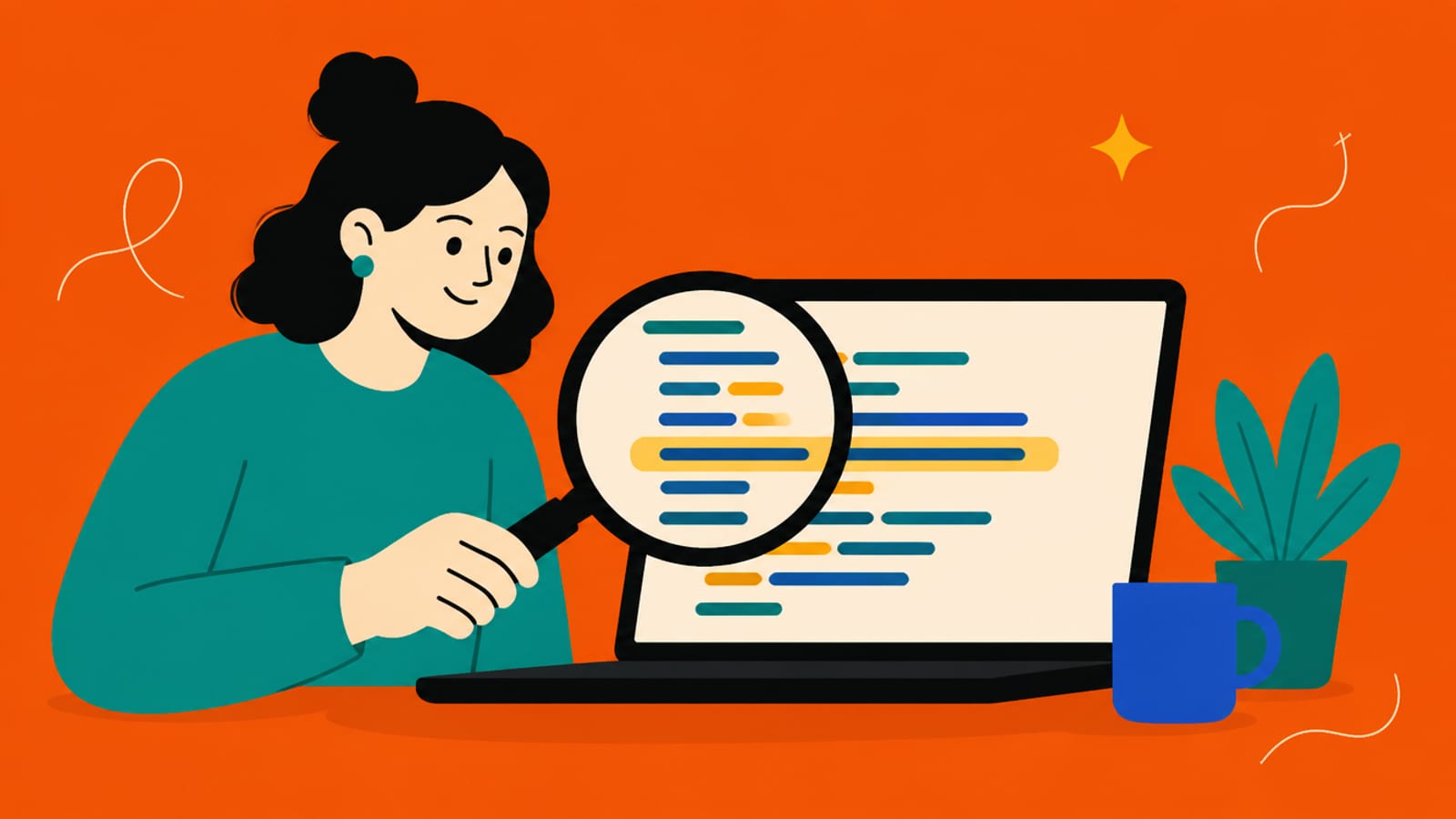
You don't need to write code to vibe code, but you do need to read it. Three things to look for in a diff — logged secrets, scope creep, silent data changes. Try reading one.
Aliteq Team · Sep 26 · 5 min

The habit that separates people who ship safe apps from people who ship bugs: generate, then ask the model to break what it just wrote. Shown with a real before-and-after.
Aliteq Team · Sep 26 · 5 min
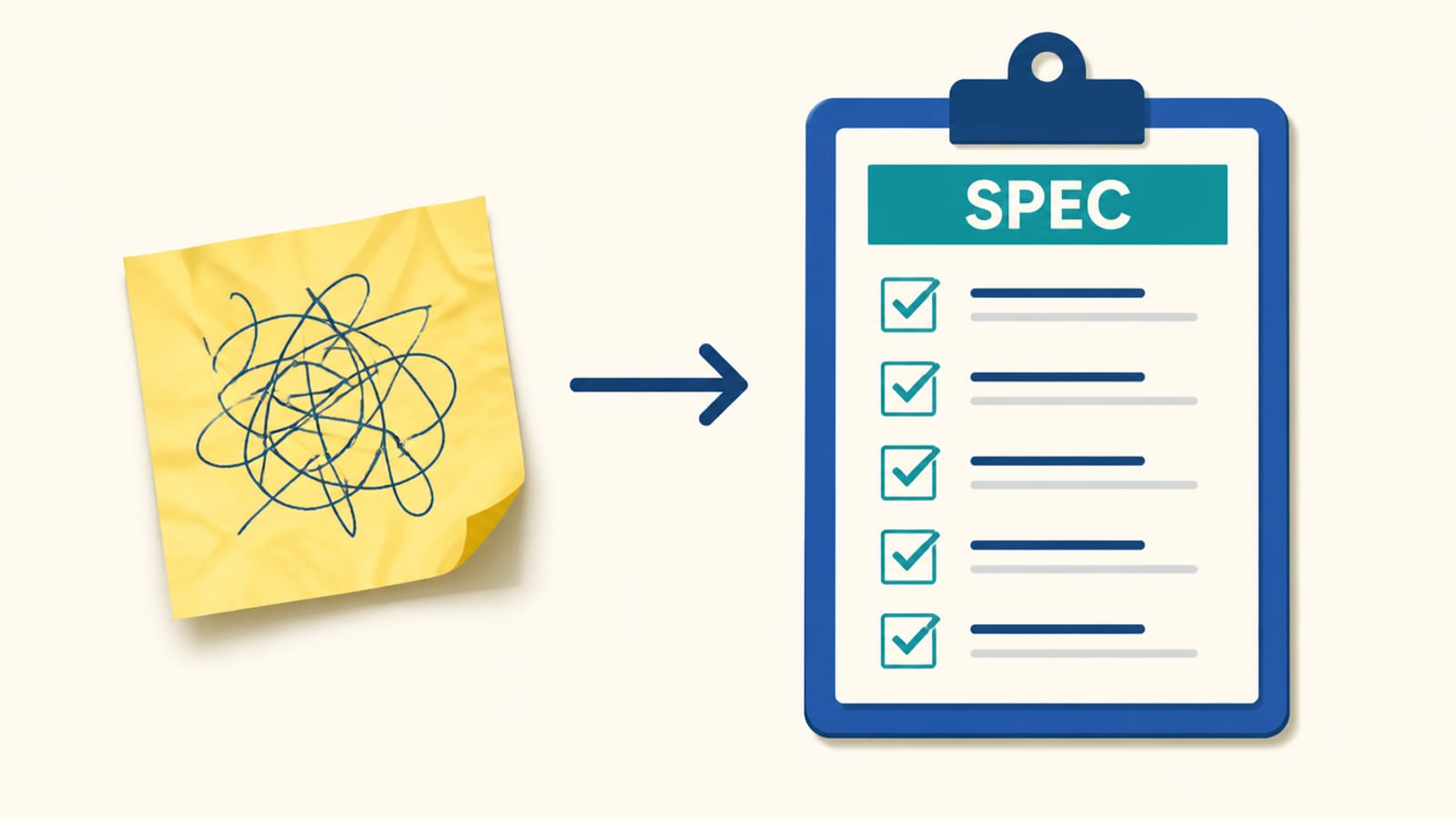
The single biggest upgrade to vibe coding is treating a prompt as a spec. See the same request go vague → specific → constrained, with the real code each version produced. Try building one.
Aliteq Team · Sep 26 · 5 min
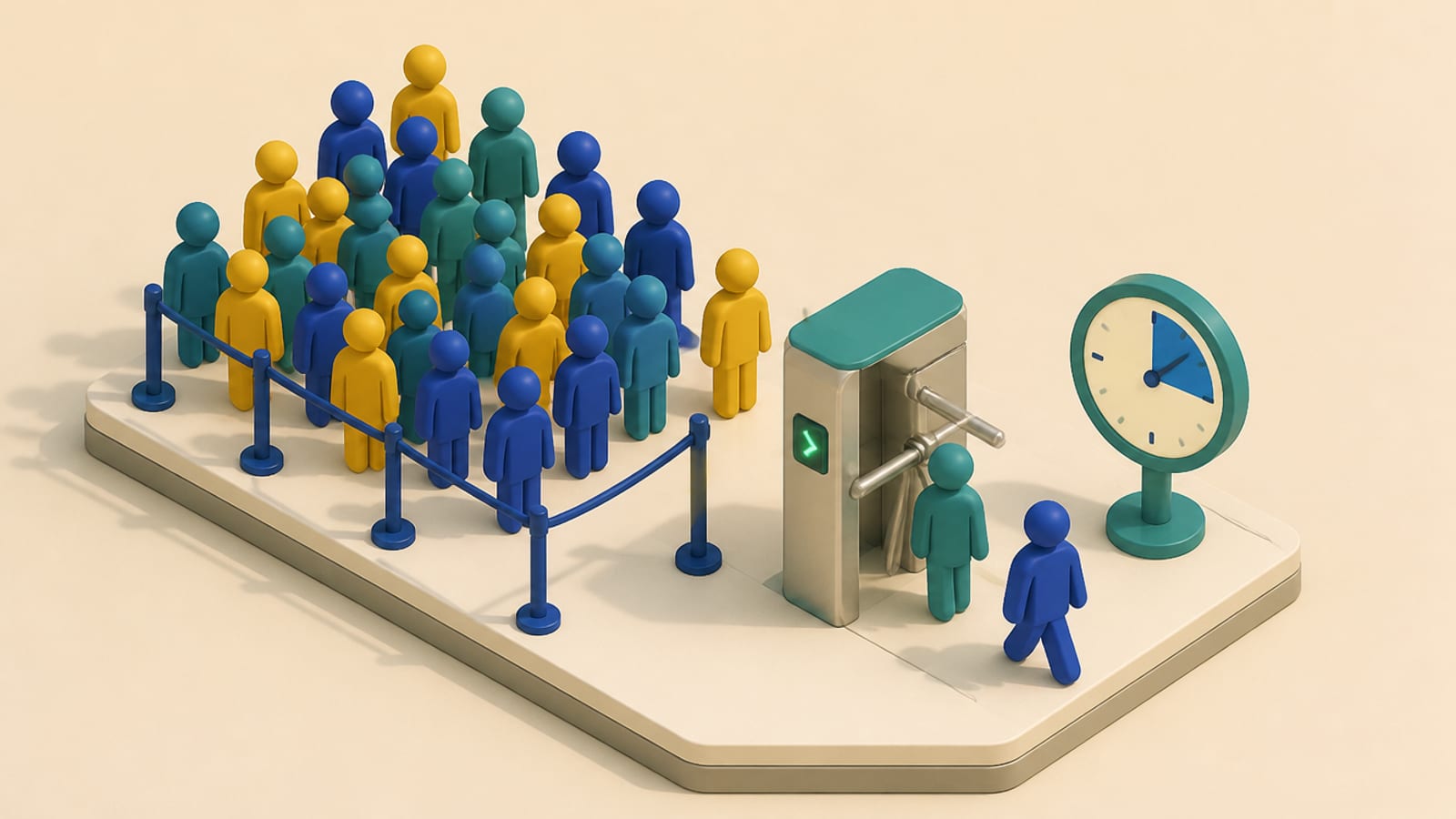
A rate limit caps how many requests someone can fire in a window, so bots, bugs and abuse can't swamp your app or your bill. Why every public endpoint needs one. Tap to watch it hold.
Aliteq Team · Sep 26 · 4 min

What happens to a vibe-coded app when it suddenly gets popular, the two ways to handle it, and why "works for ten" isn't "works for ten thousand". Tap to add users.
Aliteq Team · Sep 26 · 4 min
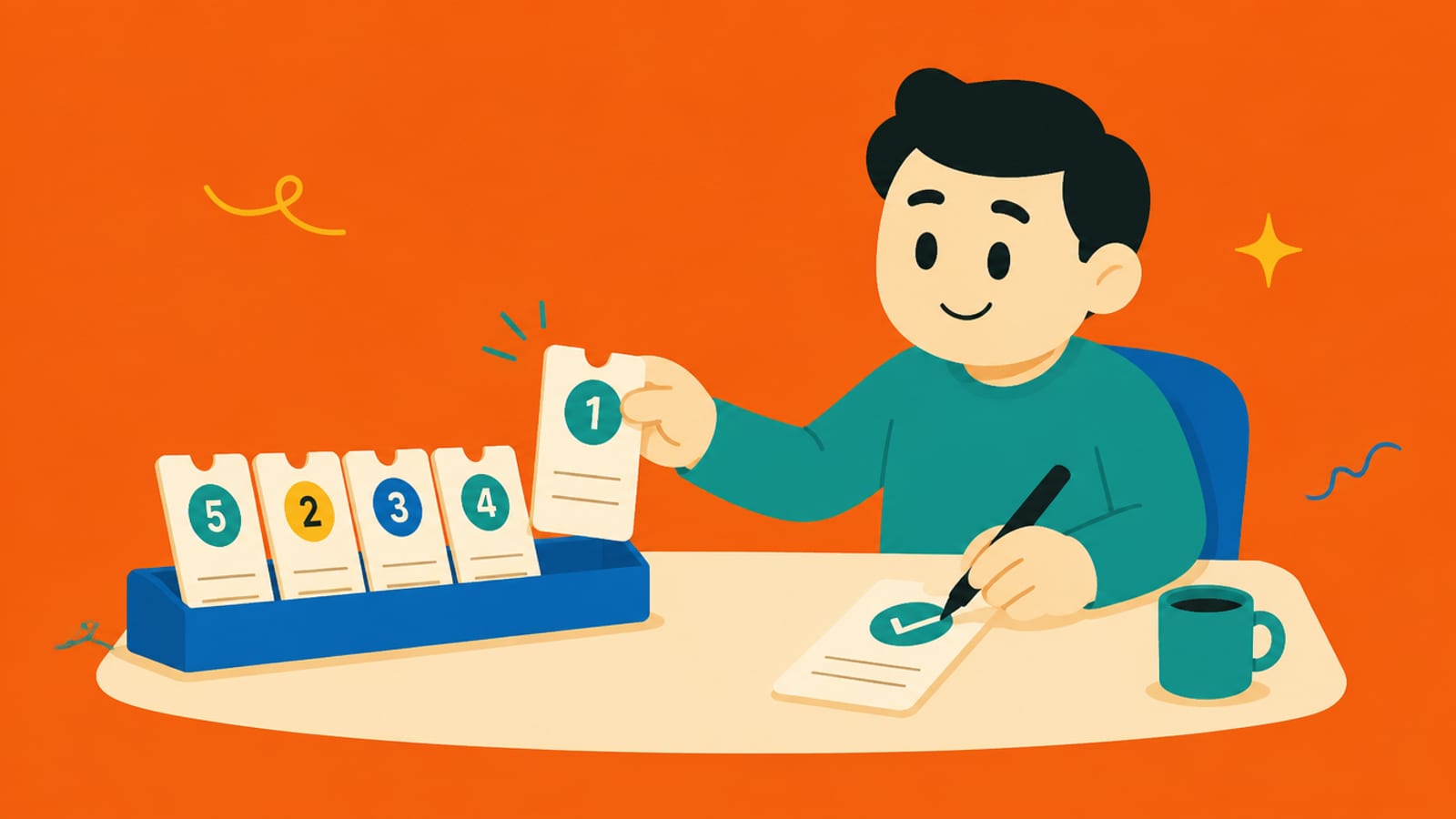
Why a vibe-coded app should push slow work to a background job instead of freezing the user, and how queues keep an app responsive when traffic spikes. Tap to load it up.
Aliteq Team · Sep 26 · 4 min
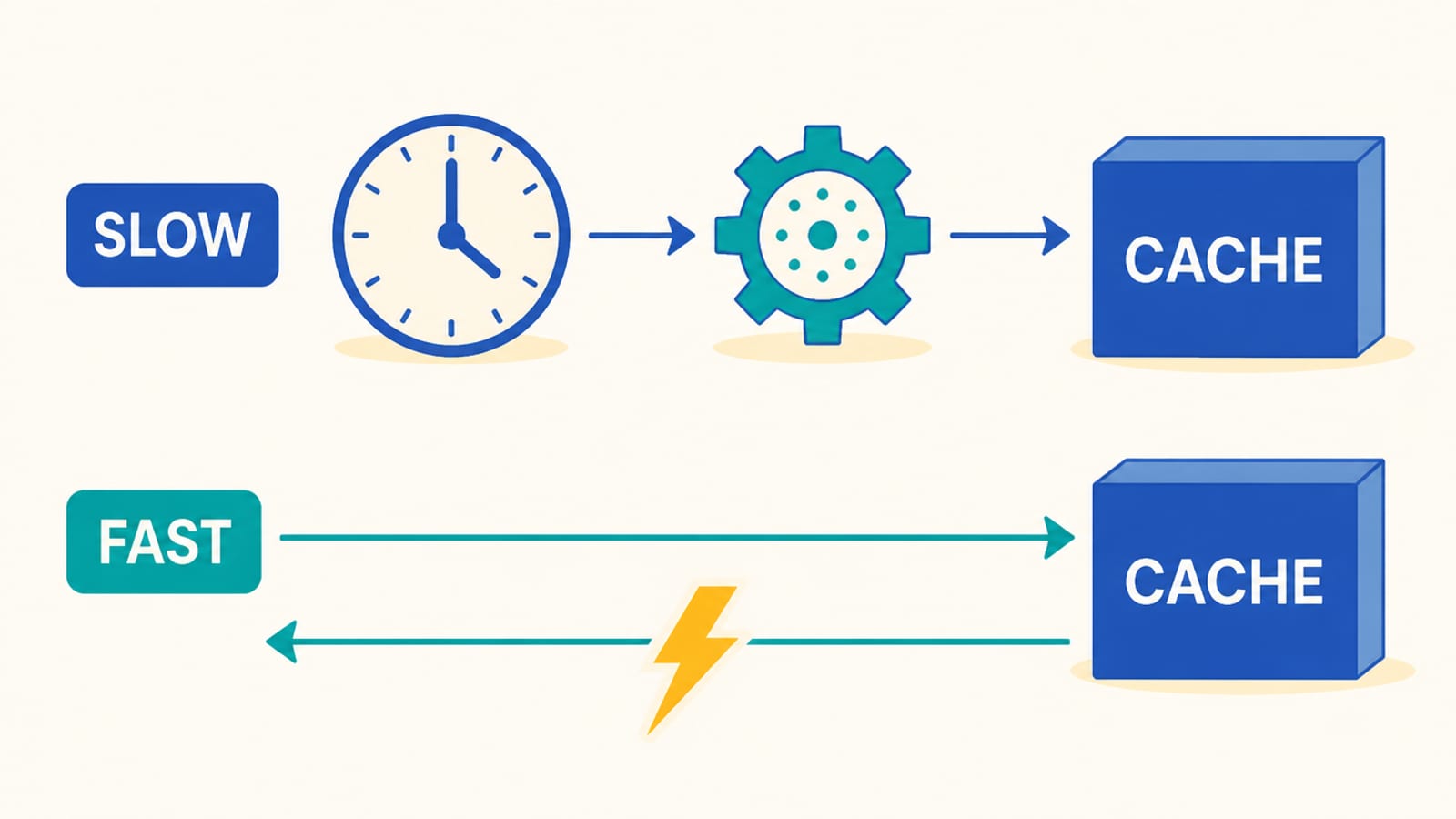
A cache keeps a ready-made copy so pages load instantly — most of the web's speed, and the classic bug where old data won't go away. What its lifetime (TTL) controls.
Aliteq Team · Sep 26 · 4 min

Latency is the wait between a request and its answer, and distance is the biggest cause. Why far-away users feel the lag, and the one thing that fixes most of it. Tap the ladder.
Aliteq Team · Sep 26 · 4 min

When a vibe-coded app suddenly fails, the error log is the first place to look. How to read one, and why "it just broke" almost never means what it says.
Aliteq Team · Sep 26 · 4 min

What a file actually is, why its type matters, and how it differs from memory that forgets the instant the power goes off.
Aliteq Team · Sep 26 · 4 min
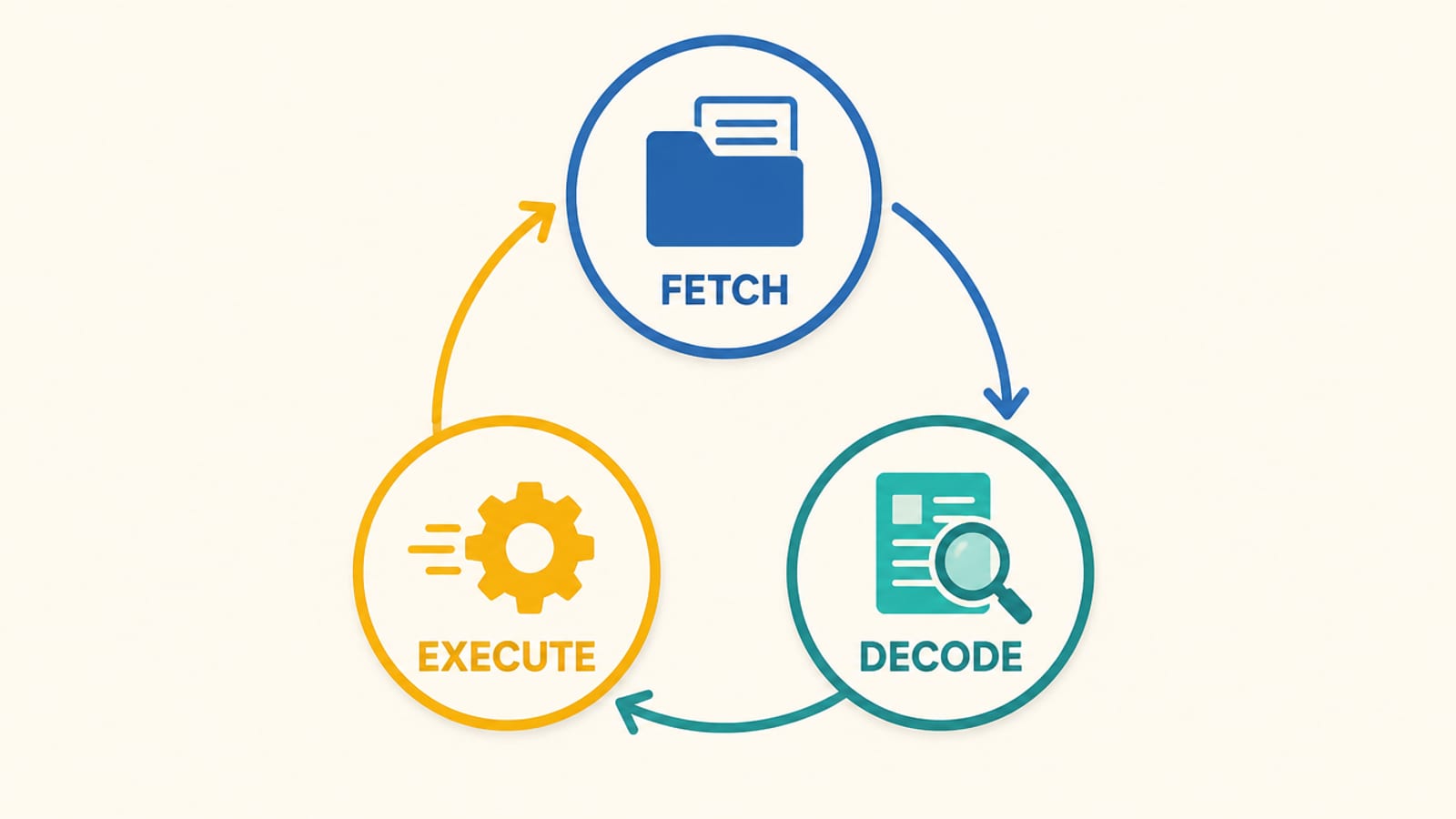
The CPU does the actual work while you vibe code. The tiny fetch-decode-execute loop it runs, how it differs from a GPU, and why it's where speed and cost come from.
Aliteq Team · Sep 26 · 4 min

RAM is the desk your computer works on: fast, and wiped the moment the power's off. Why a busy app runs out, how it differs from storage, and how it relates to a GPU's VRAM. Tap to see it fill.
Aliteq Team · Sep 26 · 4 min
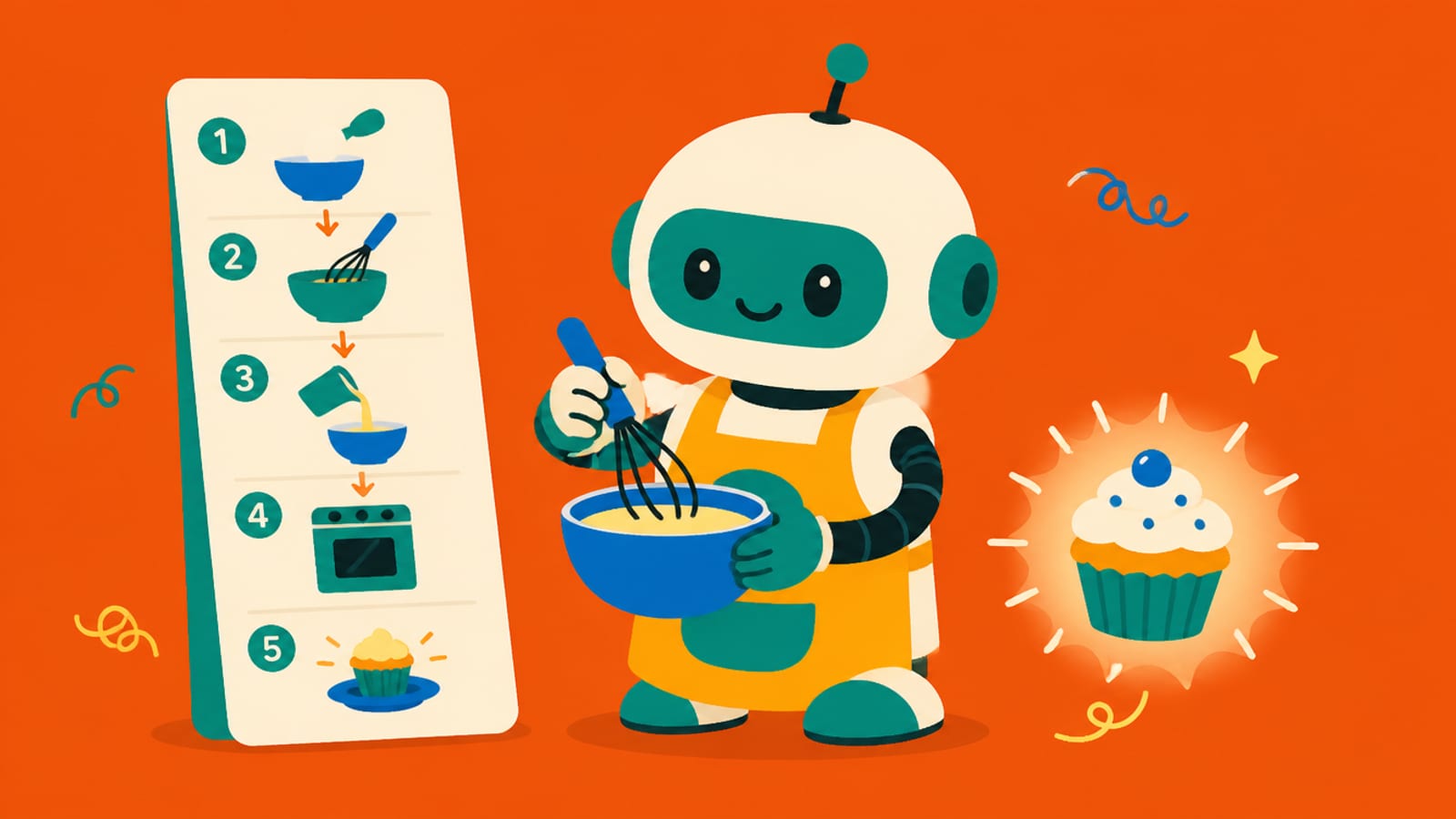
A program is just an ordered list of exact steps — no magic, no guessing. Tap "run" to step through a tiny one and watch it happen.
Aliteq Team · Sep 26 · 4 min

Distance costs time, so a CDN keeps copies of your site on servers near your users. What can be cached at the edge, and what can't. Tap the ladder to see the difference.
Aliteq Team · Sep 26 · 4 min

Not fluffy, not far away — real machines in buildings you rent over the internet and hand back when you're done. The plain-English version, for anyone vibe coding an app.
Aliteq Team · Sep 26 · 4 min

Hosting is renting the always-on computer your app runs on — mostly free until real users arrive, then metered where it counts, and AI calls are the surprise line. Try the calculator.
Aliteq Team · Sep 26 · 4 min

What a domain is, what the HTTPS padlock actually proves, and why that certificate is now free and automatic. Tap through going live.
Aliteq Team · Sep 26 · 4 min
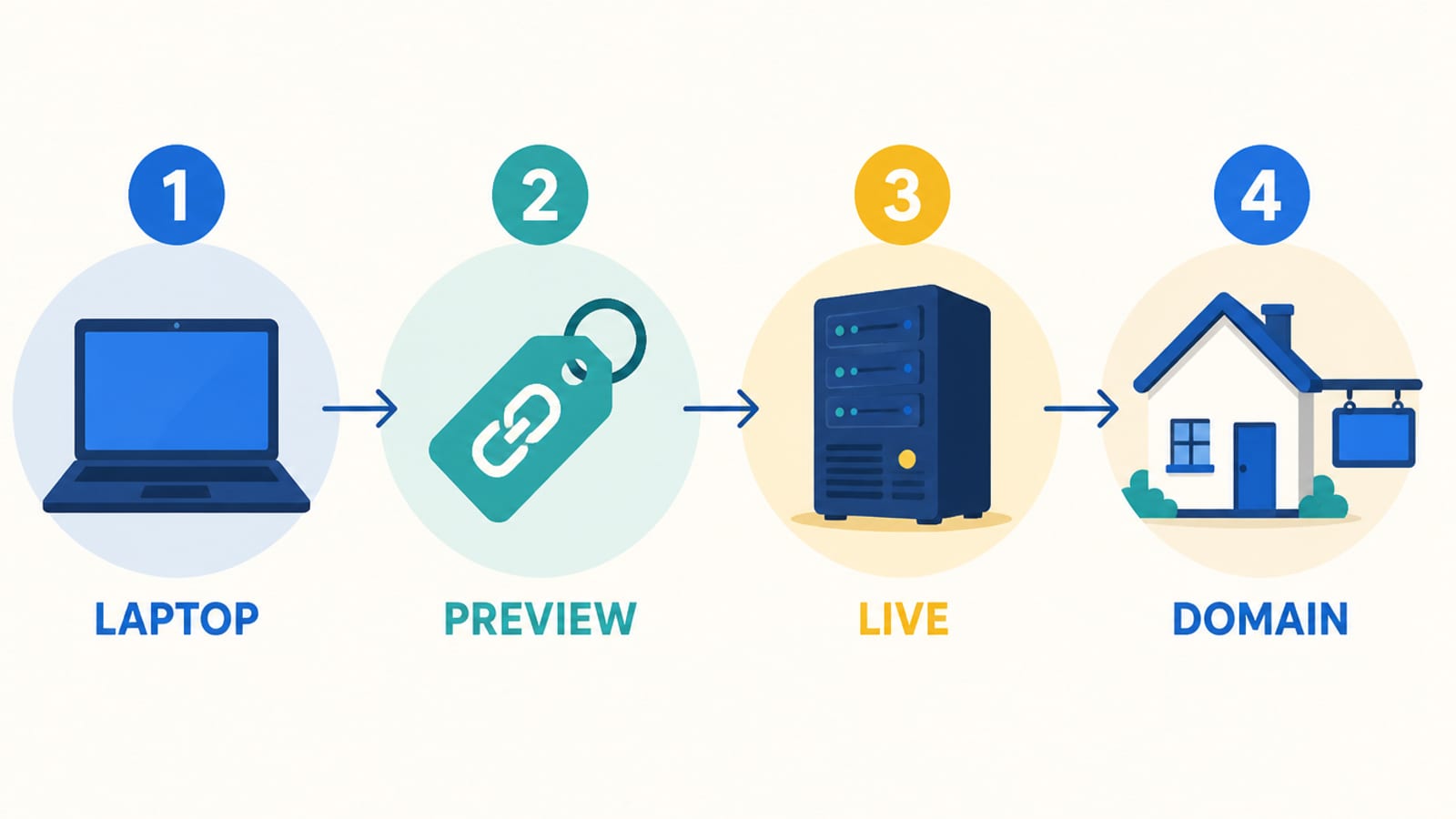
On your laptop the app is invisible; deploy moves it to an always-on address anyone can reach, and each step raises the stakes. Tap through the timeline.
Aliteq Team · Sep 26 · 4 min

Logged in isn't the same as allowed, and the gap between the two is where data leaks. Tap the toggle to see who can read what.
Aliteq Team · Sep 26 · 4 min

You approve on Google's page, the app gets a token and a little profile info, and that's one less password anyone can leak. Why it's often the safer button.
Aliteq Team · Sep 26 · 4 min
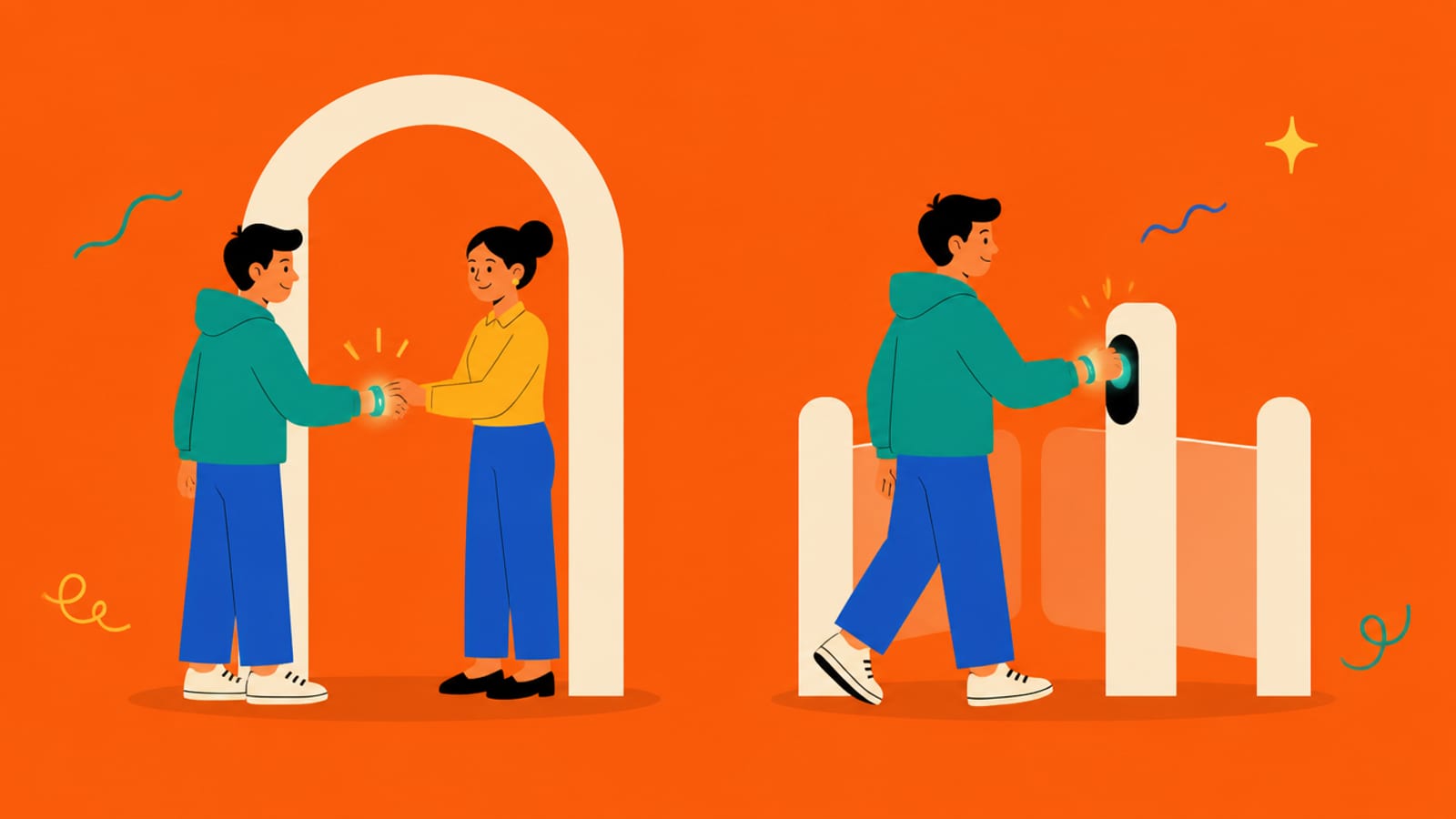
You don't send your password with every tap. After login the server hands your device a token, and whoever holds it is treated as you. Tap to see it change hands.
Aliteq Team · Sep 26 · 4 min

If a service can show you your password, it stored it wrong. What a hash is, why "salt" matters, and the one red flag that tells you an app is unsafe.
Aliteq Team · Sep 26 · 4 min

What an app actually checks when you log in, and the session it starts the moment you pass. Tap through a real login.
Aliteq Team · Sep 26 · 4 min

The same kind of model can run on a company's servers or on your own computer. What flips for privacy, cost, speed and model choice — and why your GPU's memory is the ceiling.
Aliteq Team · Sep 26 · 4 min

Some models write out their working before they answer. What that actually buys you, what the thinking tokens cost, and the kinds of task where switching it on pays off.
Aliteq Team · Sep 26 · 4 min

A model on its own can only talk. Tools let it act inside your app; agents let it choose their own next step — and that's where the power and the risk both come from.
Aliteq Team · Sep 26 · 4 min
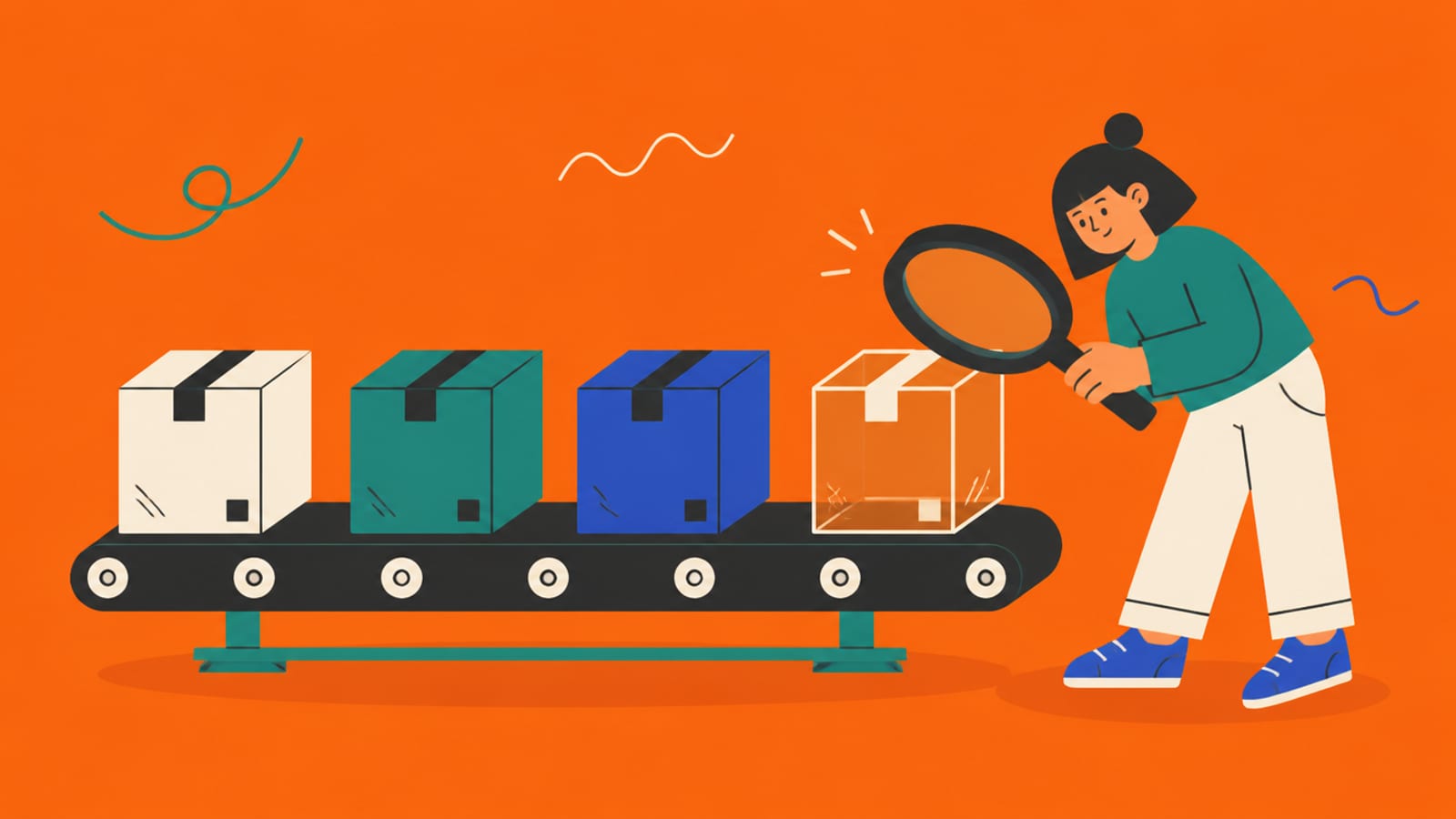
Code models sometimes invent library names, and attackers register those names to wait for you. The research behind it, and the one check that catches it. Try spotting the fake.
Aliteq Team · Sep 26 · 4 min

The model picks each next word from a shortlist, and "temperature" decides how adventurous that pick is. Turn the dial, watch the output shift — and see why newer models take the choice away.
Aliteq Team · Sep 26 · 4 min
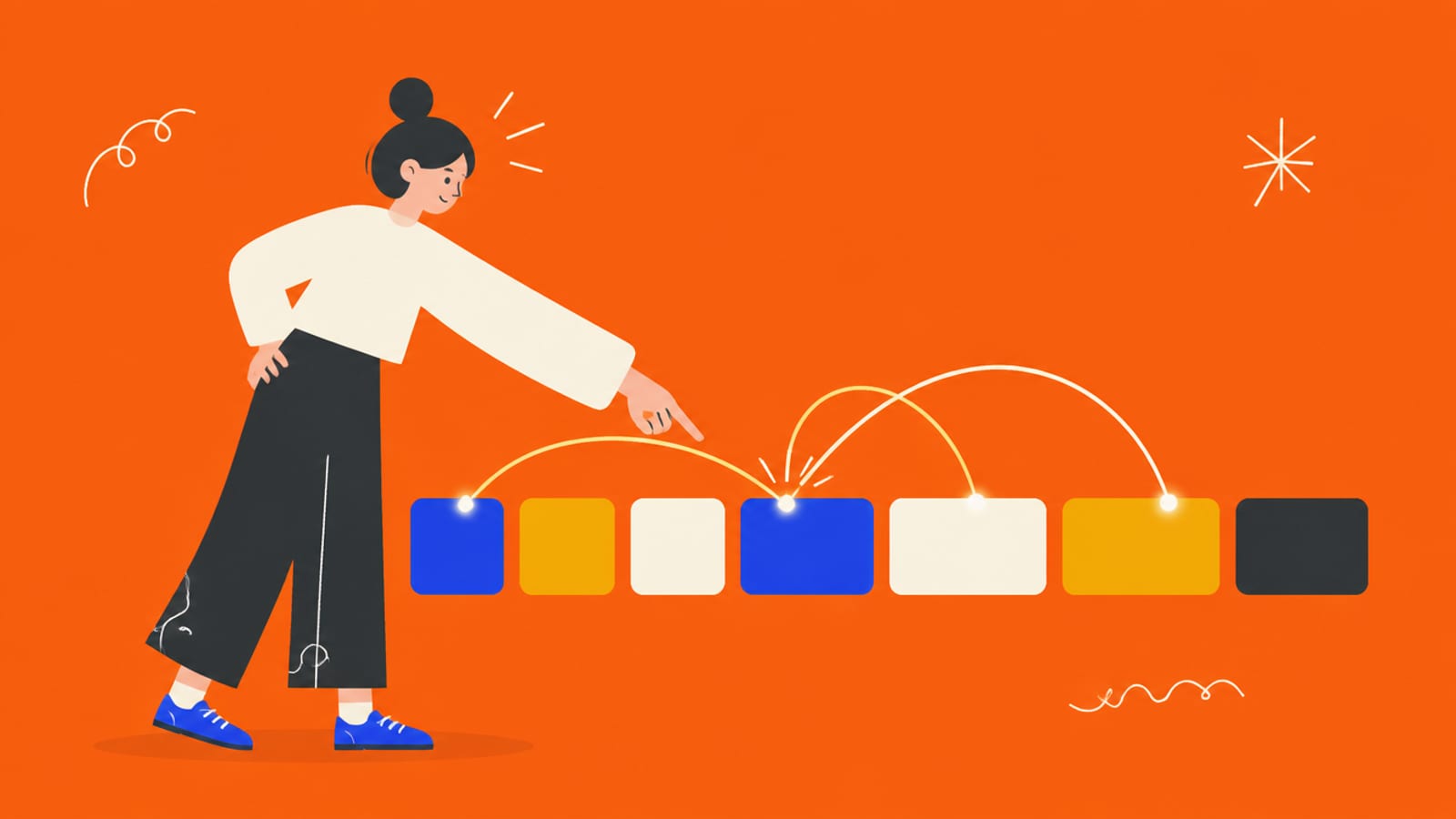
The idea behind every modern model, shown as a heatmap you can tap: how it decides which of your earlier words matter for the word it's writing next.
Aliteq Team · Sep 26 · 4 min

The model has no memory of its own. Once a conversation outgrows its window, your earlier decisions quietly fall out. See what drops, what gets summarised, and the habit that keeps what matters in view.
Aliteq Team · Sep 26 · 4 min

Everything the model can see at once — your prompt, the chat so far, your files, its own reply — sits in one window with a fixed limit. Tap to watch it fill, and see why bigger isn't automatically better.
Aliteq Team · Sep 26 · 4 min

The model never sees words; it sees tokens, and they're what your context limit and your bill are measured in. Tap the meter to watch a sentence break apart into them.
Aliteq Team · Sep 26 · 4 min
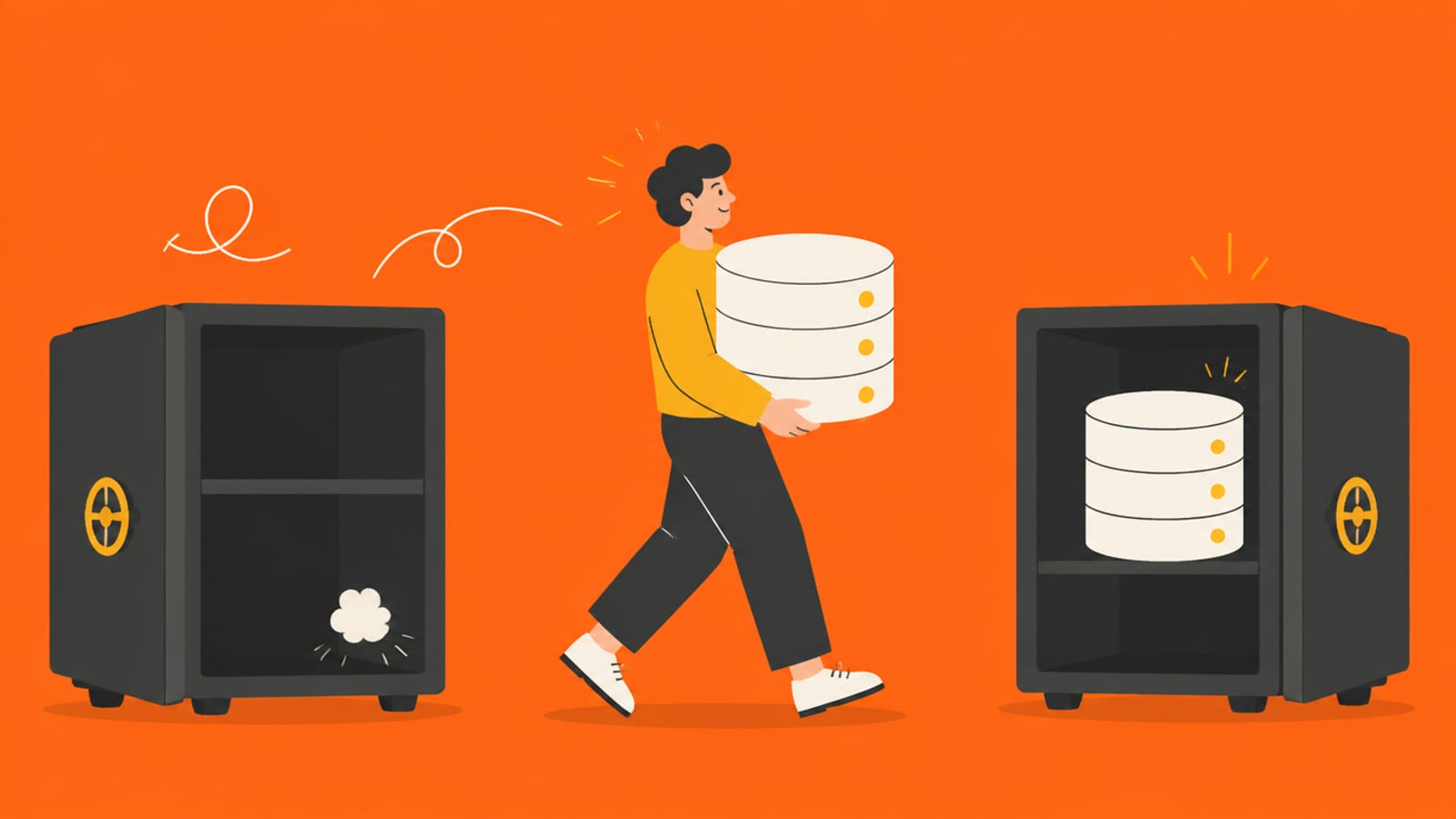
It happened to a Replit user in 2025 and to a Cursor user in 2026. What to check in the first ten minutes, why Lovable's and Replit's undo buttons don't bring data back by default, and the backup habit that does.
Aliteq Team · Sep 25 · 6 min
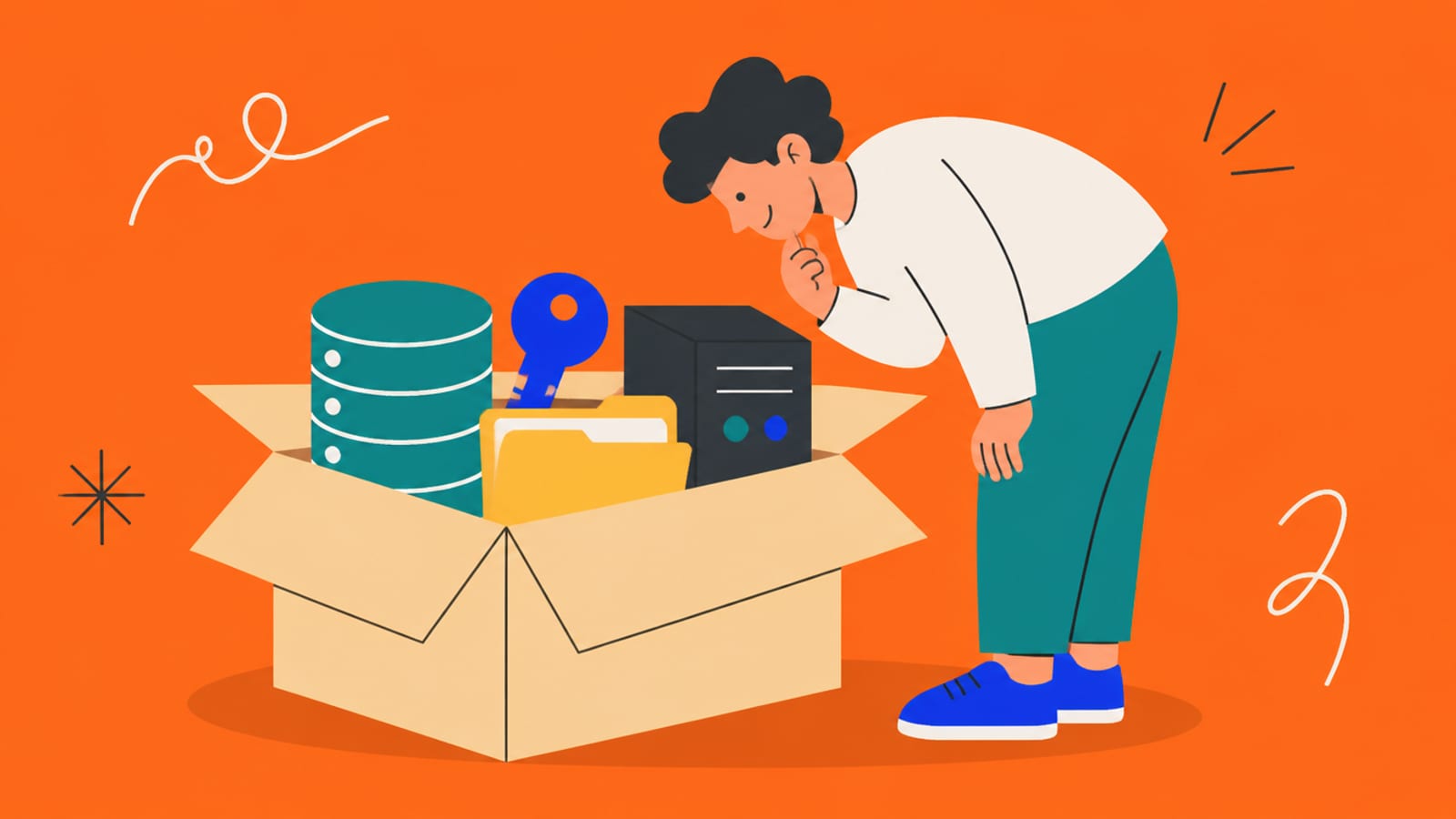
A hosted database, login, an automatic API and file storage in one box. What's inside, what the free plan covers, and the one setting it asks you to get right.
Aliteq Team · Sep 25 · 4 min
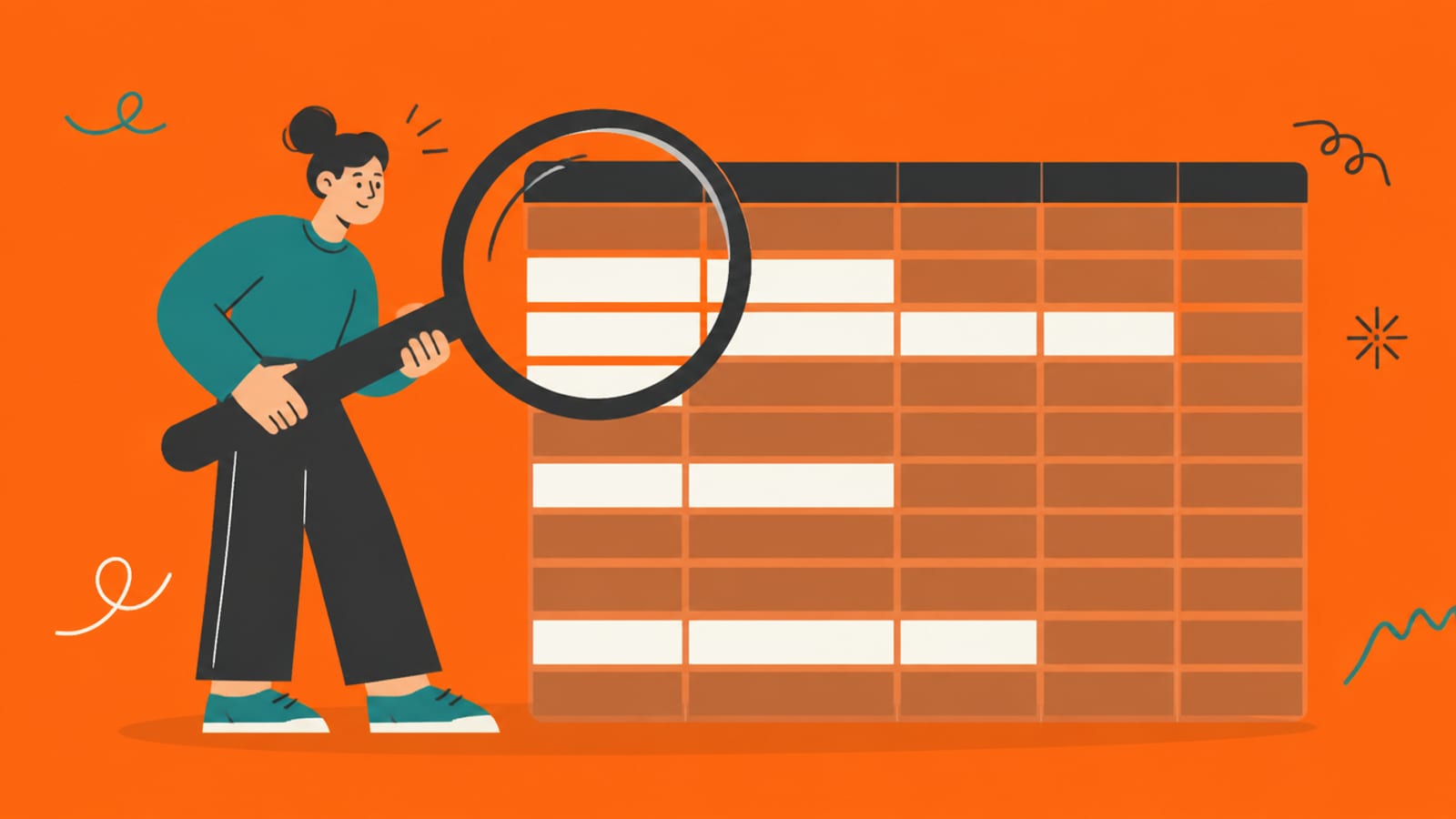
How your app asks a database for exactly the rows it wants, and what a missing filter exposes. Tap to run one and watch the WHERE clause work.
Aliteq Team · Sep 25 · 4 min
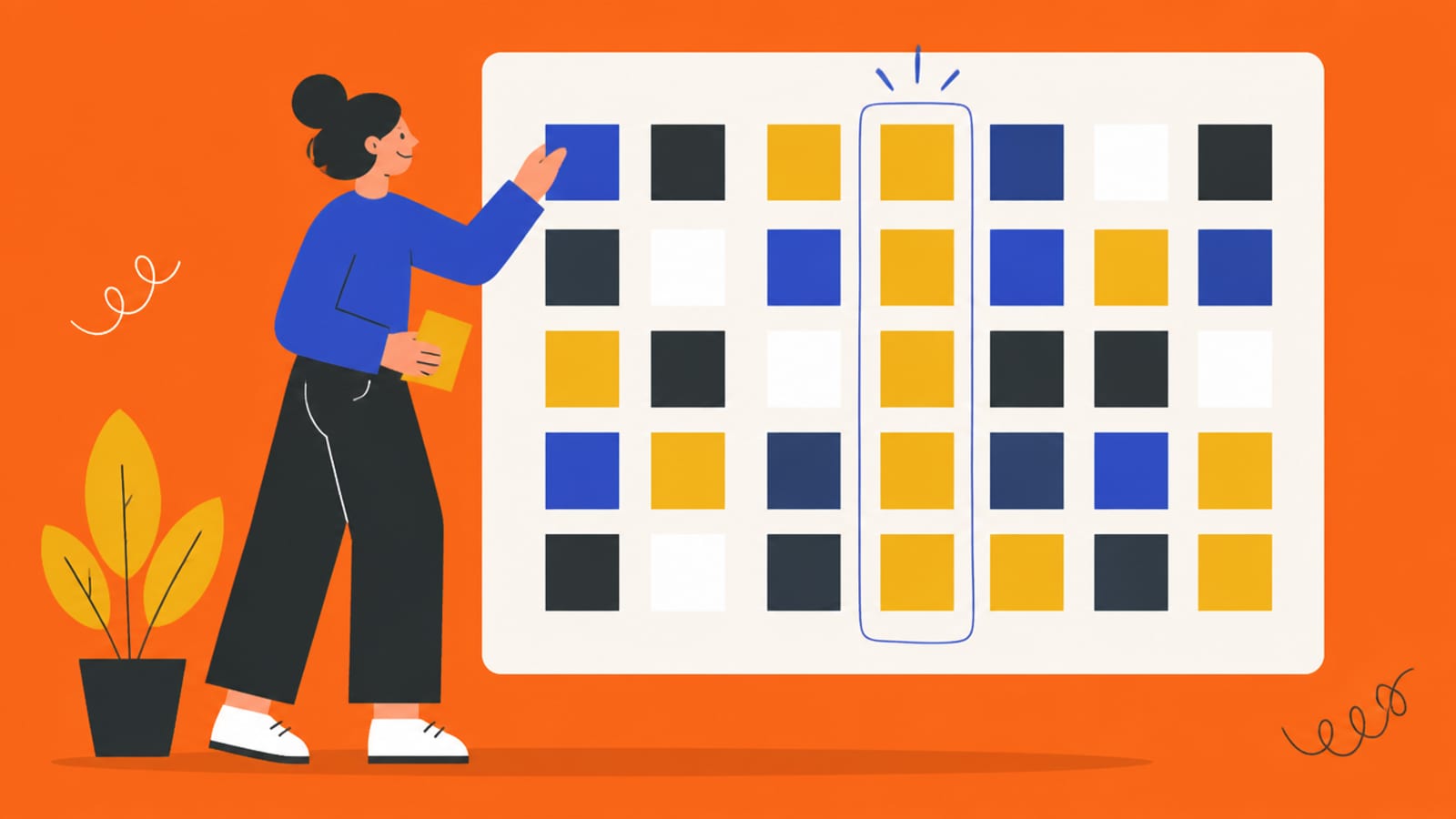
How a database lays things out, why every column has a type, and the ID that decides whose orders are whose. Tap through a live table.
Aliteq Team · Sep 25 · 4 min

It isn't just a spreadsheet. What a database is, why it can find one row among millions, and where Supabase fits. Tap the table to see it work.
Aliteq Team · Sep 25 · 4 min

Every part of your app sits on one side of a wall. The frontend runs on the user's device and is readable by anyone; the backend runs on your servers. The rule for what goes where. Tap to see the split.
Aliteq Team · Sep 25 · 4 min