Keep your human cover. Use AI for the marketing around it: ad scenes, character art your readers ask for, launch graphics for the newsletter and Discord, and disclose it where Amazon asks.
This post contains affiliate links. If you buy through them, Aliteq may earn a commission — at no extra cost to you. Prices change; check the seller’s own page for today’s price.
Share
You write epic fantasy before work, three books into a five-book series. Your cover artist did beautiful work on book one and you'll pay them again for book four. The problem isn't the cover. It's everything around it: your Facebook and Amazon ads all show the same cropped cover and get ignored, your Discord keeps asking what the characters look like, and the January launch needs a dozen graphics you don't have.
This page is for the indie author who wants better marketing art without replacing the artist they love.
Start with the line readers care about
What to make with AI
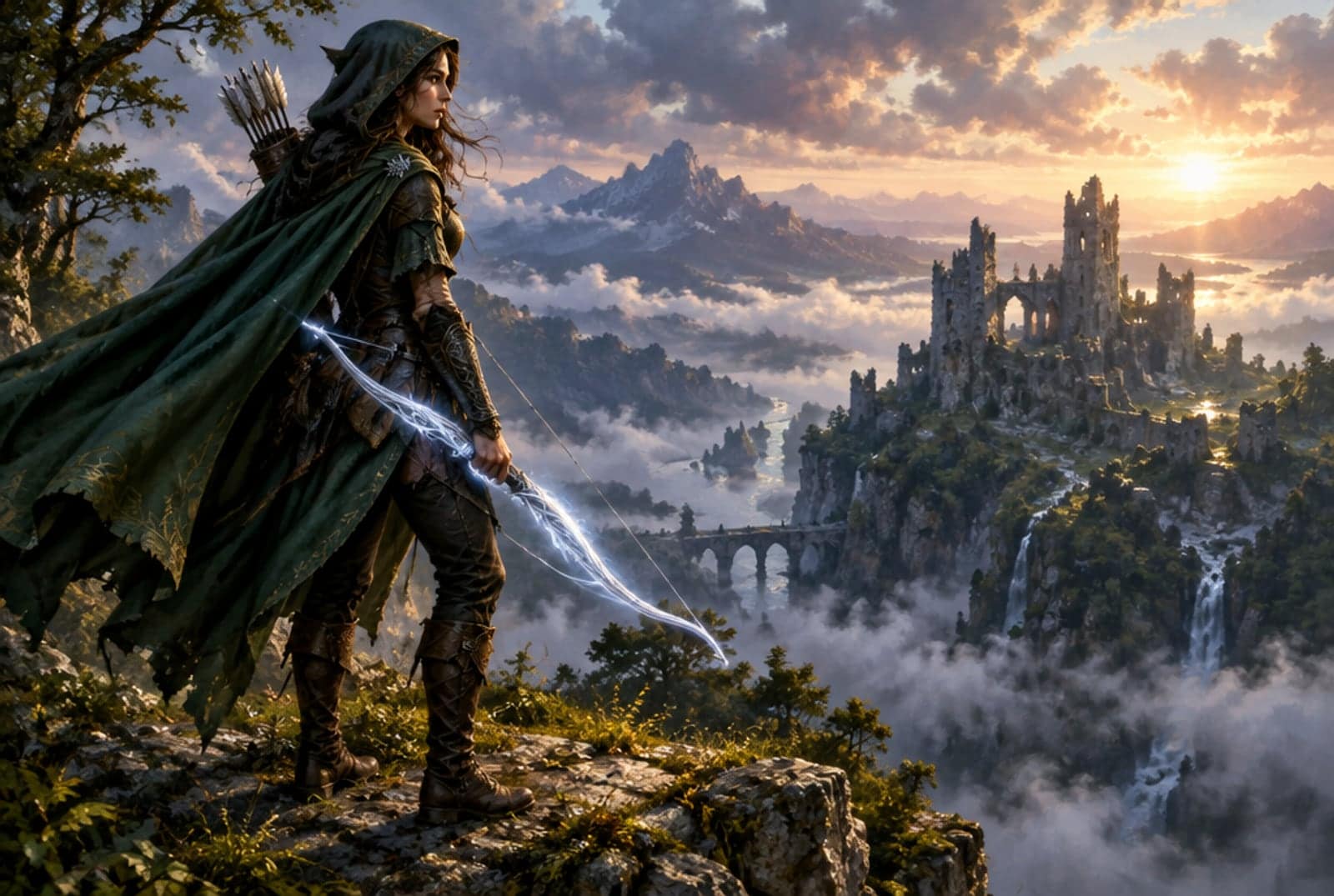
Ad scenes: a moment from the book rendered as a wide image, with space at the top for your hook line. "She has one arrow left" over a cliffside scene beats a cropped cover.
Character art for readers: your main cast, drawn consistently, for the Discord, the newsletter and the series bible.
Pinterest boards for your world: mood art that pulls fantasy readers into your series.
The Saturday-morning workflow
Write the scene, not the prompt. Pick three moments from the book that would stop a scroll. Describe each like a camera would see it.
Generate wide scenes with empty space for text. Add your hook line and the "available on Kindle Unlimited" badge in a free editor; never let the model write words.
Lock your characters. For recurring character art, keep one reference per character so faces stay consistent across months of posts. The method is in how to create a consistent AI character.
Test three ad images against the cover crop at a small budget. Keep what wins.
Amazon's disclosure rule
KDP asks publishers to disclose AI-generated content (text, images or translations) when publishing or republishing. Marketing images that never go inside the book are outside that form, but your cover and interior images are inside it. If any AI art goes in the book, disclose it.
What it costs
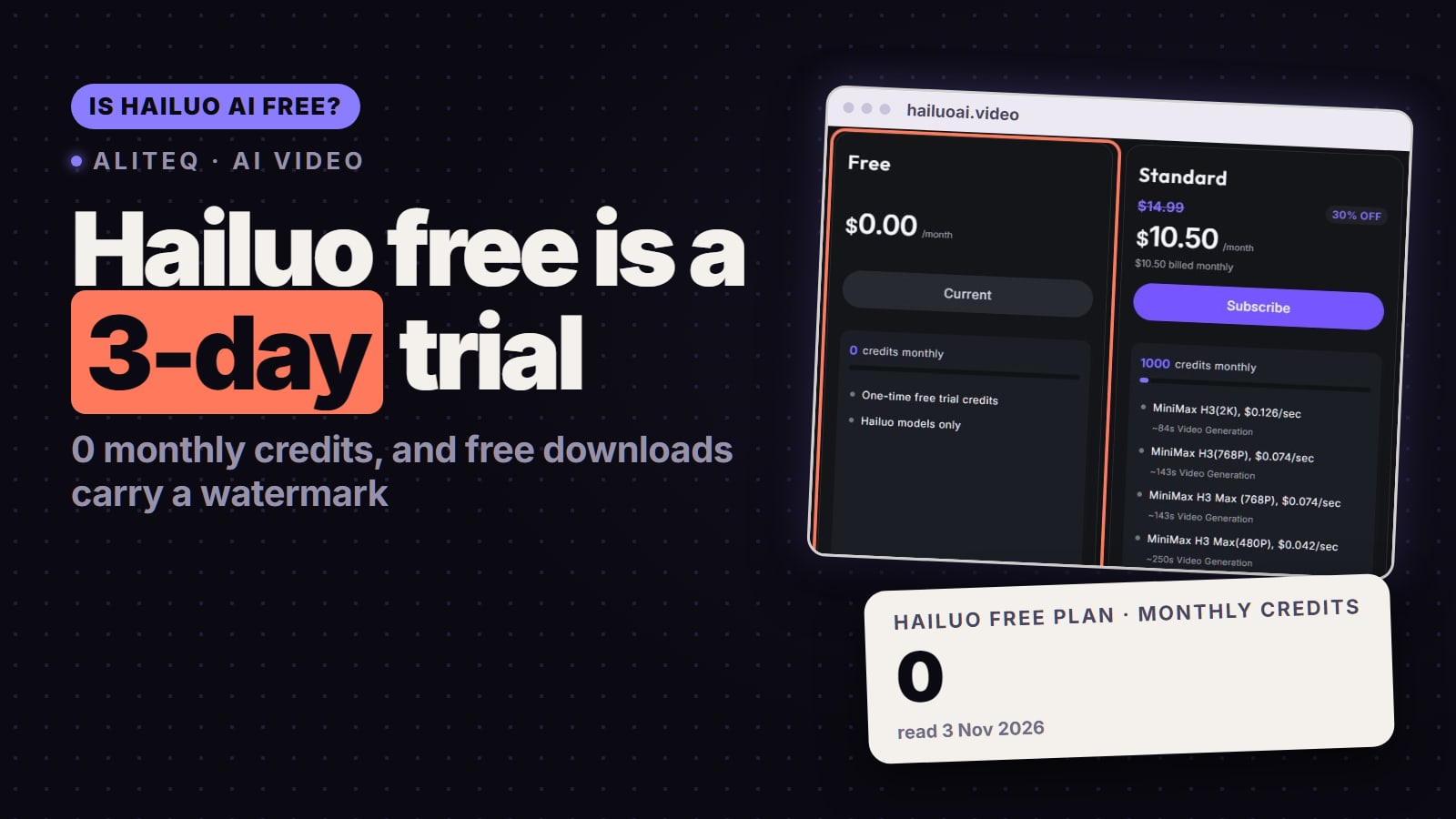
Credits per image depend on the model and resolution, so price a few test scenes before you plan a launch kit of a dozen graphics and five character portraits. Plans are on Higgsfield's pricing page; top-ups expire 90 days after purchase and subscription credits don't roll over. Rights for commercial use are in can you sell AI images you made.