You launched a serum, a cleanser and a moisturizer. The formulas are good. The photos were taken on a white board in the kitchen, and next to them in the Instagram feed sits a brand with a studio budget: wet stone, water droplets, a hand with perfect nails, soft pink light. Your ads are the bottleneck, and a real shoot costs more than the month of ad spend it is supposed to feed.
This page is for the founder with three SKUs and no studio.
What skincare photos have to do
Beauty is bought on texture and mood. The shots that convert:
- The clean packshot (the only one that must be real)
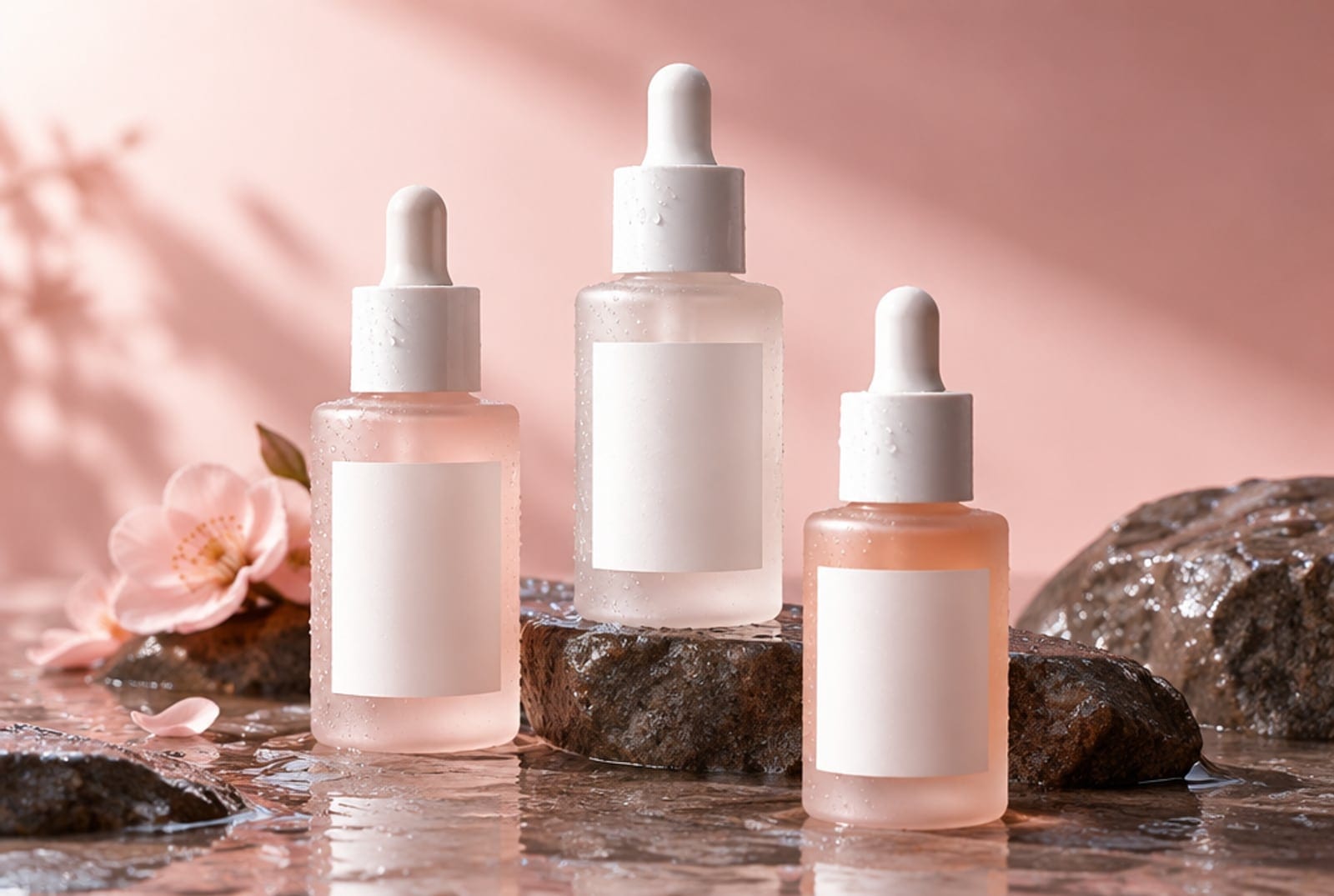
- The wet-stone or bathroom-counter scene
- The hand shot: product applied, skin visible
- The texture macro: a swatch, a drop, a smear
- The UGC-style ad: someone talking about it to camera
The no-shoot workflow
- Shoot each bottle once, clean. Plain background, soft light, label straight. This is your reference and your packshot.
- Generate the scenes around it. Feed the bottle cutout as the reference and prompt the setting: "on wet slate with water droplets, soft diffused pink light, shallow depth of field." Make five scenes per product.
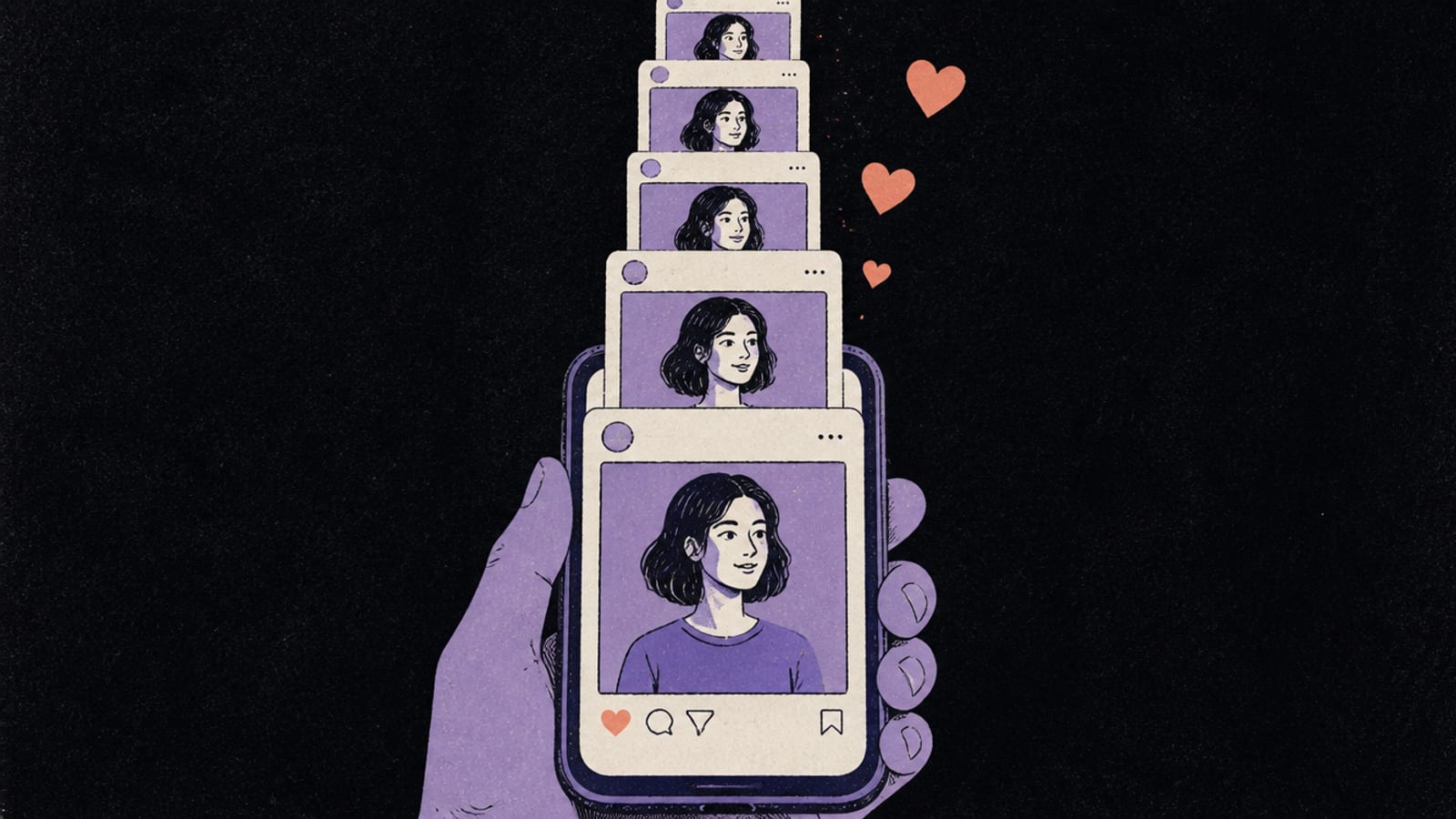
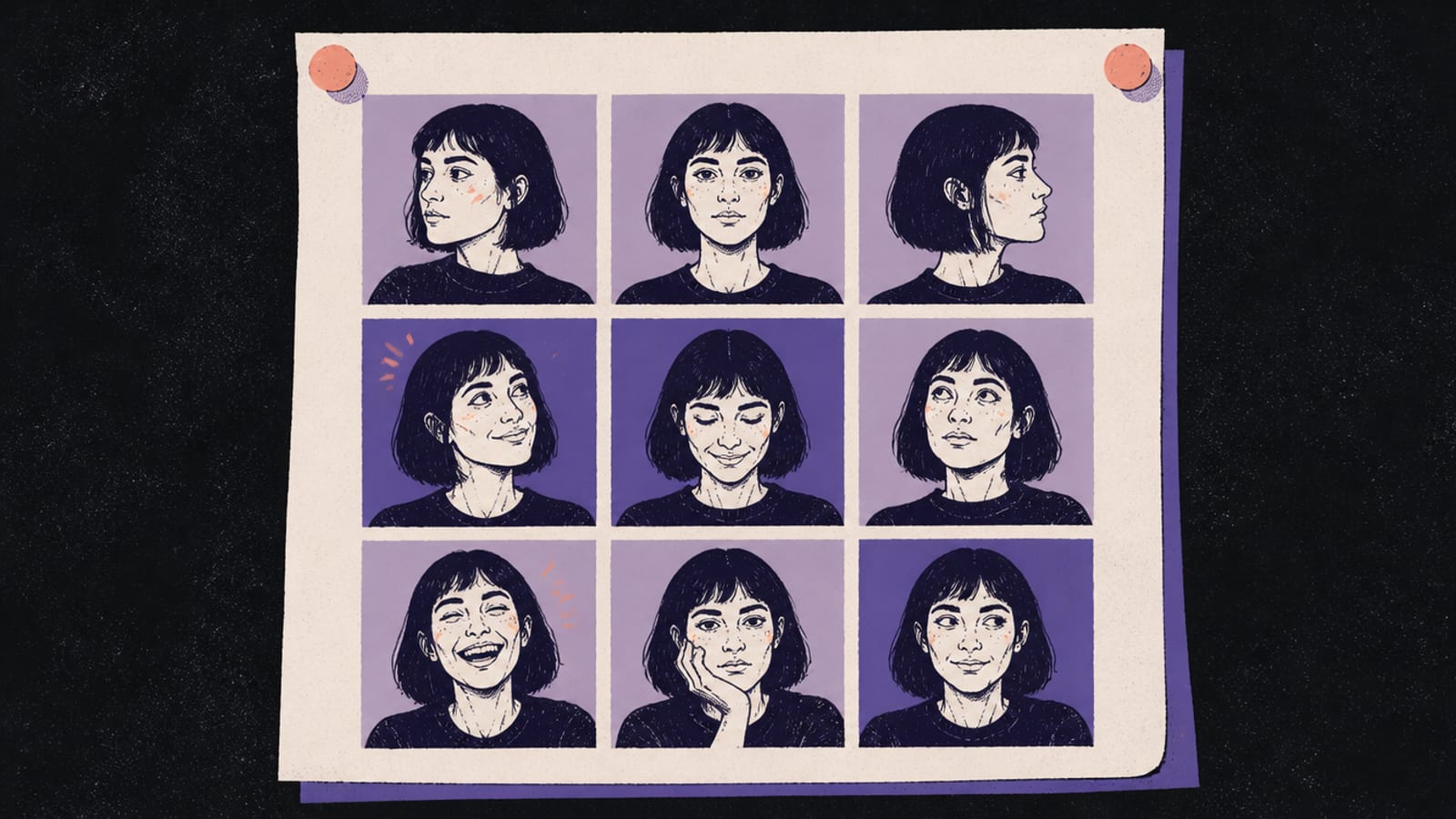
- Build one AI spokesperson for UGC-style ads so you are not booking creators per campaign. The method for a consistent face across every clip is in how to create a consistent AI influencer.
- Test twenty angles, keep two. Ad creative is now nearly free to produce; the budget goes into finding the angle that sells.

Higgsfield · Higgsfield image generation
SponsoredHiggsfield's image models take your real bottle as the reference and build the wet-stone, counter and hand scenes around it; the same platform does the consistent spokesperson for UGC-style clips. Try one product on the free tier.
Try it on one product, free →