Qwen3-Coder is the model that finally makes a local, private coding assistant genuinely good. It tops the open-source coding benchmarks and runs on a 24GB card. Here's whether it's worth it.
For anyone who wants a private, free, local coding assistant, the answer is a clear yes — Qwen3-Coder is the model that finally makes local coding genuinely good. It's the strongest open coding family of 2026, scoring 58.7% on SWE-bench Verified (the standard for real-world software tasks), handling repository-level work thanks to a massive 256K [context window](/what-is-a-context-window-explained-2026), and — crucially — its most useful variants run on a single [24GB GPU](/best-local-llm-24gb-gpu-2026-qwen-gemma-gptoss). So you get near-frontier coding help that stays entirely on your machine, with no subscription and no code leaving your computer. The main question isn't whether it's good — it's which variant fits your hardware. Here's the honest review.
The variants — pick by your hardware
Qwen3-Coder comes in a range of sizes, and matching one to your GPU is the whole game. The 8B is the light option — it fits on an 8GB card and is handy for autocomplete and small tasks. The 30B-A3B is a [Mixture-of-Experts](/moe-vs-dense-ai-models-explained-2026) model (only ~3B active per token, so it runs fast for its size) and is a sweet spot on a [24GB GPU](/best-gpu-for-qwen3-coder-2026). The 32B dense model is the quality step-up for complex, multi-file work and also targets 24GB (at Q4, it wants a card like an RTX 4090). At the top, the 480B-A35B flagship is a multi-GPU server model — not for home rigs. For most people, the practical answer is 30B-A3B or 32B on a 24GB card, or the 8B if you're on 8GB. All of them share the enormous 256K context, which is what makes Qwen3-Coder so good at understanding a whole project rather than a single file.
Qwen3-Coder variants by hardware
Qwen3-Coder 8B
Variant
8GB GPU
Runs on
Autocomplete, small tasks
30B-A3B (MoE)
Variant
24GB GPU
Runs on
Fast, capable sweet spot
32B (dense)
Variant
24GB GPU (Q4)
Runs on
Complex multi-file work
480B-A35B
Variant
Multi-GPU server
Runs on
Not for home rigs
Variant
Runs on
Best for
Qwen3-Coder 8B
8GB GPU
Autocomplete, small tasks
30B-A3B (MoE)
24GB GPU
Fast, capable sweet spot
32B (dense)
24GB GPU (Q4)
Complex multi-file work
480B-A35B
Multi-GPU server
Not for home rigs
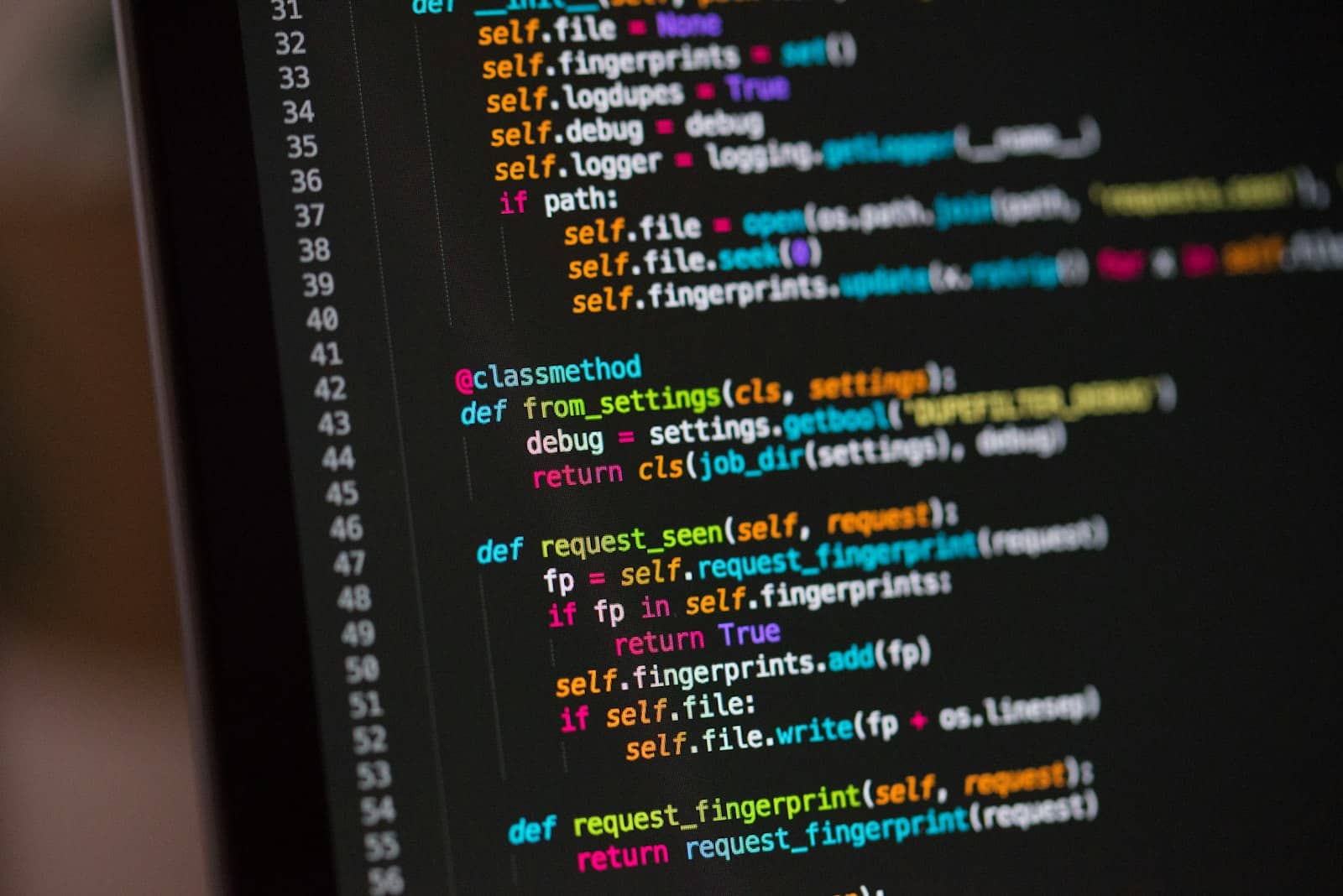
Qwen3-Coder's 256K context lets it reason across a whole repository — the key to genuinely useful local coding. · Unsplash
Who should run it — and is it good enough?
Honestly, it's good enough to replace a cloud assistant for a lot of people. At 58.7% on SWE-bench Verified it's the top open coding model, and it's genuinely strong at instruction-following, fill-in-the-middle completion, multi-language generation, and — thanks to that 256K context — repository-level reasoning. So who should run it? Anyone who codes and cares about privacy, cost, or offline use. If you don't want your code going to a cloud service, or you don't want to pay a monthly Copilot subscription, Qwen3-Coder on a 24GB card gives you a capable assistant that's entirely yours. The honest caveats: you need the hardware (a 24GB GPU for the good variants), and for the very hardest algorithmic problems, DeepSeek edges it — but for everyday development, Qwen3-Coder is the one to run. If you have the card (or a used RTX 3090 to get there cheaply), it's absolutely worth it — a private, free coding assistant that's genuinely close to the best. Set it up next.
Quick answers
Is Qwen3-Coder good?
Yes — it's the best local coding model of 2026. It scores 58.7% on SWE-bench Verified, the standard benchmark for real-world software tasks, and it's strong across instruction-following, fill-in-the-middle completion, multi-language code generation, and repository-level reasoning thanks to a 256K context window. Its most useful variants run on a single 24GB GPU, so you get near-frontier coding help that stays entirely on your machine, for free and offline. For the very hardest algorithmic and competitive-programming problems, DeepSeek can edge it out, but for everyday development, Qwen3-Coder is the strongest local option and a genuine alternative to a paid cloud assistant.
Which Qwen3-Coder variant should I use?
Match it to your GPU. The 8B fits on an 8GB card and suits autocomplete and small tasks. The 30B-A3B is a Mixture-of-Experts model (only about 3B active parameters per token, so it's fast for its size) and is a great sweet spot on a 24GB GPU. The 32B dense model is the quality step up for complex, multi-file work and also targets 24GB at Q4 quantization. The 480B-A35B flagship is a multi-GPU server model, not for home use. For most people with a 24GB card, the 30B-A3B or 32B is the pick; if you only have 8GB, use the 8B. All variants share the 256K context window.
Is Qwen3-Coder better than DeepSeek for coding?
For general, day-to-day development, Qwen3-Coder is the stronger pick — it leads on SWE-bench Verified (58.7%) and excels at instruction-following, fill-in-the-middle, multi-language generation, and repository-level reasoning. DeepSeek's coding models are very close behind and actually pull ahead on competitive-programming and algorithmic benchmarks like LiveCodeBench, so for LeetCode-style or math-heavy coding, DeepSeek can be the better choice. In short: Qwen3-Coder for building software and working across a codebase, DeepSeek for hard algorithmic problems. Both run locally, and many developers keep both installed for their respective strengths.