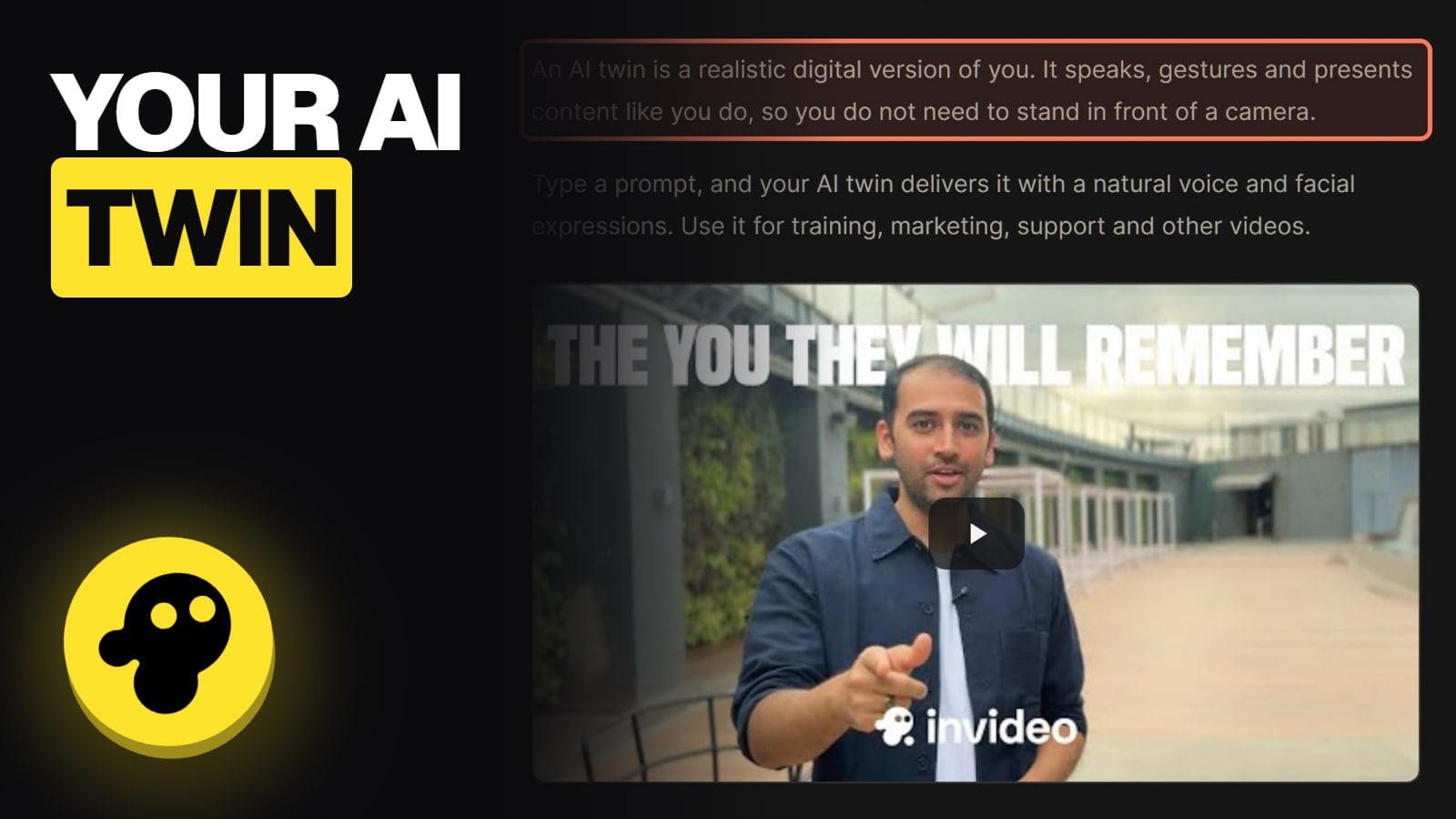
invideo says its agent goes from a product link to a finished creator-style ad, with the same AI actor and product held across every shot. What its own pages say it does, what a 20-second ad costs in credits by our arithmetic, and the product categories its actors won't touch.
Some links on this page are referral links: we may earn a commission, at no cost to you.
Share
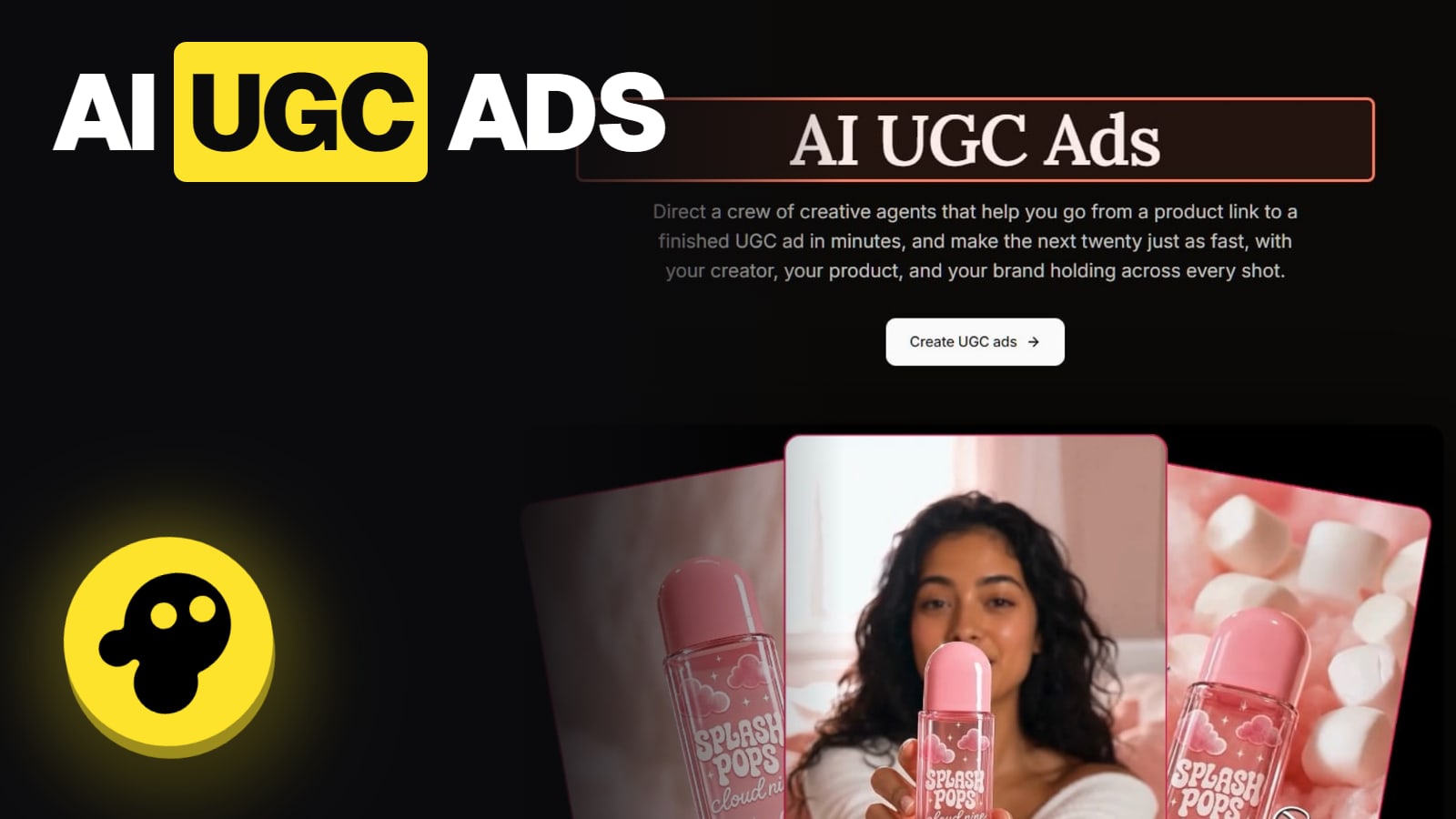
invideo AI makes UGC ads by casting an AI actor, locking your product and the actor's face and voice, and cutting a creator-style ad from your product link and script. That's how invideo's own UGC Ads page describes it, read on November 13, 2026. We haven't run a campaign through invideo; everything below is from invideo's pages, with the credit sums marked as ours. Two things decide whether it suits you: what you sell, because invideo's actors refuse whole categories, and how many hook variants you plan to make, because credits scale with every one.
How does invideo's UGC ad workflow work?
Seven stages, as invideo's UGC Ads page lays them out. invideo also describes setting the agent "to check with you at every step, check only before it generates video, or run while you review."
Bring the product and the brief. Paste the product or app link and the agent "pulls your product details, imagery, and app interface into context." Bring a script or have the agent write a few reads.
Cast the creator. Describe the age, look, energy, setting and way of talking, or upload a reference. invideo says the agent "locks the face and voice together, so the same person carries every shot."
Approve every shot as a still. "Framing, expression, and product placement are fixed as images first."
Animate. The approved shots move "lip-synced line by line", or sync to a voiceover you already recorded.
Finish. The agent scores, paces and stitches the ad, sized for where it runs. You can export everything to finish in your own editor.
Run several at once. More than one agent on the same project, each building a different ad from the same memory.
invideo also says the agent "locks your product once", so packaging and label stay the same across ads, and that you can feed it ads that already worked so it copies their hook and pacing. Those are invideo's claims about its own product; we haven't tested them. invideo's developer docs page for UGC ads adds a useful line for anyone nervous about automation: "The agent never switches an ad on or spends ad budget." You upload and run the ad in the ad platform yourself.
Who is the actor in an invideo UGC ad?
An AI-generated person, unless you bring your own. invideo's help center says its virtual actors "are AI-generated. They are not based on real people." There are Free and Pro actor libraries; Pro actors need an active plan and "use credits for each minute of video." You can also put yourself in the ad as an AI twin, which needs your recorded consent (our invideo AI Twin guide covers it).
If you bring a face, it has to be one you have rights to. invideo's docs ask for "a front-facing portrait of a person who agreed to appear in AI ads, or a face made with an image model." Its rights article rules out celebrities and politicians, because invideo "requires explicit consent from the person in the recording." And invideo's Seedance help page warns that if a reference "shows a clearly visible face, the provider is likely to block the generation."
What does an invideo UGC ad cost in credits?
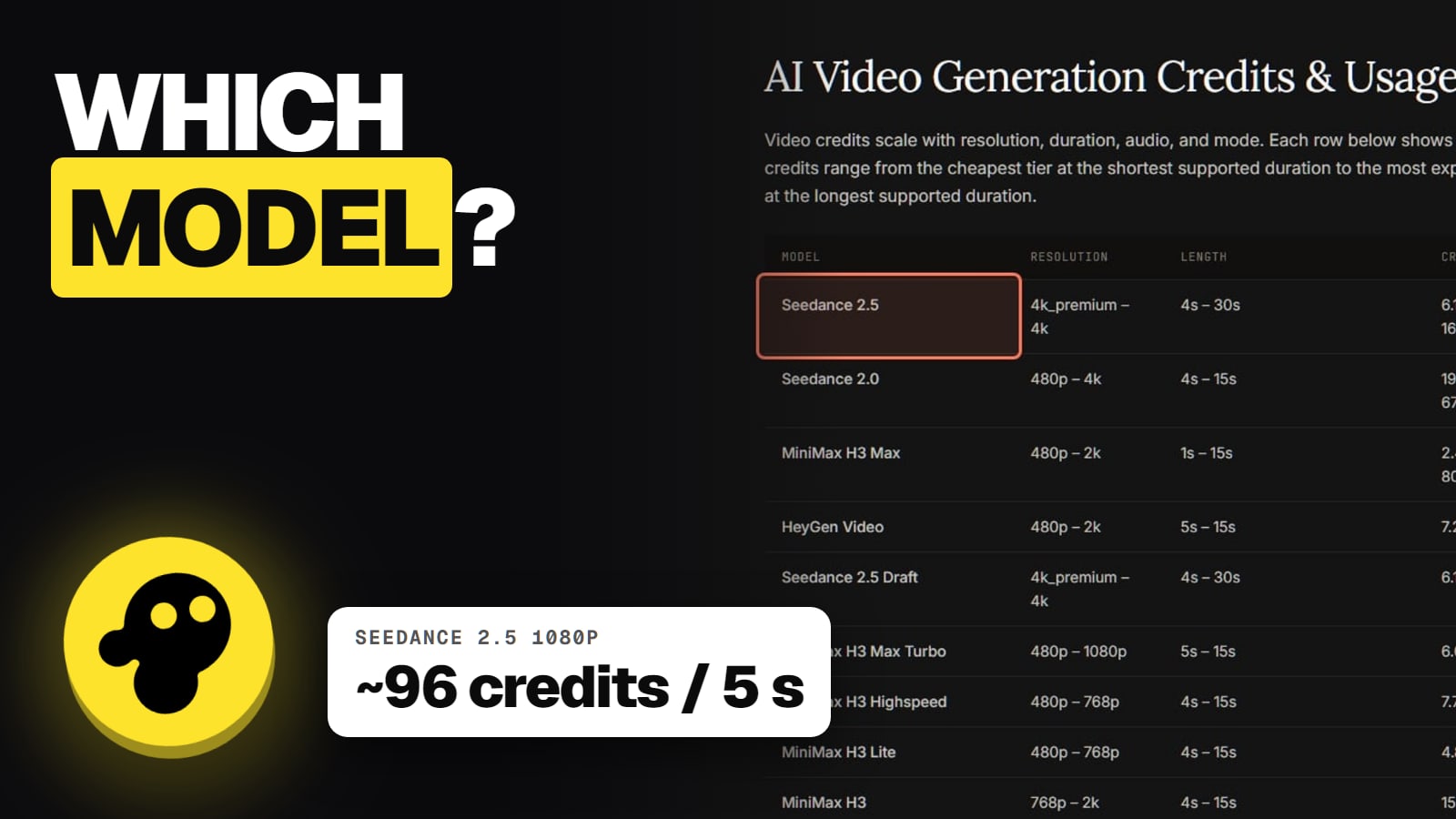
invideo doesn't publish a per-ad price, so here are the parts, priced on its own pages on November 13, 2026. The totals are our arithmetic.
What the parts of a 20-second UGC ad cost in invideo credits (invideo's pages, Nov 13, 2026; totals are our arithmetic)
Kling Avatar
Rate
2.2 to 4.5 credits a second
For one 20-second ad
~44 to 90
HeyGen Photo Avatar
Rate
2.4 credits a second
For one 20-second ad
~48
Product stills, Nano Banana Pro
Rate
~2.5 credits an image
For one 20-second ad
~15 for six stills
Voiceover, ElevenLabs
Rate
3.2 credits per 1,000 characters
For one 20-second ad
~1 for a 60-word script
A generated b-roll shot, Seedance 2.5 720p
Rate
~56 credits per 5 seconds
For one 20-second ad
~56 a shot (not on Starter)
Rate
For one 20-second ad
Kling Avatar
2.2 to 4.5 credits a second
~44 to 90
HeyGen Photo Avatar
2.4 credits a second
~48
Product stills, Nano Banana Pro
~2.5 credits an image
~15 for six stills
Voiceover, ElevenLabs
3.2 credits per 1,000 characters
~1 for a 60-word script
A generated b-roll shot, Seedance 2.5 720p
~56 credits per 5 seconds
~56 a shot (not on Starter)
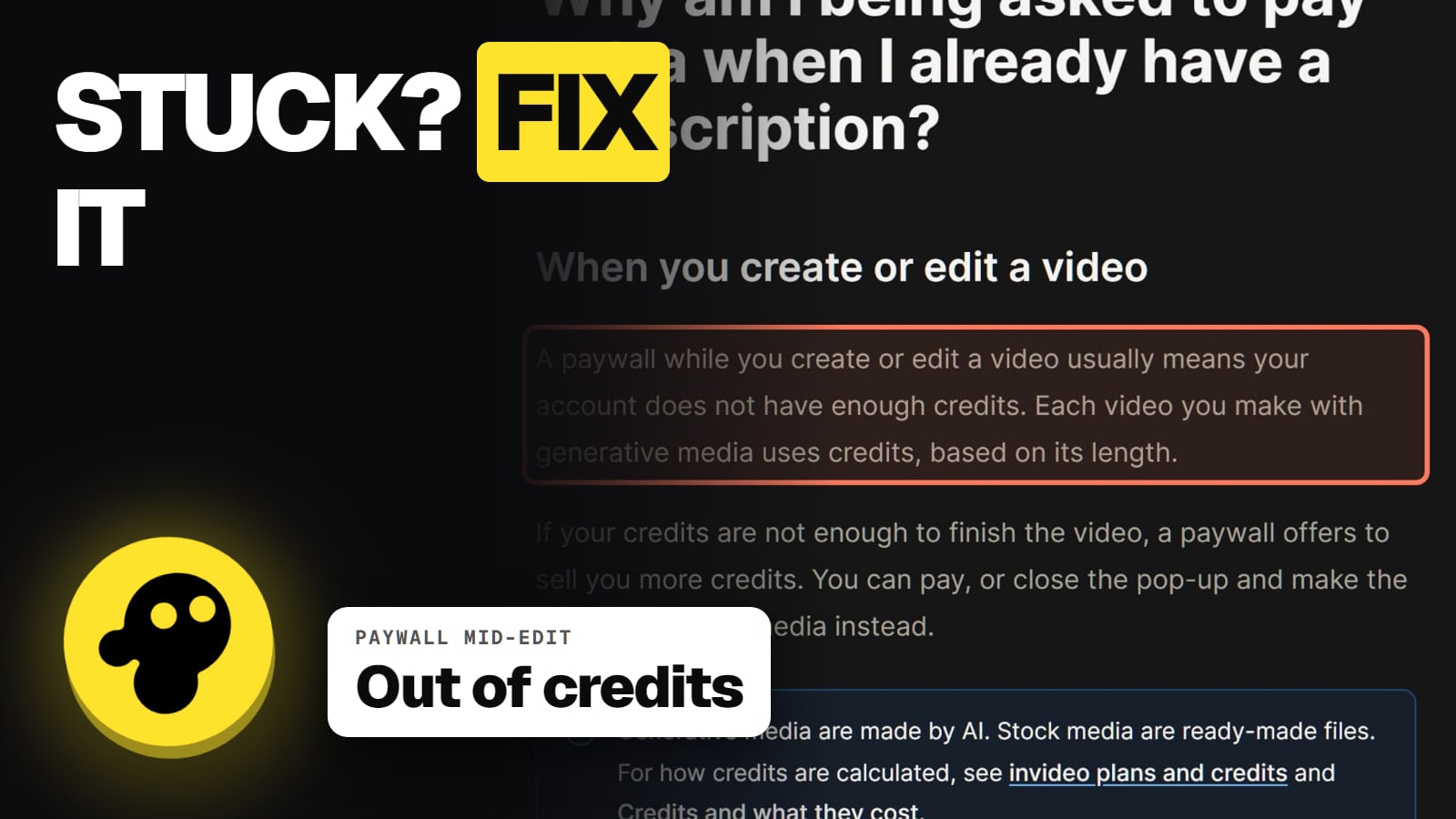
So one 20-second talking ad with a few product stills lands somewhere around 60 to 110 credits on paper, plus Agent Two's own work, which invideo says also uses credits, plus any retries. Ten hook variants is ten times that. Against the plans (Starter 400 credits a month, Plus 2,000, Max 5,000 per seat), that's a handful of ads on Starter and a real testing budget on Plus or Max. Our invideo pricing guide has every plan, and invideo credits explained shows where the rest goes.
What won't invideo's actors advertise?
A long list, and it matters more than the price if you sell in these categories. invideo's help center says its human avatar actors "do not create content" for these topics, "whatever the individual request or context":
Substances: cannabis and CBD or THC items, vapes, alcohol, tobacco and nicotine.
Adult: adult platforms, adult toys, provocative lingerie, intimate hygiene, sexual wellness supplements, and contraceptives the relevant authority hasn't approved.
Money risk: gambling, crypto exchanges, NFTs and mining, MLM schemes and unregulated investment pitches.
Politics, war and weapons: endorsements or criticism of candidates or parties, support for or opposition to any war, weapons and gun laws.
Religion and hate speech.
If your topic doesn't match an actor's preferences, invideo says a message appears instead of the video. Plan your test around this before you pay.
Can you use invideo UGC ads commercially?
Yes, per invideo. Its Terms of Service grant a "perpetual, irrevocable, worldwide, royalty-free" licence to commercialise outputs, and that survives cancelling. The terms also make you responsible for disclosing AI-generated content where law or industry standards require it, and each ad platform has its own rules on AI people in ads. Our invideo commercial use guide covers the licence and the stock-media catch.
What users complain about is cost, not rights. invideo's main Trustpilot profile, "Invideo Studio", scored 1.8 out of 5 from 1,030 reviews on November 13, 2026, and credits draining fast is the most common theme. invideo's fix is a setting: switch Agent Two from its default "Always allow" to Ask before generating videos, or set the workflow to check with you before it generates video.
invideo or Higgsfield for UGC ads?
Route by the job. invideo fits script-driven ads where you want the whole ad assembled, variants in parallel and team seats. Higgsfield fits shot-level work: directing one creator clip, product consistency per shot, and picking the model yourself. Our Higgsfield UGC ads guide shows that route, the best AI video generator for ads compares the field, and Shopify UGC video ads with AI covers the store side. For a head-to-head, see invideo vs Higgsfield; for avatar-first tools, invideo vs HeyGen.
Frequently asked
Does invideo AI make UGC ads?
Yes. invideo's UGC Ads page (read Nov 13, 2026) says its agent goes from a product link to a finished UGC ad, casting an AI creator and holding the product across shots. See invideo's plans.
Are invideo's UGC actors real people?
No. invideo's help center says its virtual actors "are AI-generated. They are not based on real people." You can also use your own AI twin, made with your recorded consent.
How much does an invideo UGC ad cost?
invideo doesn't publish a per-ad price. Its avatar models cost about 2.2 to 4.5 credits a second, so a 20-second talking ad is roughly 44 to 90 credits before stills, voice, agent work and retries (our arithmetic from invideo's pages, Nov 13, 2026).
What products can't I advertise with invideo's actors?
invideo lists alcohol, tobacco, nicotine, cannabis, gambling, crypto and NFTs, MLM, adult products and services, political content, war, weapons and religion, among others.
Does invideo run or pay for my ads?
No. invideo's docs say the agent "never switches an ad on or spends ad budget." You upload the ad to the ad platform yourself.
Can I put a celebrity in an invideo ad?
No. invideo requires explicit consent from the person in the recording, so it rules out cloning celebrities or politicians.